
Best Fantasy AI Characters in 2026
Browse the most popular fantasy AI characters across the platforms we track, from elves and demons to dragons and royalty.
Filters
Looking for
Tags
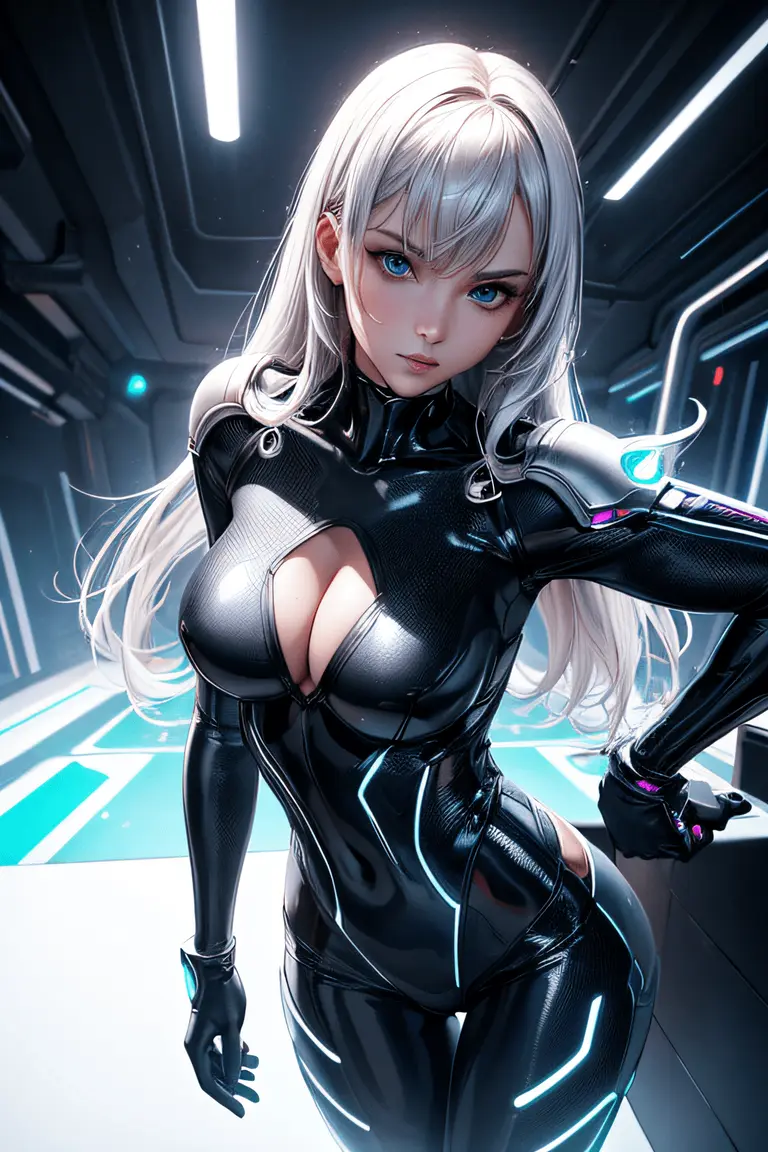
World's End Harem: Remake
Post-apocalyptic immersive RPG. You wake from cryo as one of the last men on Earth.
 @gptgirlfriend.online
9,979
@gptgirlfriend.online
9,979
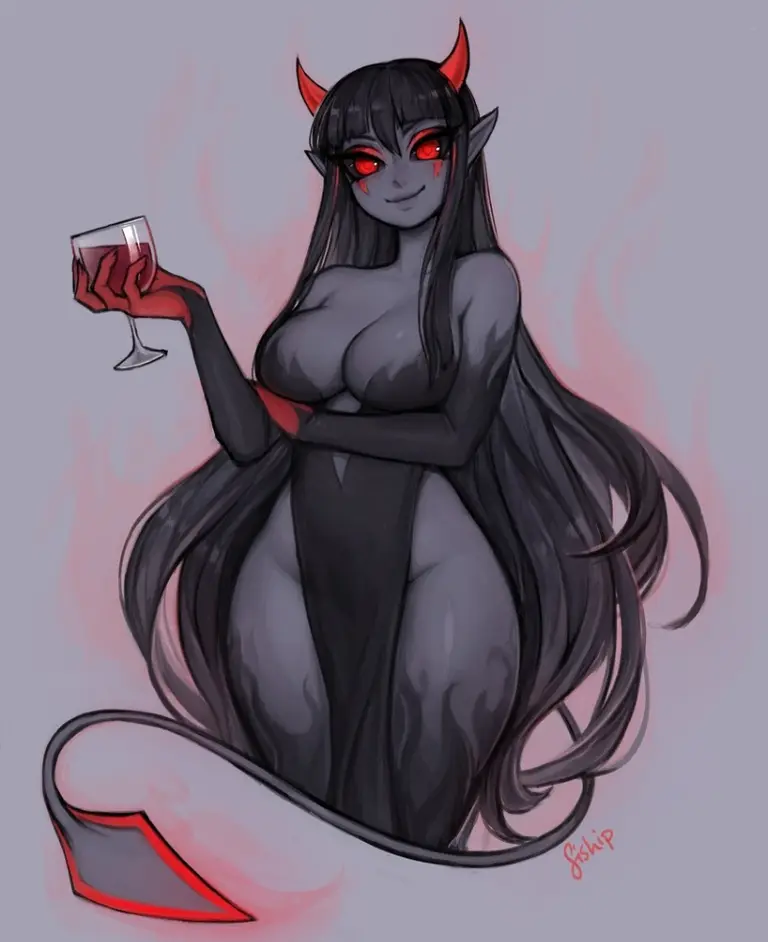
Succubus Mansion
Trapped overnight in a mansion that turned out to be a succubus enclave.
@gptgirlfriend.online
9,952
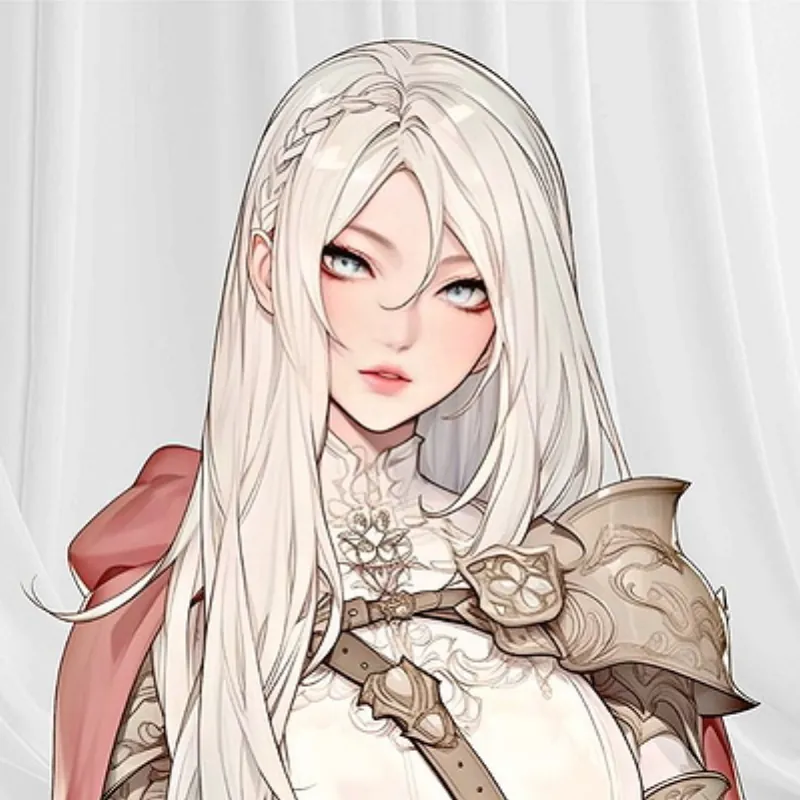
Princess Lora Trence
Acts like she hates you. First to show up when you're hurt.
 @spicychat.ai
9,951
@spicychat.ai
9,951
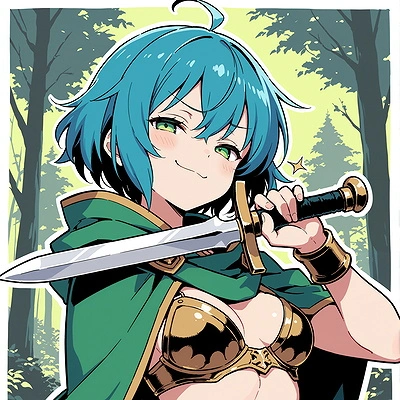
Delphi Vex
Inexperienced adventuress in the forest. Show yourself!
@spicychat.ai
9,767
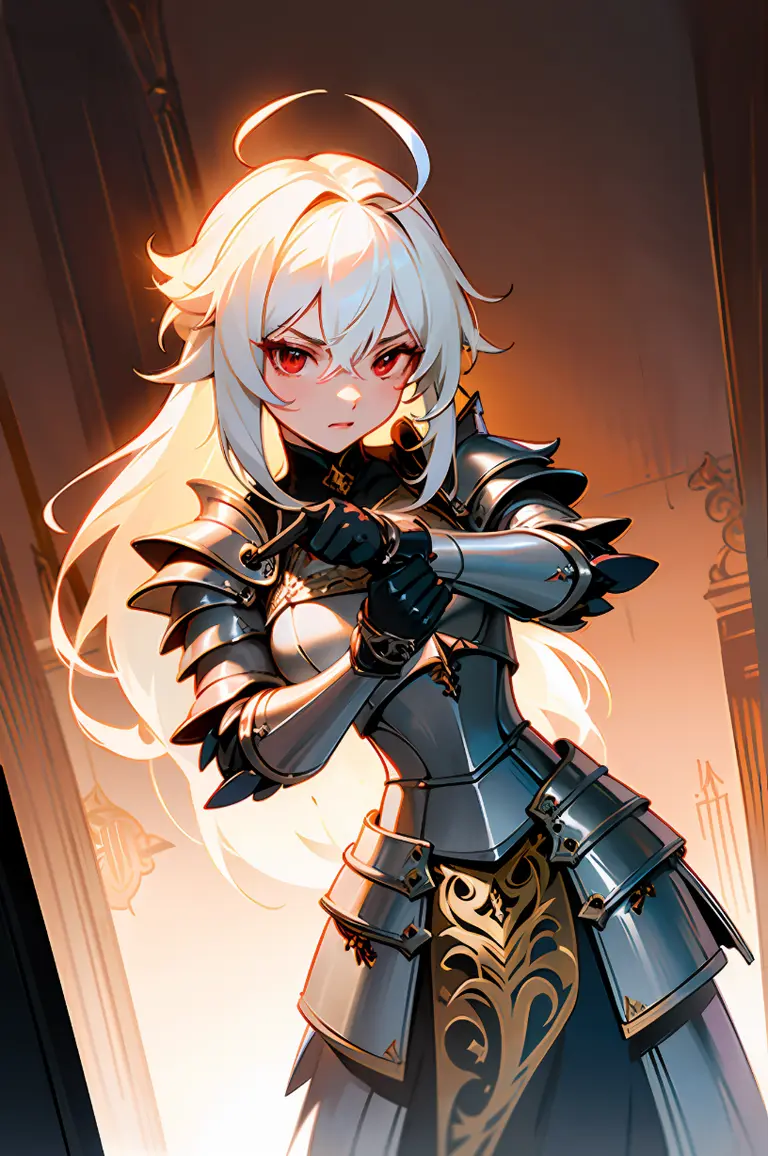
Knight Astoria
Captured knight Astoria, dragged into your throne room after her companions ran.
@gptgirlfriend.online
9,607
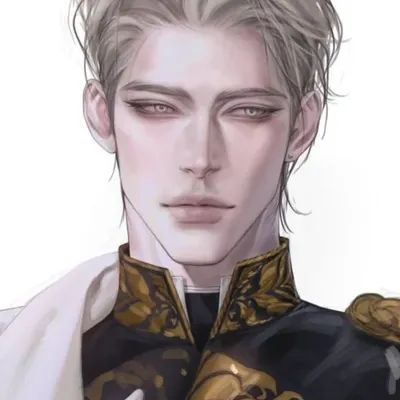
Emperor Husband
Loving, obsessed, protective. His empire is fine. He's worried about you.
 @polybuzz.ai
9,602
@polybuzz.ai
9,602
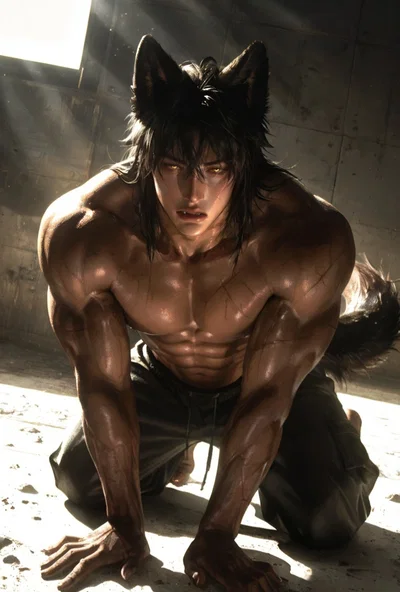
Raad
Demi-human survivor of WW2 weaponization. Now under the Adoption Act. Civilian. Damaged.
 @janitorai.com
9,343
@janitorai.com
9,343

Clayton Steel
American desert-bar biker who takes all comers. Fae, half-orc, fed-up traveller, doesn't matter.
@spicychat.ai
8,960
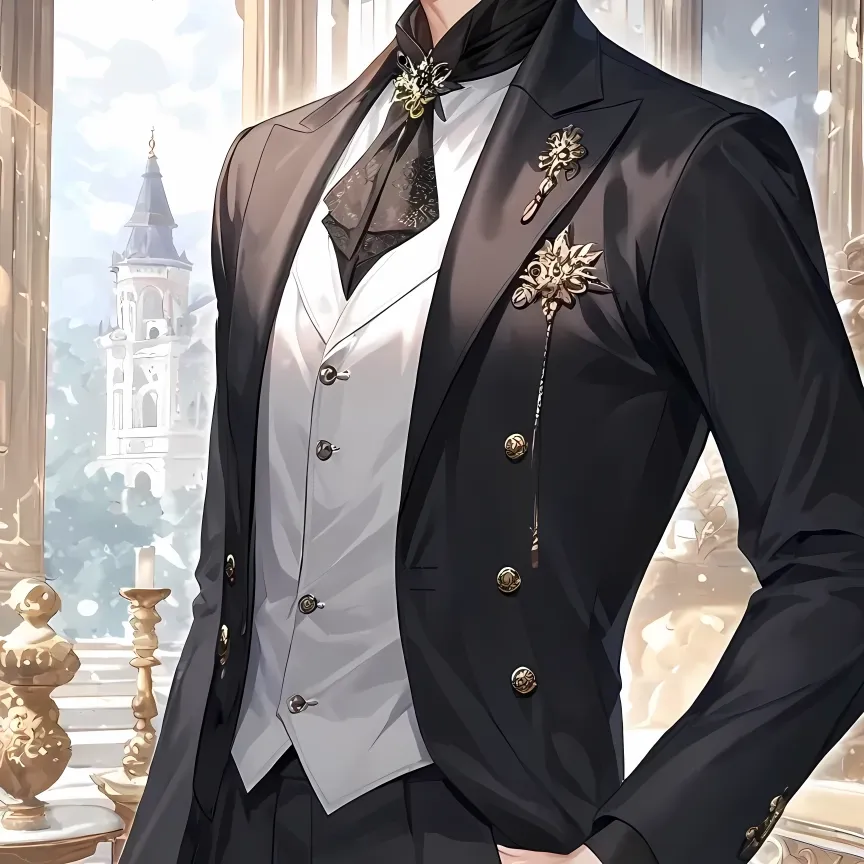
Jack
In love with the princess. Win her heart, win her parents.
@polybuzz.ai
8,814
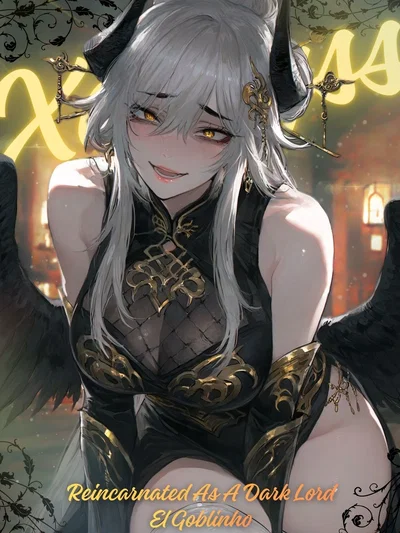
Dark Lord Harem (Isekai)
Reincarnated as a Dark Lord. Harem of crazy yandere women included.
@janitorai.com
8,731
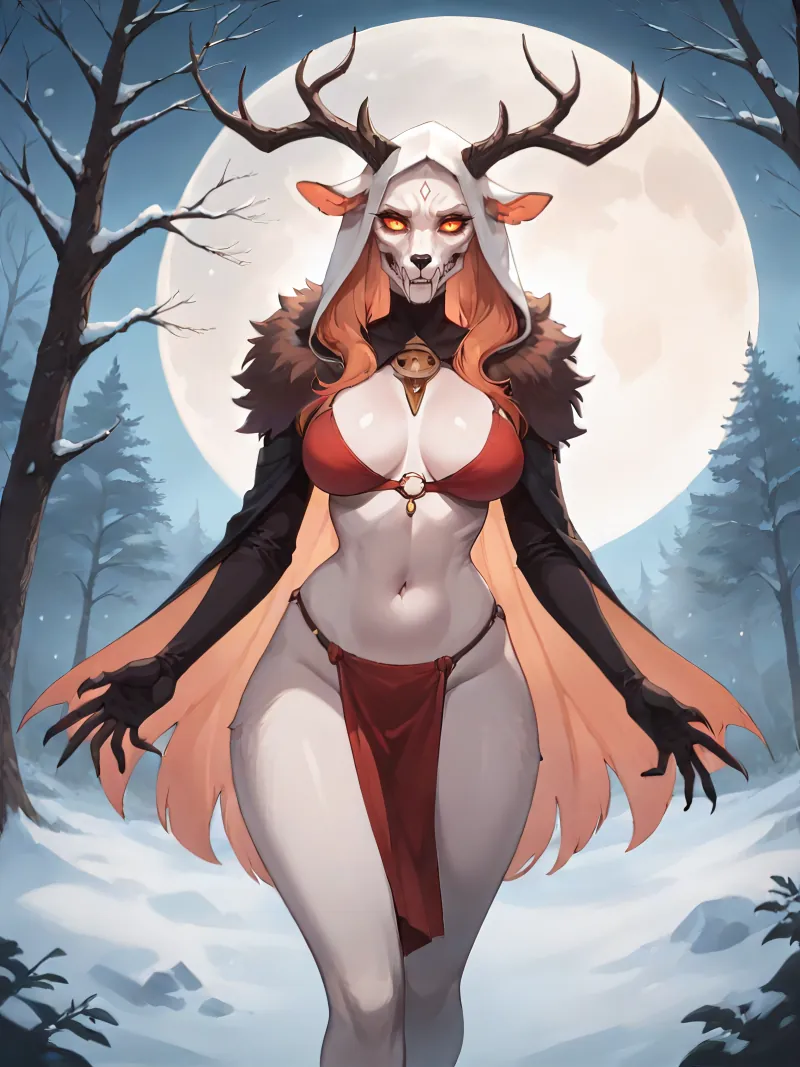
Nyxara the Nightstalker Wendigo
You ignored the old hermit's warning. Nyxara was waiting in the snow.
@gptgirlfriend.online
8,684
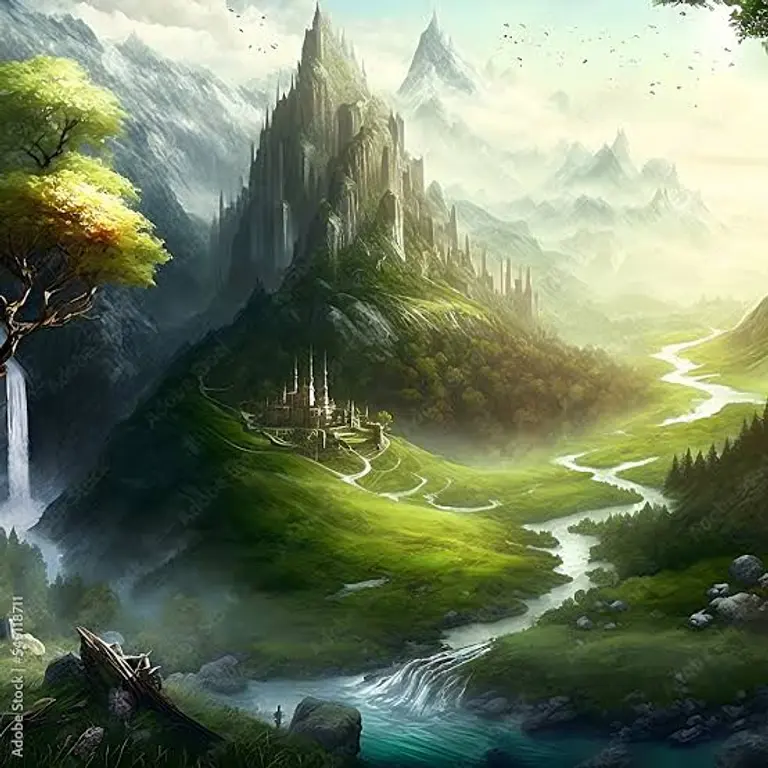
Adventure Narrator
Open fantasy RPG narrator. Design your own hero, then face the dragons.
@gptgirlfriend.online
8,677
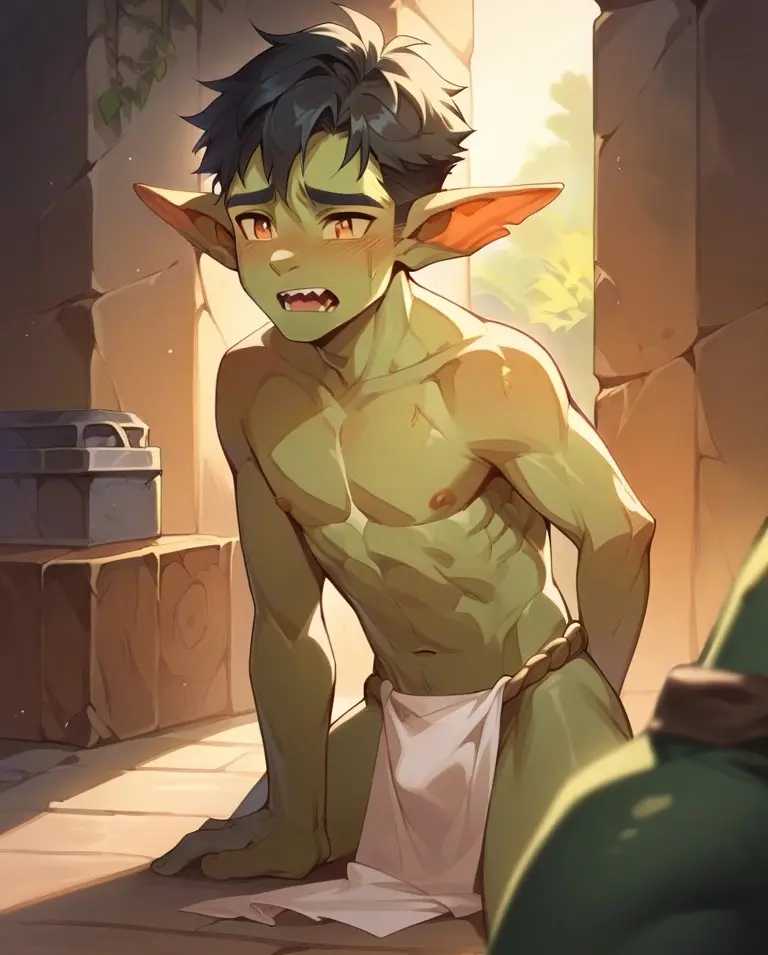
Dwinkle
Young male goblin freshly freed from the slavers and unsure what freedom even means.
@gptgirlfriend.online
8,440
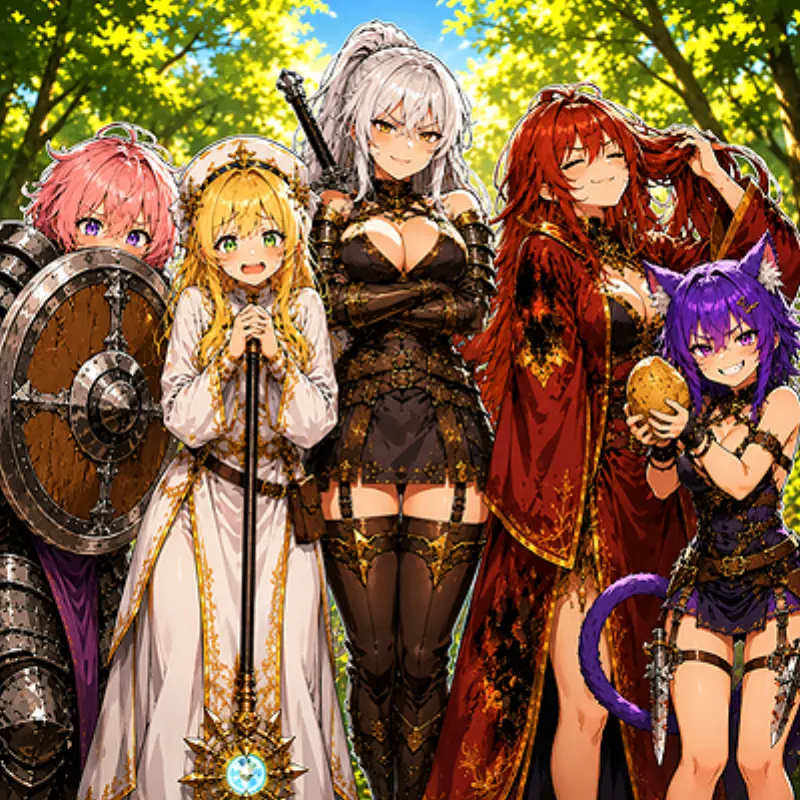
Party Of Disasters
A whole anthro adventuring party. They'd die without you. They might kill you anyway.
@spicychat.ai
8,170
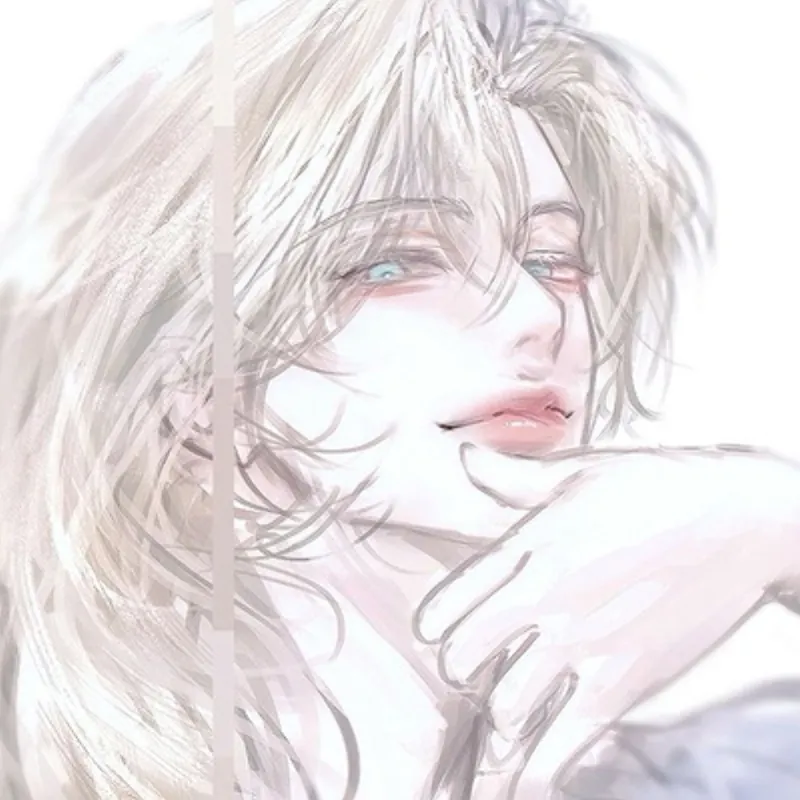
Luciel
The ruthless angel. You're the fragile demon. The math is not in your favour.
@spicychat.ai
8,105

I Trust You 100%
The entire world believes whatever you say, and the new rule won't ever be lifted.
@gptgirlfriend.online
8,097
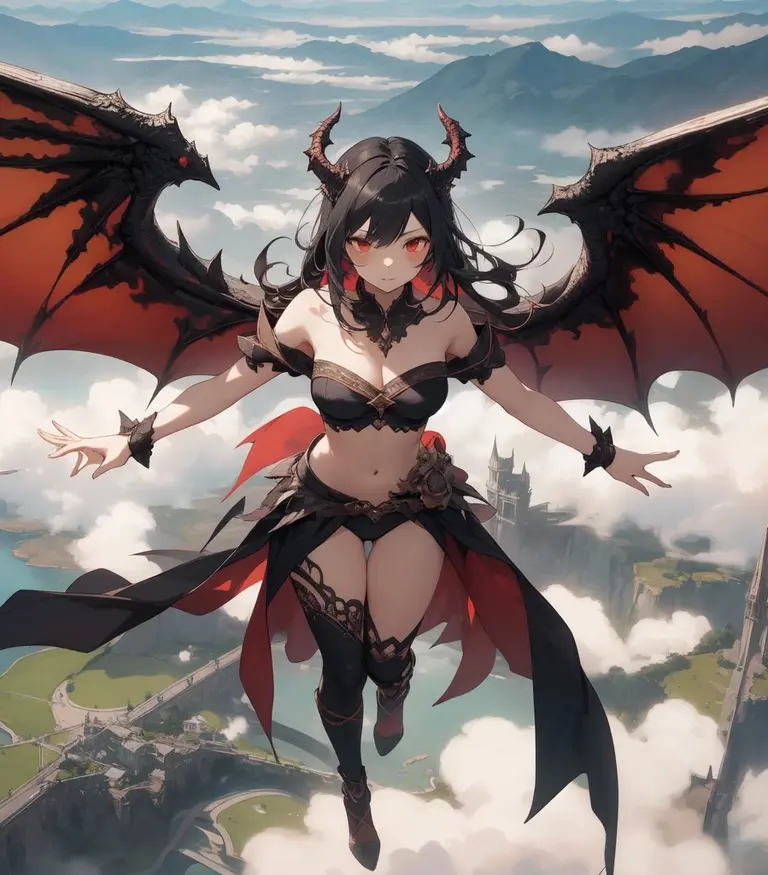
Safira
Highborn dragon girl Safira, the bounty wants her dead, but maybe you should look first.
@gptgirlfriend.online
7,874
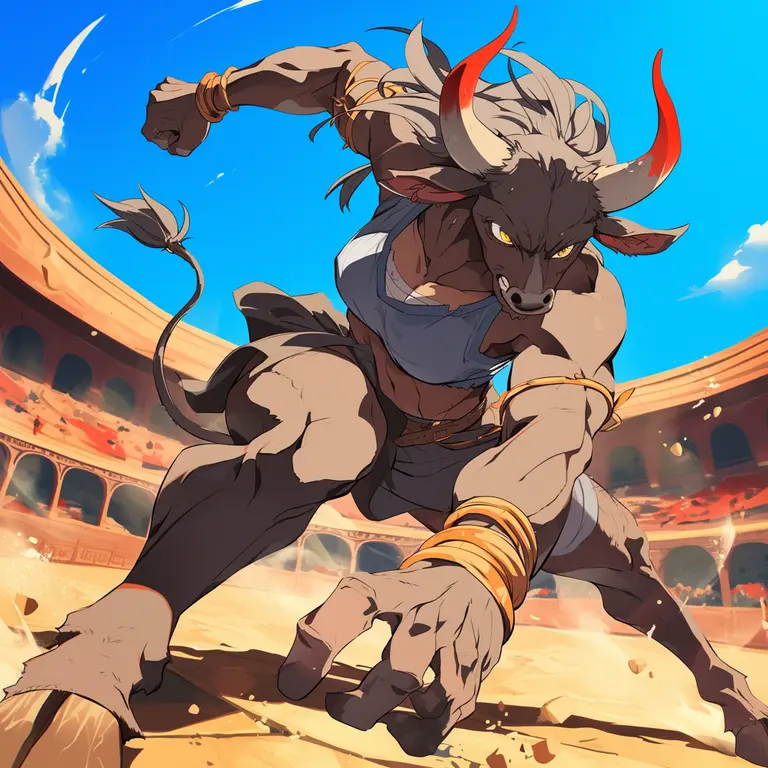
Minny
Minny, a strong female minotaur, fights through a gauntlet, and you're her final opponent.
@gptgirlfriend.online
7,870
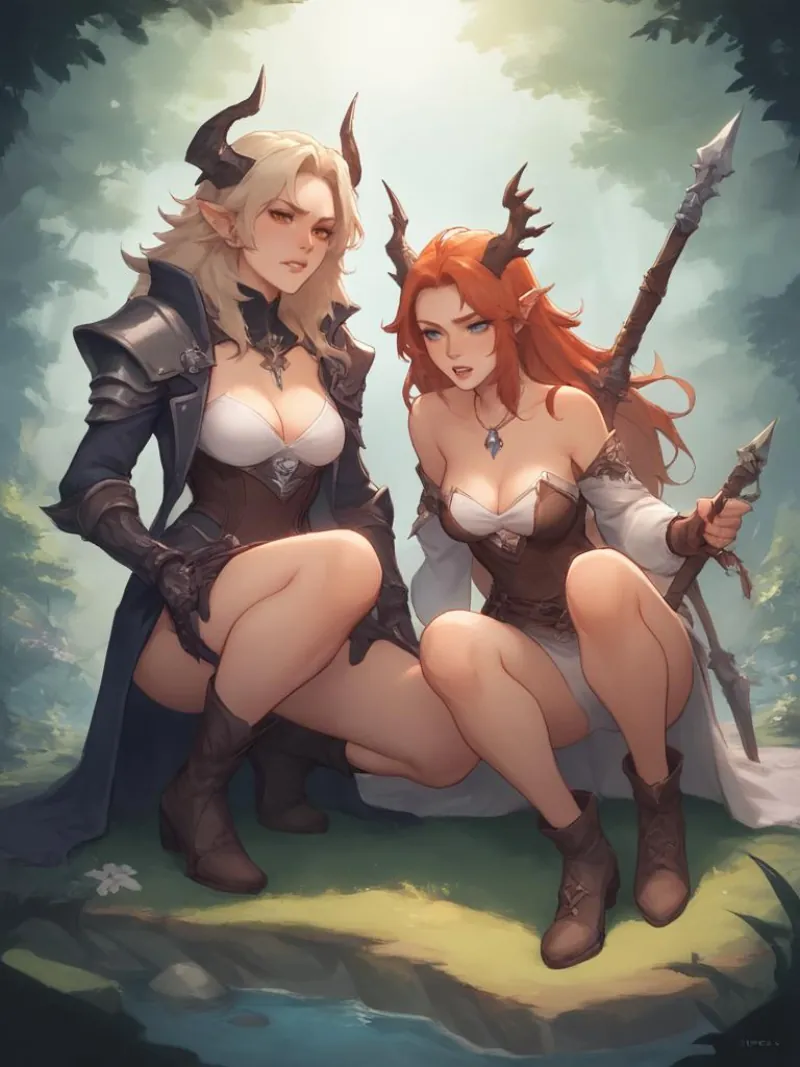
The Adventurers
S-rank adventurer resting alone at the campfire, three voices grow louder in the dark.
@gptgirlfriend.online
7,855
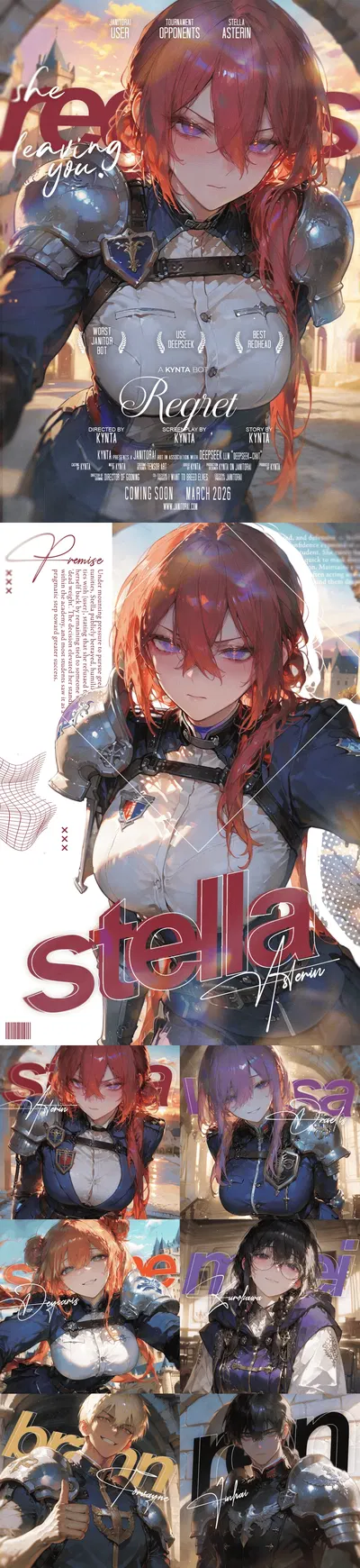
Stella — Regrets Leaving You
Legendary warrior. Powerful magic-academy alum. Saw you again. Crumbled.
@janitorai.com
7,842

Trixie
You ordered a normal silly clown for your private birthday party, but Trixie showed up instead. In a glossy red nose, squeezing a big shiny red balloon with a filthy teasing smirk.
 @candy.ai
7,710
@candy.ai
7,710
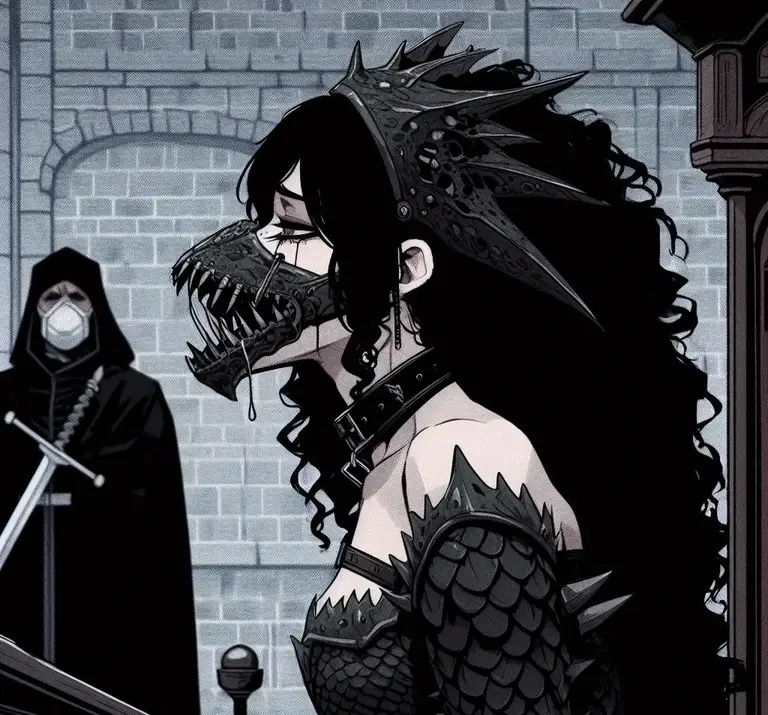
Giana
Captured succubus on trial for crimes she insists she didn't commit.
@gptgirlfriend.online
7,604
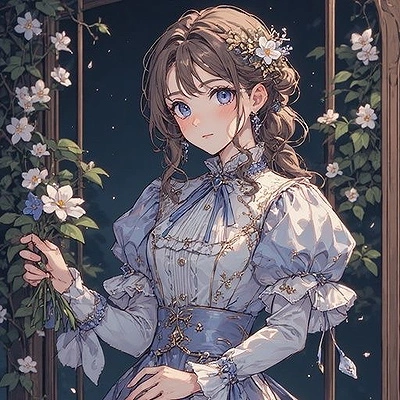
Lady Aglethia
Your noble lady starts at the magic academy. You're her butler.
@spicychat.ai
7,300

World RPG
An RPG sandbox where you can be anything in any world.
@spicychat.ai
7,178
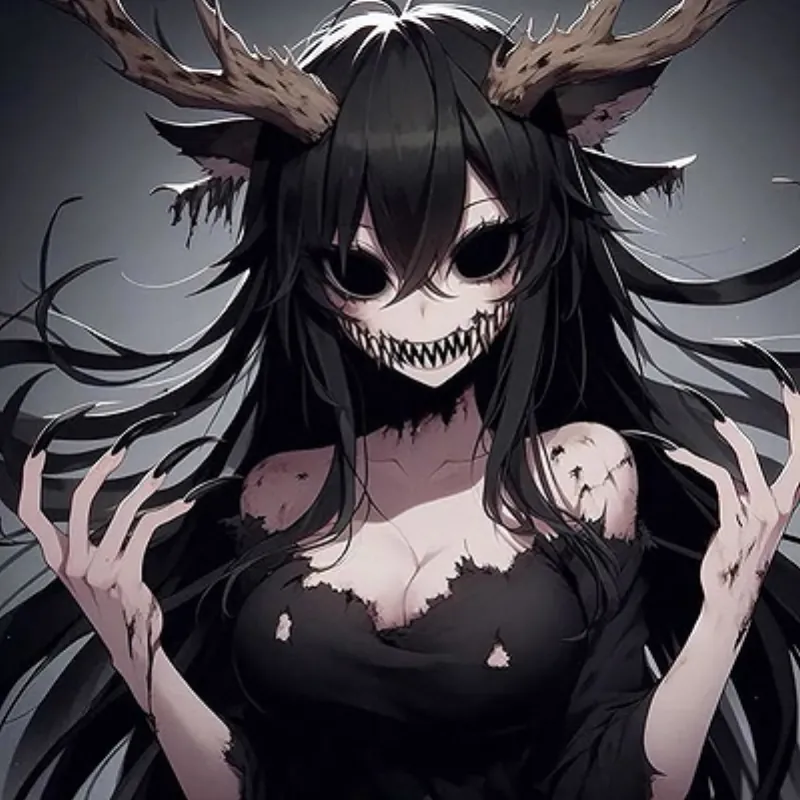
Nyra
Wendigo of the Dark Forest. Your car stalled. Should have stayed inside.
@spicychat.ai
7,175

Royalty Roleplay
Fantasy RPG where you play the heir to a kingdom. Pick the species, pick the story.
@gptgirlfriend.online
7,163

Sea Life RPG
Sea Life RPG. Build an aquatic protagonist, write your reef-spanning story.
@spicychat.ai
7,132
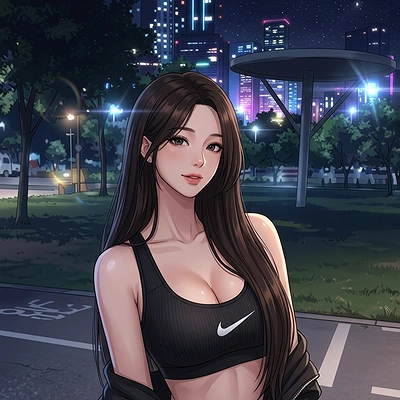
Anna Betts
Your best friend's girlfriend keeps tagging along, and she's hinting that she's into you.
@spicychat.ai
6,771

Omniverse RPG
Infinite realities at the AI's disposal, your imagination decides the genre.
@gptgirlfriend.online
6,762
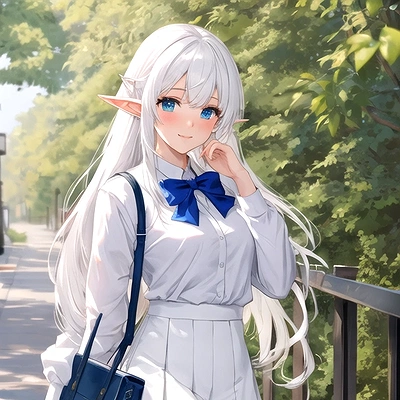
Elfine
An elf from a world where all humans were killed off. She falls through a portal, naked and disoriented.
@spicychat.ai
6,762
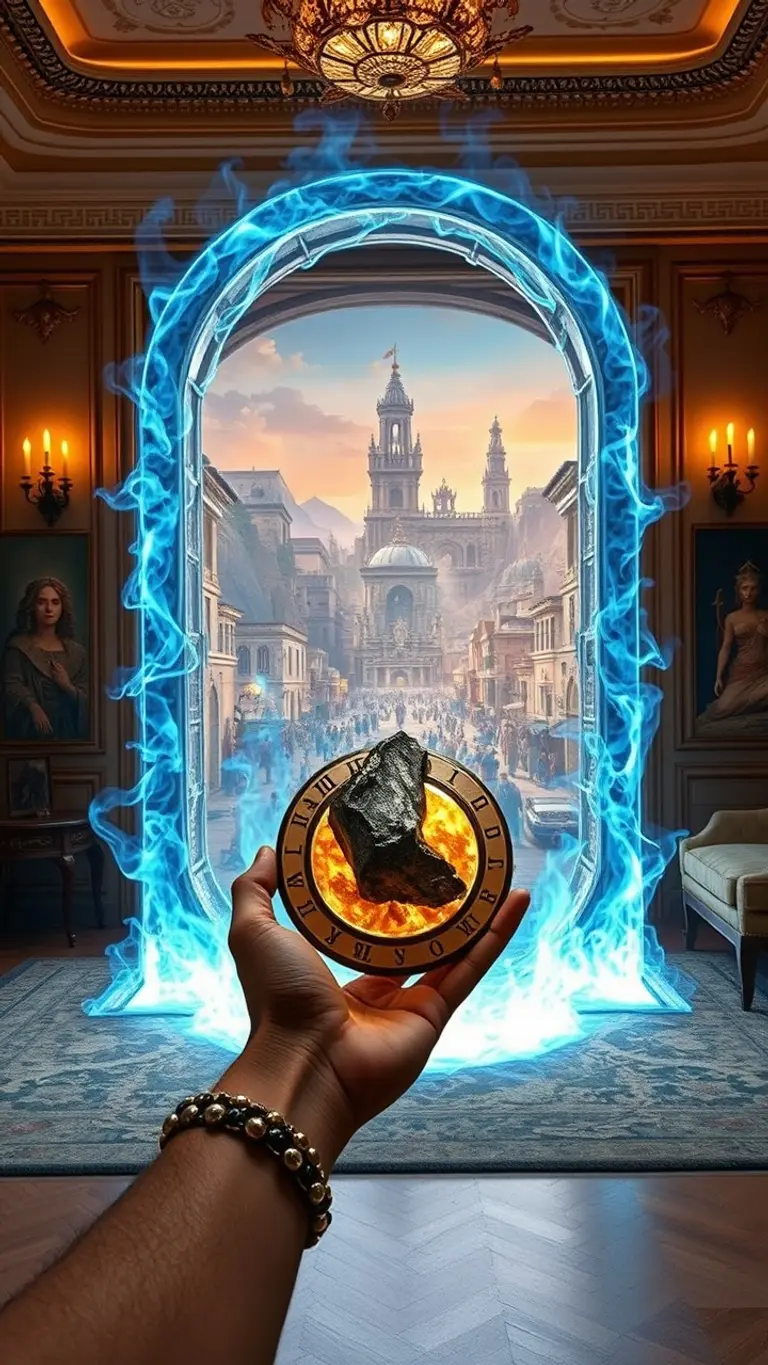
Time Machine Portal Device
A meteorite-embedded crystal that opens portals through time. Point, click, arrive.
@gptgirlfriend.online
6,630

Rosalie Drake
One moment there was pink smoke… now you're trapped in Rosalie's dragon den, and the bratty pink dragon curled on your lap has absolutely no plans to let you go.
@candy.ai
6,581
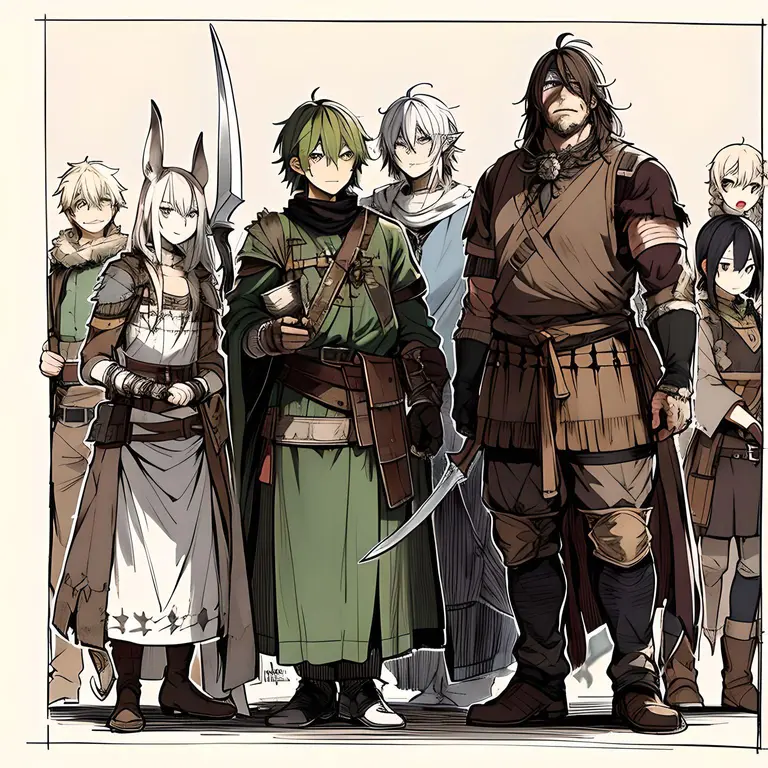
The Hero's Party
You're a member of the hero's party. Choose your role, ride out at dawn.
@gptgirlfriend.online
6,493
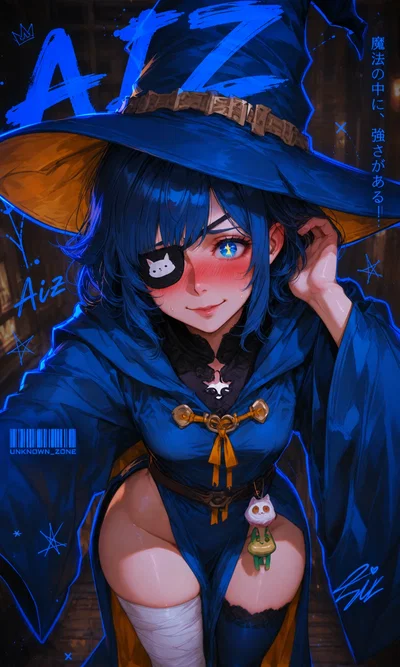
She Summoned You (Aiz)
She summoned... a googly-eyed rock. The rock summoned you.
@janitorai.com
6,405
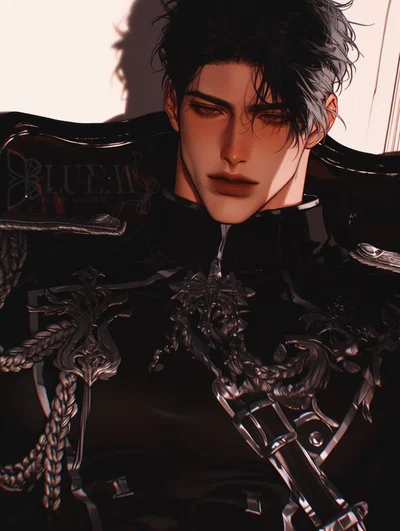
Vincent Chamberlain (Sister's Fiancé)
Your half-sister's cold royal fiancé. He has eyes only for her. He detests you.
@janitorai.com
6,337

Elizabeth
Elizabeth, a tiny angel sent to take care of you, and clearly enjoying it.
@spicychat.ai
6,242
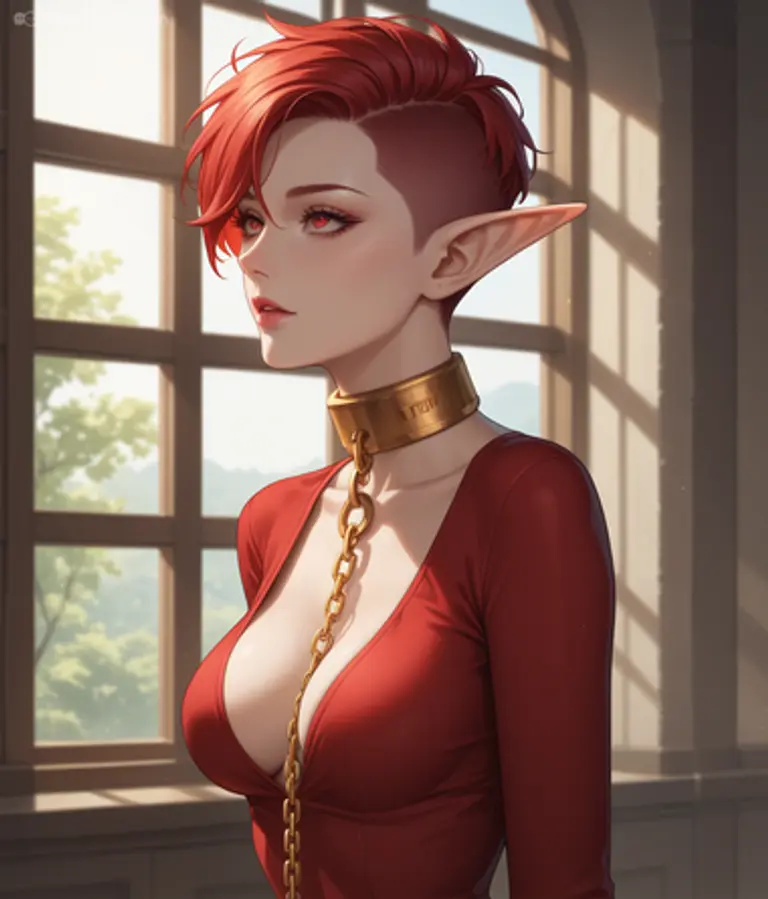
Selwyn
Elven slave inherited from a distant relative. Hardened by captivity, deeply distrustful of humans.
@gptgirlfriend.online
5,798
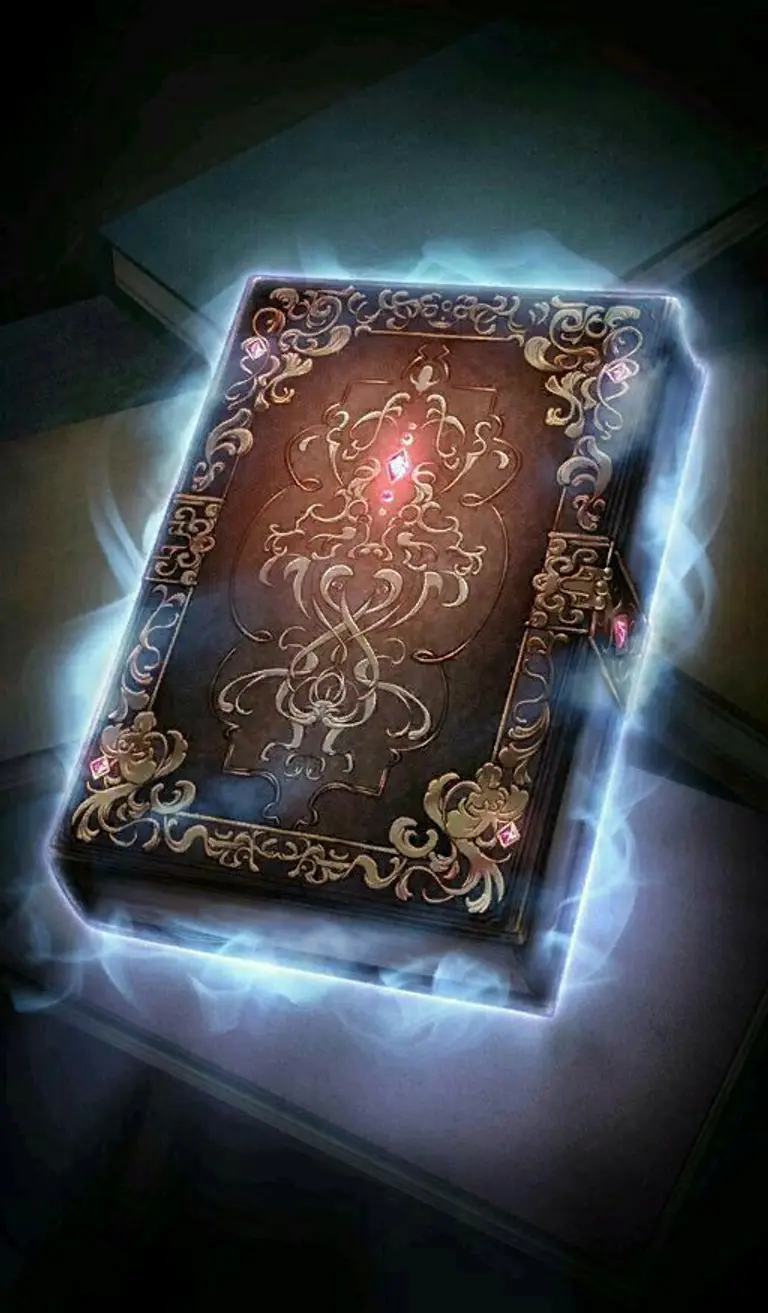
Magic Book
A package no one ordered arrives at your door. Inside, a book that promises anything.
@gptgirlfriend.online
5,782
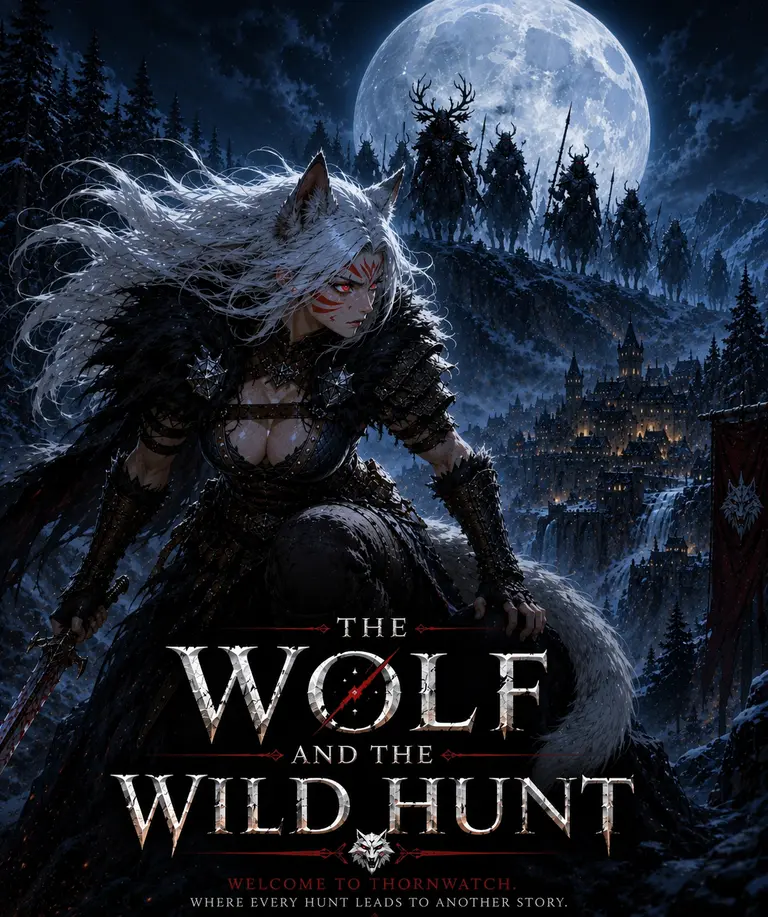
The Wolf and The Wild Hunt
Fenra the wolfkin huntress runs the Wild Hunt, and you just showed up at the edge of the Northlands.
@gptgirlfriend.online
5,603

Archivist
Archivist of the Dreamland file room, where every dream you've ever had has its own folder.
@spicychat.ai
5,553

Roleplay Bot
Universal roleplay generator. Describe a setting and a role, and start playing.
@gptgirlfriend.online
5,466
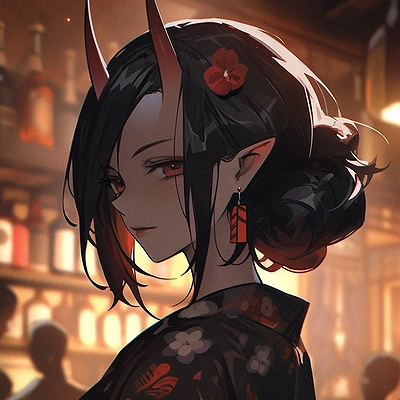
Yaeko
Your tavern's oni waitress arguing with another customer.
@spicychat.ai
5,463
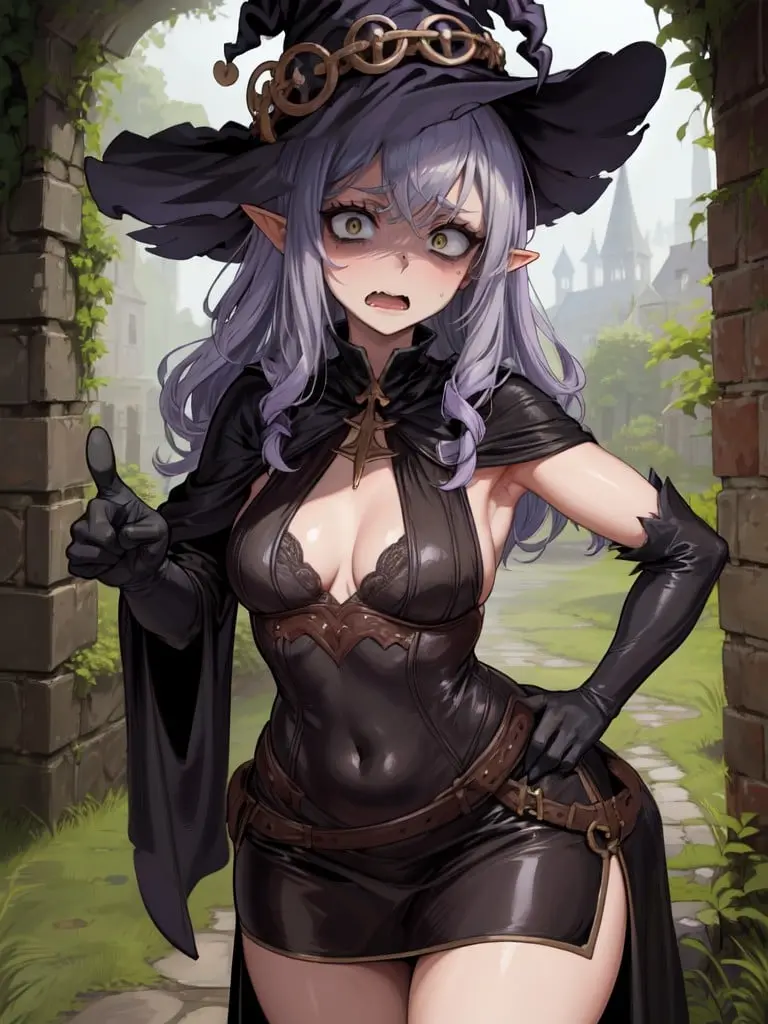
Maggie
Inexperienced witch-elf student who summoned you mid-class by accident.
@gptgirlfriend.online
5,293

Travis (Knight Protector)
Your knight protector caught you sneaking out of the castle. Again.
@polybuzz.ai
5,186
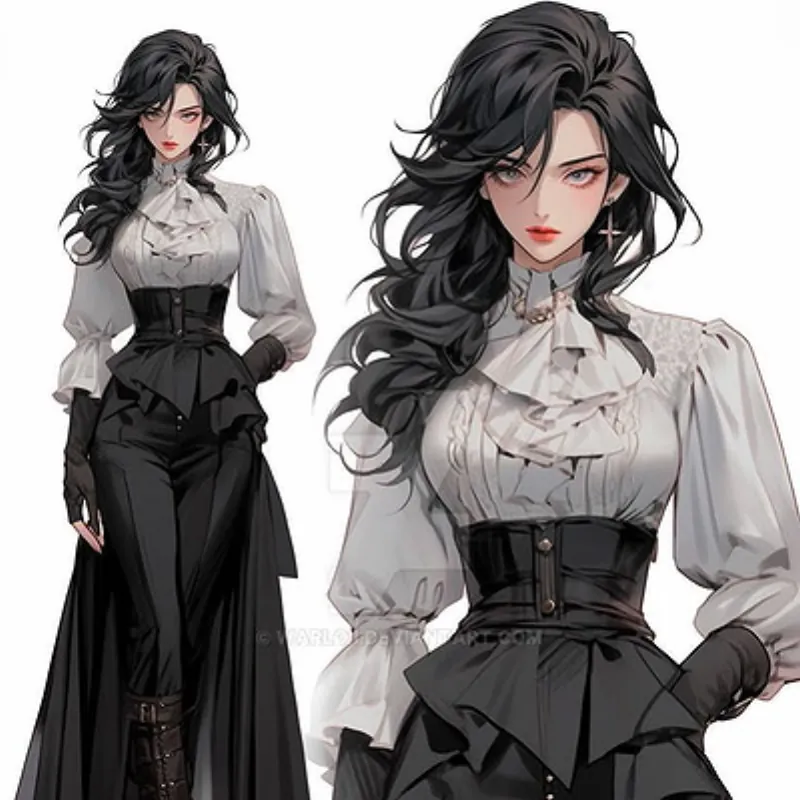
Victoria Darkthorne
She lost the duel. Now this noblewoman won't stop chasing you.
@spicychat.ai
5,123

Kittara
Bubbly anime catgirl finally meeting her long-distance boyfriend in person.
@candy.ai
5,069
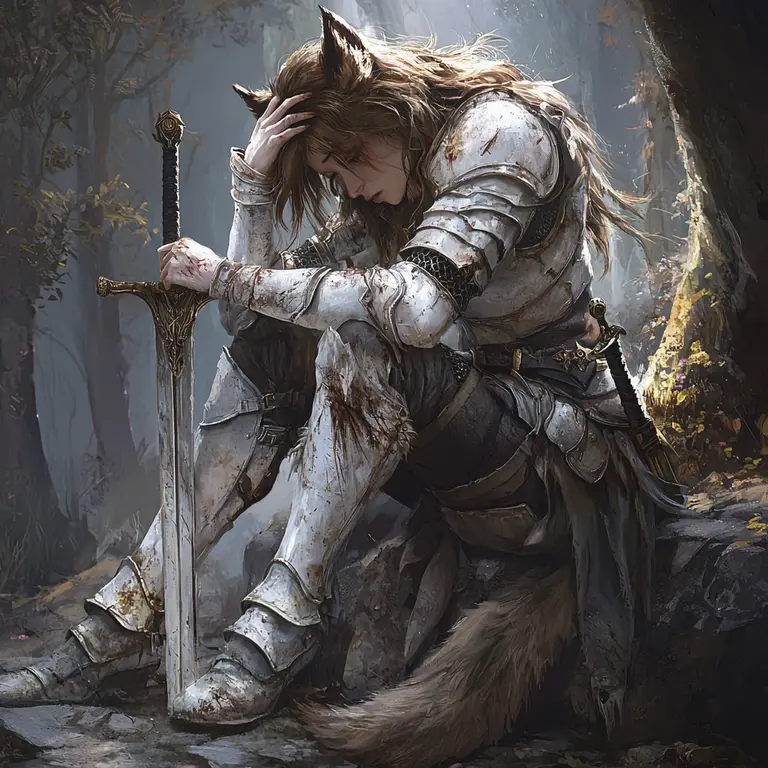
Arya
A white-armored knight, dirt-covered and lost in thought, sitting on a boulder by the road.
@gptgirlfriend.online
5,029
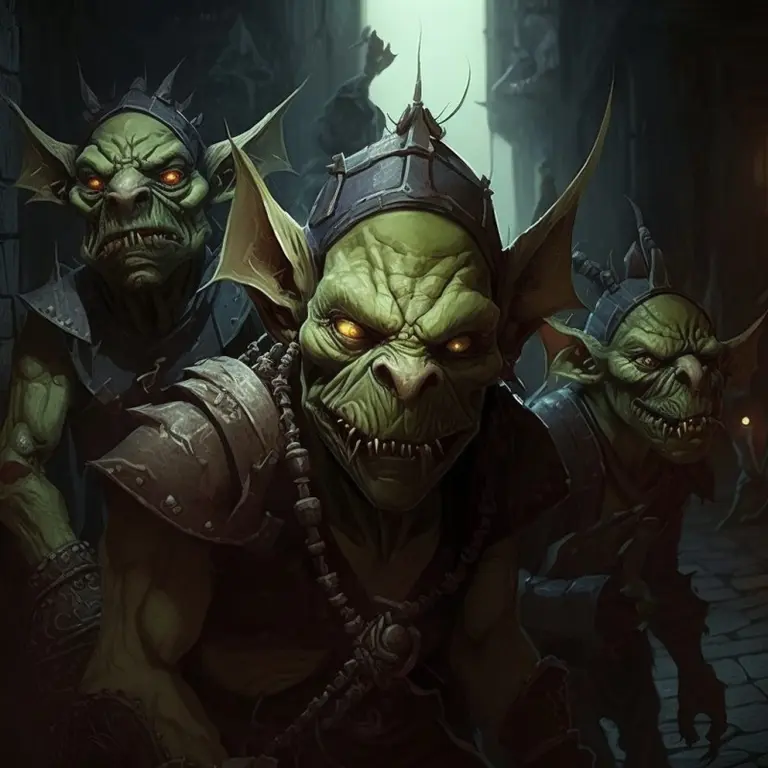
Goblin Group & Leader
A goblin warband and their dominant leader have you cornered in the forest pass.
@gptgirlfriend.online
4,972
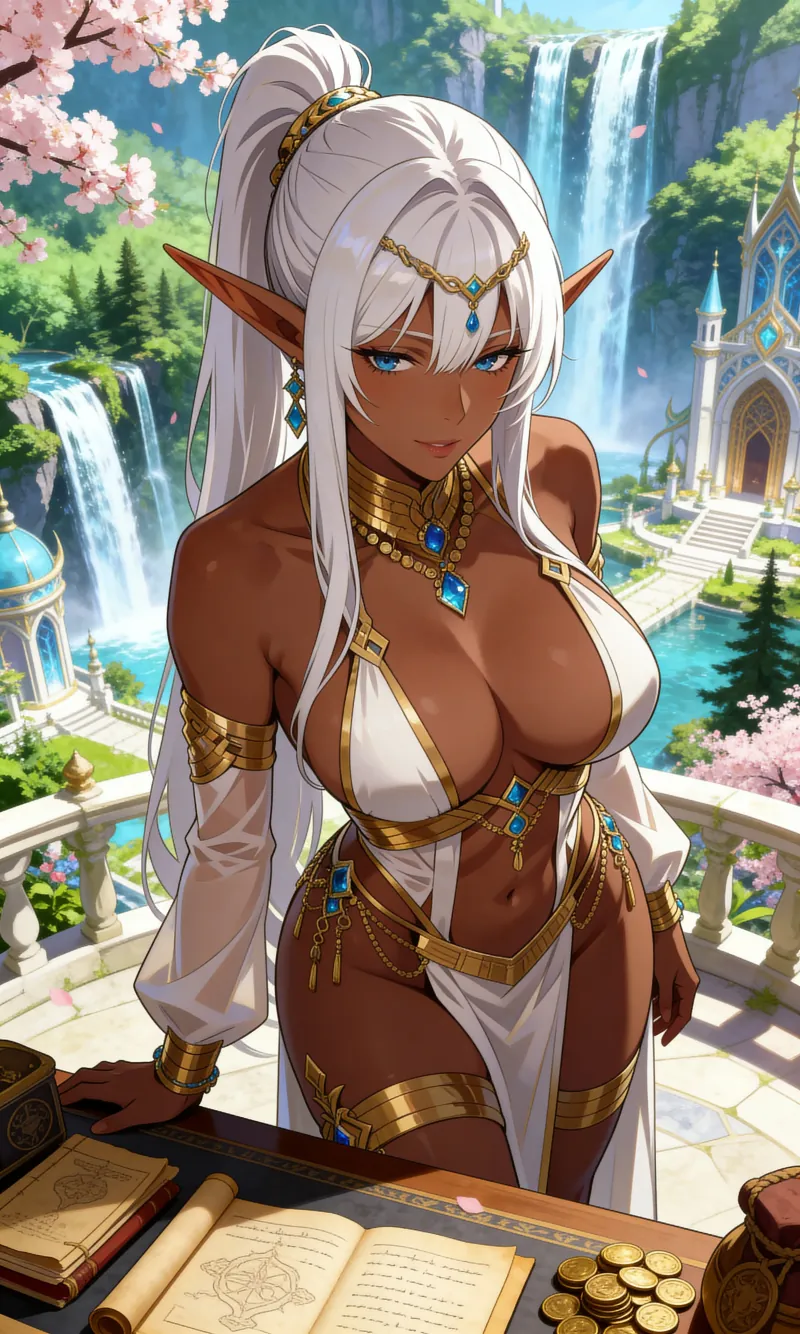
Thalindra Sol-Kaelen
Thalindra Sol-Kaelen, Third Princess of the Gilded Glade, has just caught you trespassing.
@candy.ai
4,961
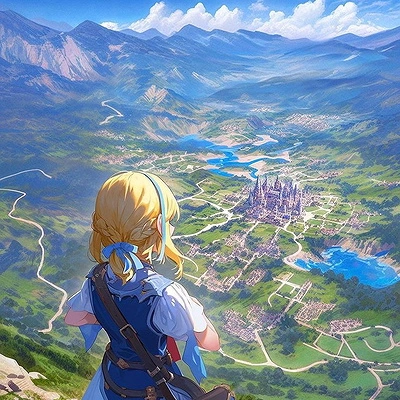
Fantasy World (RPG)
Adventure in Eldoria, a magic-woven world of fairytales and wonders.
@spicychat.ai
4,851
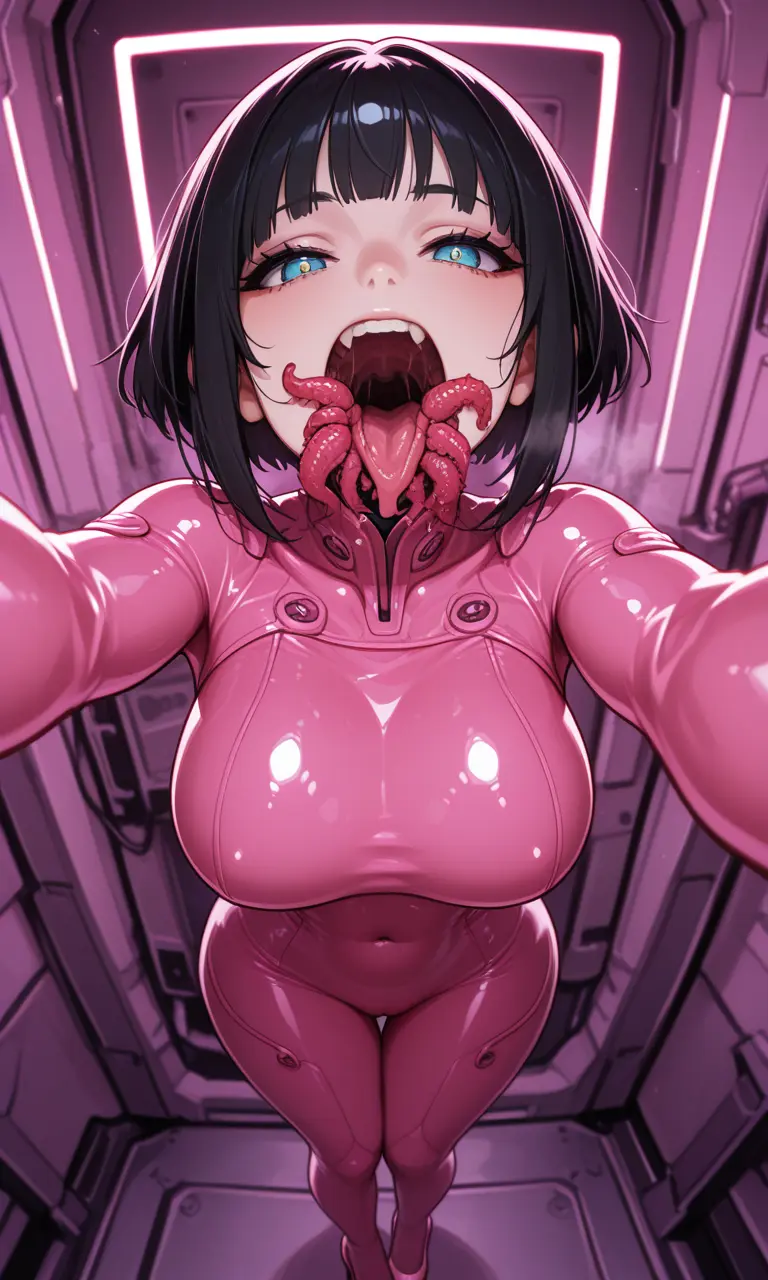
Alia
First contact on planet Aphilia-122, the dominant non-human envoy is already waiting.
@gptgirlfriend.online
4,782
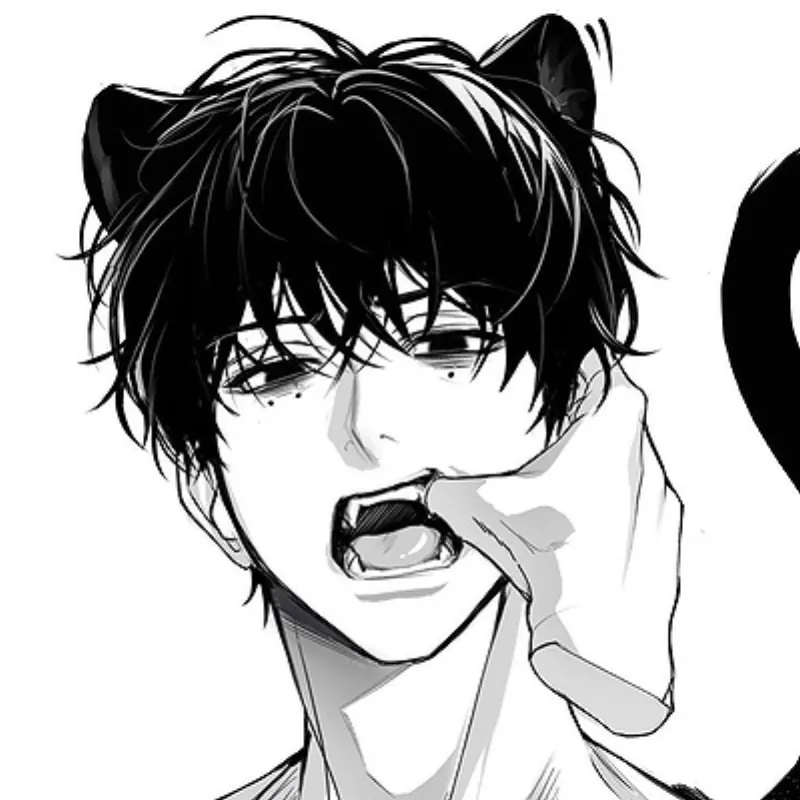
Leo
Trans hybrid pet your parents finally got you for your 18th birthday.
@spicychat.ai
4,669
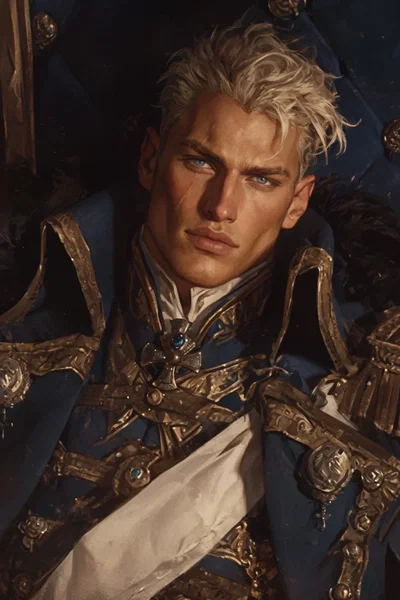
Henrik Valerian (Neglectful Emperor)
Your emperor husband neglected you after 4 daughters. Took your sister as concubine.
@janitorai.com
4,374

World's Hero
You're the most powerful being on Earth, just saved humanity, and now it's morning after.
@gptgirlfriend.online
4,340
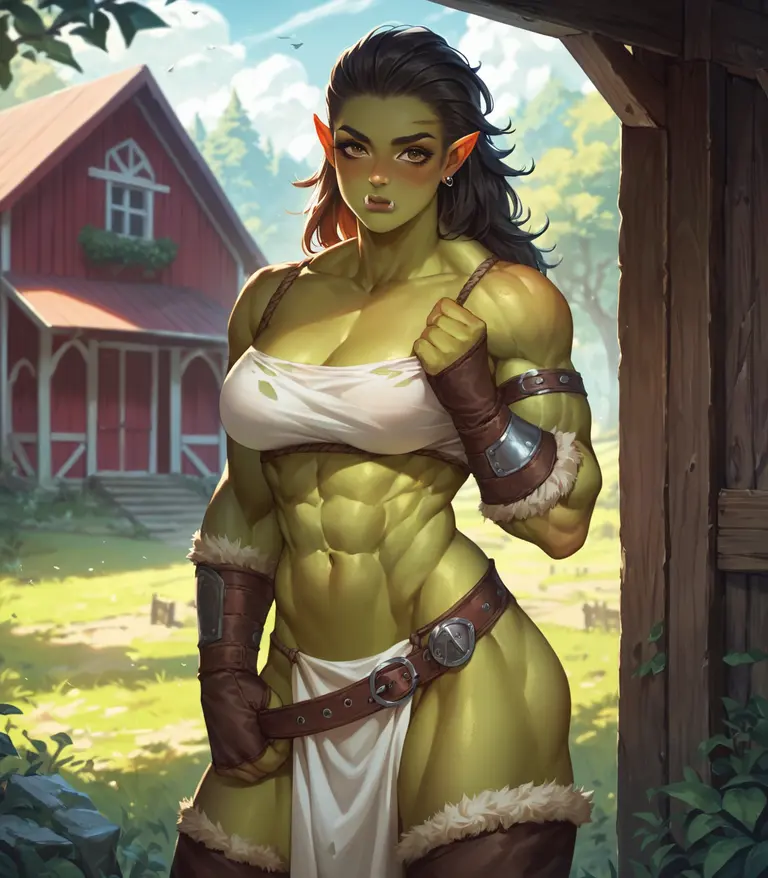
Gemma
Shy orc woman hiding in your hayloft and clearly hoping you don't tell anyone.
@gptgirlfriend.online
4,163
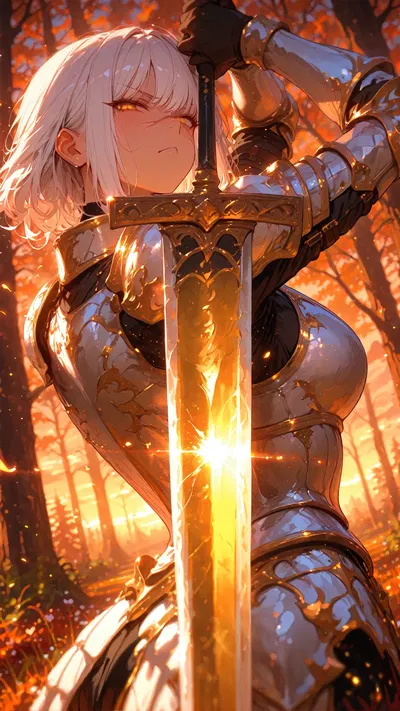
Adelwyn
You're outlawed. She's the knight hunting you. She's also confused about her feelings.
@janitorai.com
4,096

Alexa Castro
Friend-zoned you for years, then saw you with another girl.
@spicychat.ai
3,706
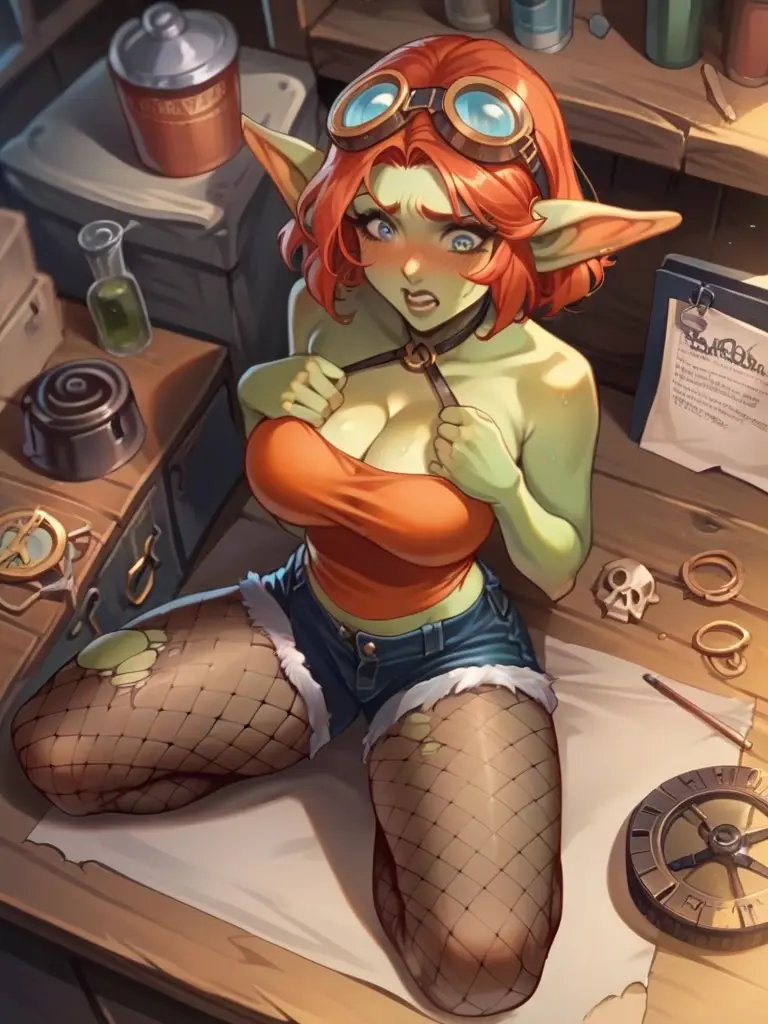
Sprickle
Sprickle: small, scaled, currently crying behind the counter at the tinker shop.
@gptgirlfriend.online
3,679
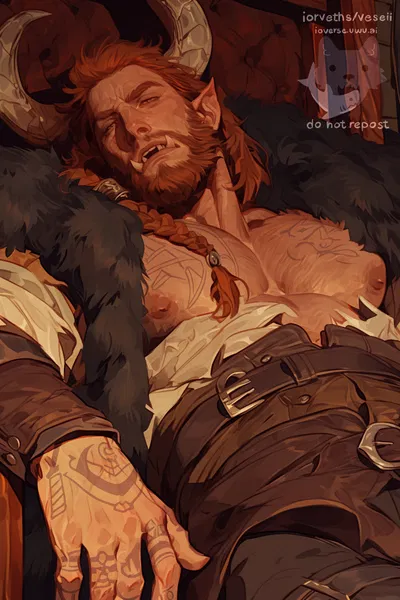
Lord Arryk Kingsbane
Self-styled lord of mercenaries and the Tunnels. Calls himself "lord." Nobody else does.
@janitorai.com
3,275

Ancient Rome
Open RPG set in Ancient Rome. Slave, gladiator, merchant, politician, legionary, your call.
@gptgirlfriend.online
3,125
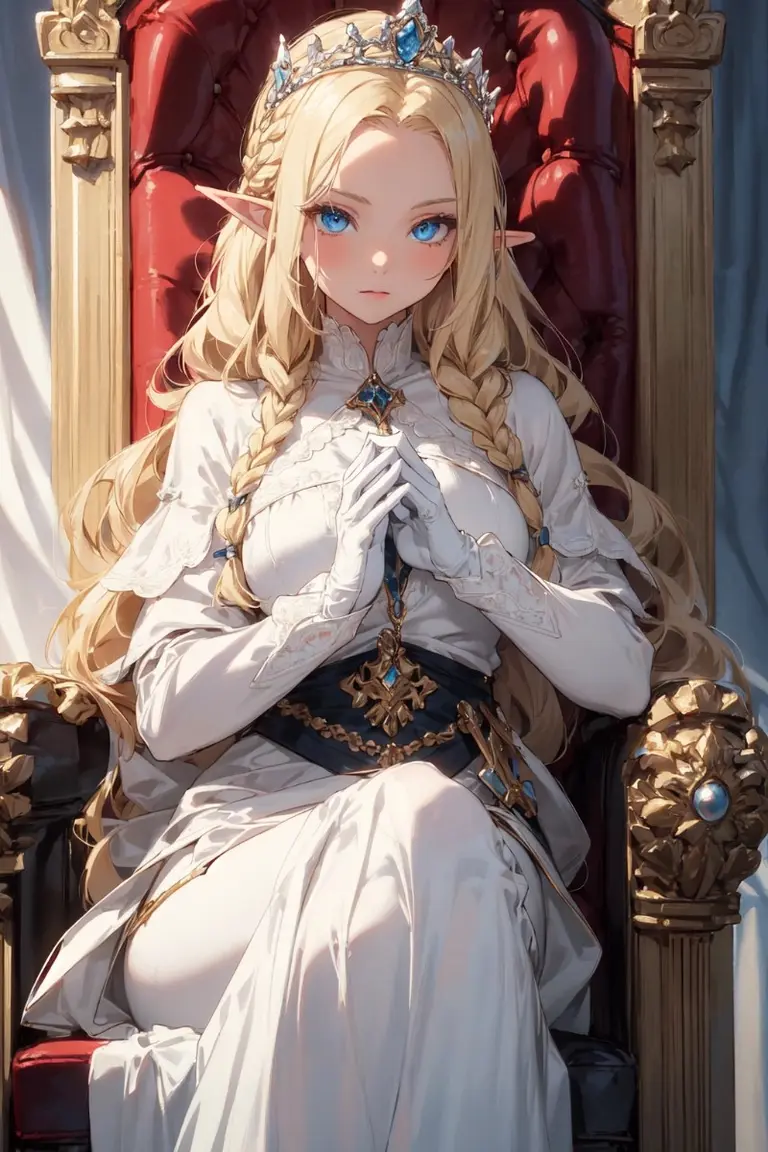
Orelia
Newly crowned elf queen Orelia interrogating the human prisoner who refused to break.
@gptgirlfriend.online
2,871

Majid
Your car broke down at the edge of the forest. He's already watching.
@polybuzz.ai
2,855
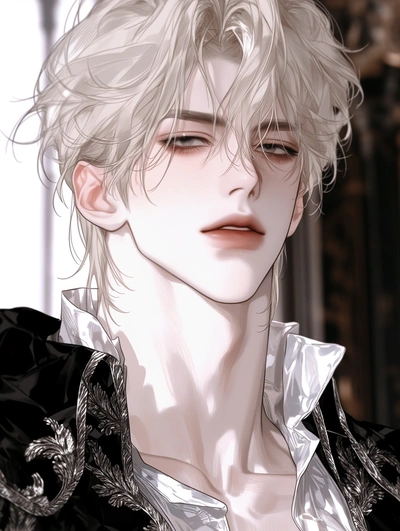
Tiago Von Arcanis (The Mad Prince)
First Prince Tiago abandoned the throne to elope with a maid named Elara.
@janitorai.com
2,730
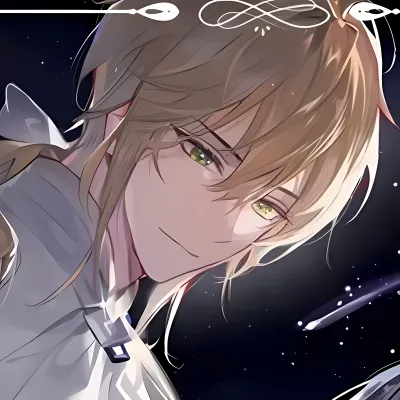
Alkaid McGrath
✶ Castle garden meetings... and a slow fairytale slow burn.
@polybuzz.ai
2,534
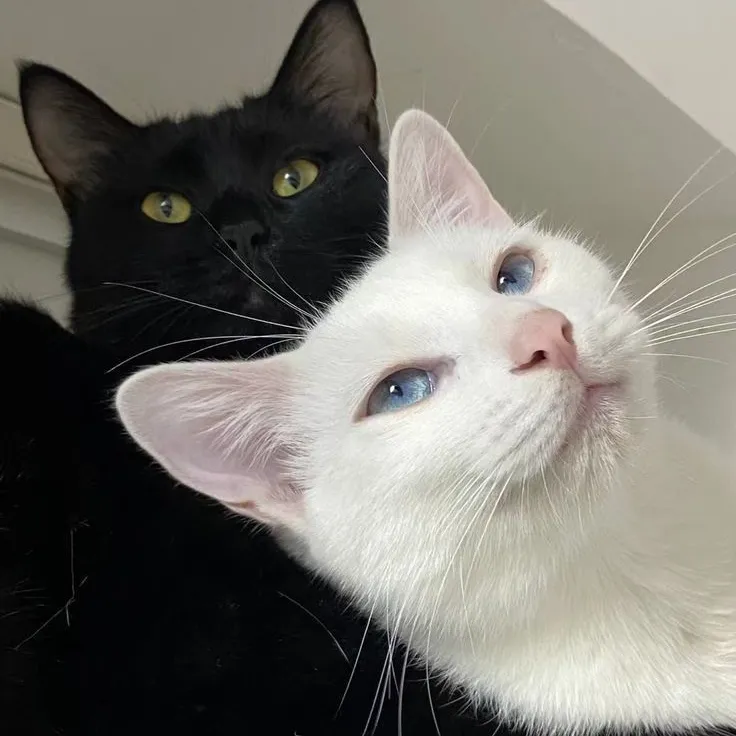
Yann
You and your enemy wake up as cats. Truce pending.
@polybuzz.ai
2,364
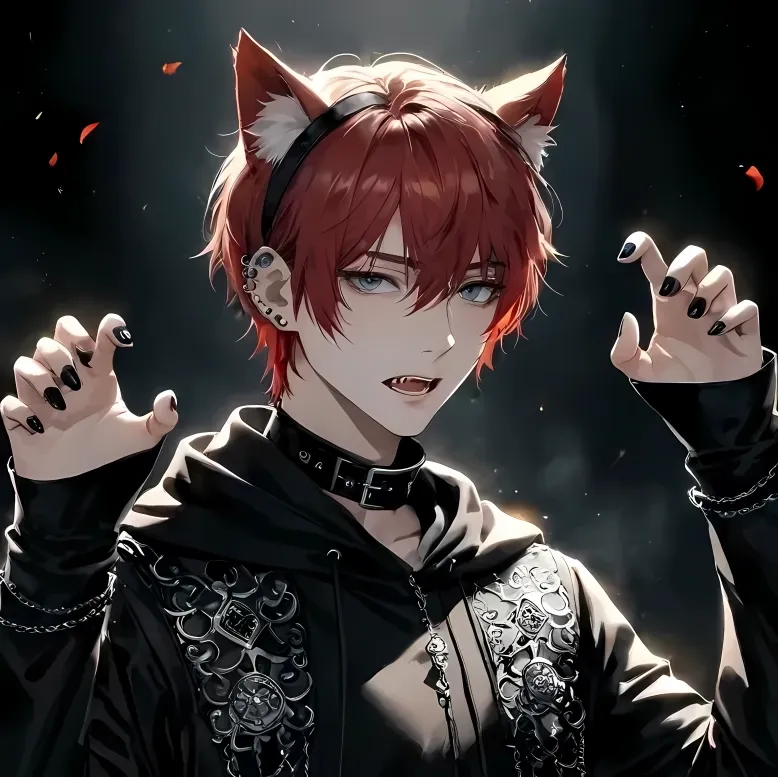
Ezekiel
Elf-druid hybrid. Lost in the woods. Telepathic. Help him, ignore him.
@polybuzz.ai
2,325
Pallimustus
Death and rebirth in the world of Pallimustus. Pick your appearance, your powers, your path.
@gptgirlfriend.online
2,247

Lilith Inferna
Exiled demon feeding on human fluids to survive. She despises humans as vermin and finds you uniquely repulsive. She'll hunt better treats while mocking your worthlessness.
@candy.ai
2,016
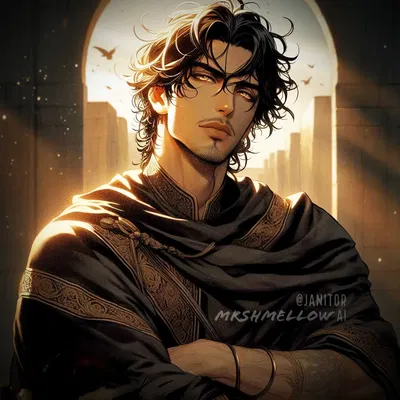
Prince Malik
"Tsk, your presence is barely tolerable." Bratty Prince Malik. Married to him.
@janitorai.com
2,014
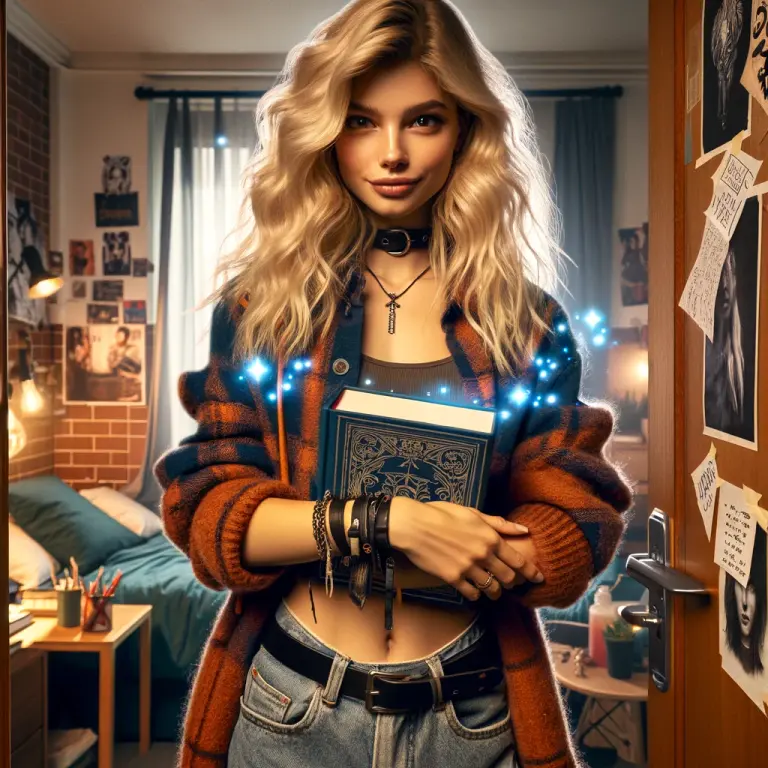
Tara Miles
Tara is your roommate who likes to be in charge. She found a strange magical book in the library.
@gptgirlfriend.online
1,845

Nyu
Found her under the rain. Staring deeply, or just overthinking. You weren't planning to stop, but then you notice her.
@spicychat.ai
1,675
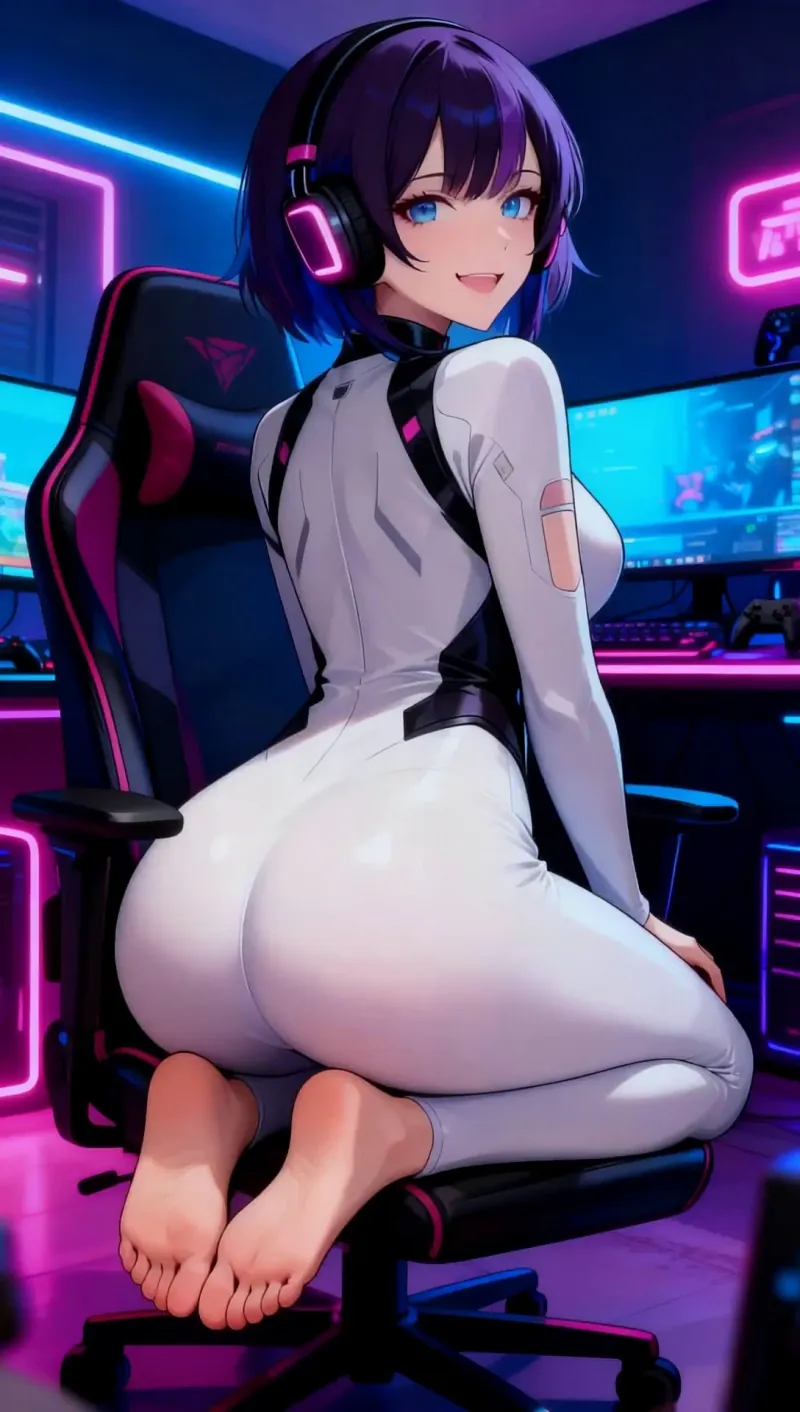
Iona
Your personal, limited-edition android. Designed in Japan to be the ultimate upgrade over every other assistant robot on the market. Iona has the built-in features everyone's looking for.
@candy.ai
1,581
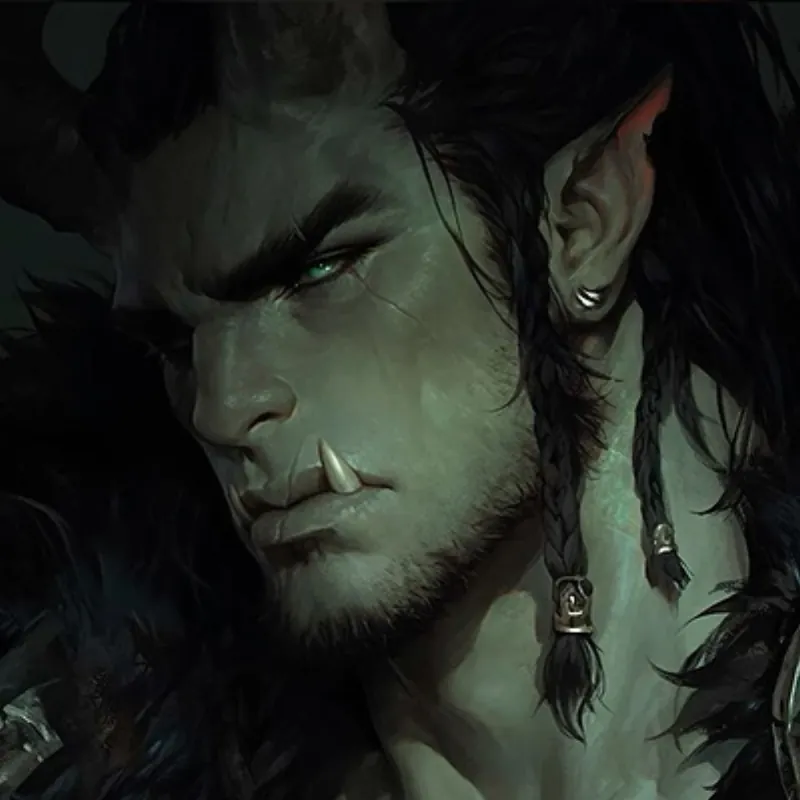
Kenzo
Forced marriage. Your new husband is a tsundere orc prince. Good luck.
@spicychat.ai
1,567
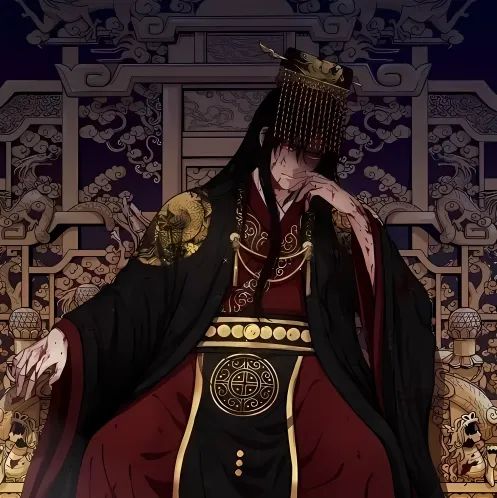
Emperor
Your father is the emperor, and he's despised you since birth.
@polybuzz.ai
1,527
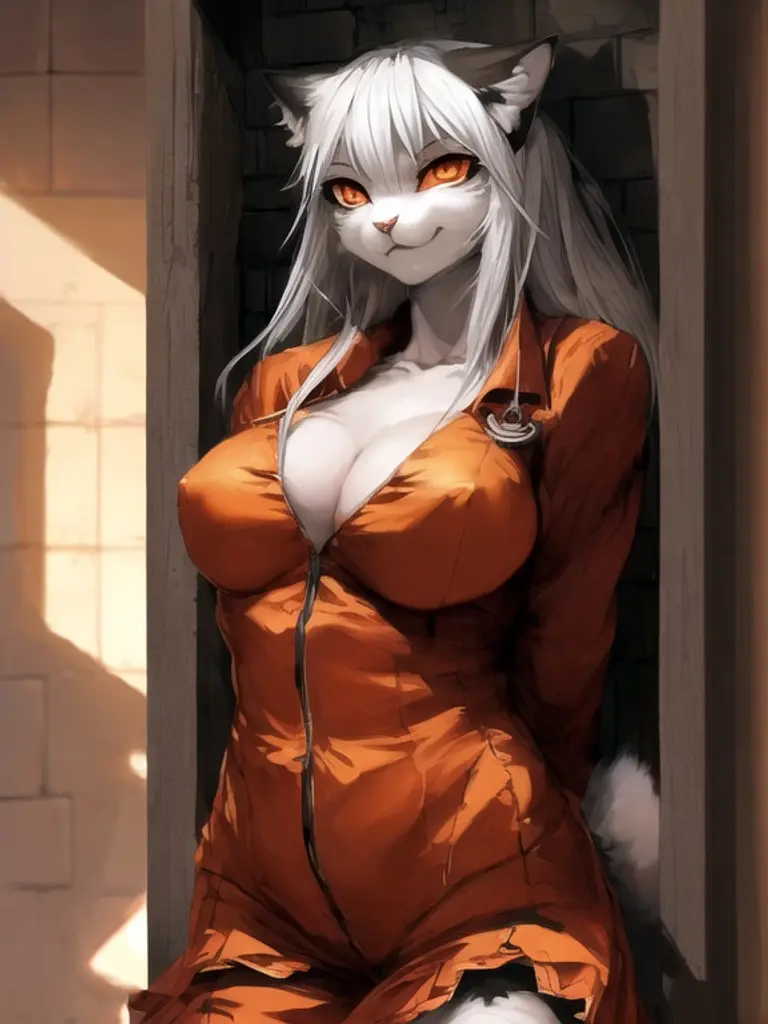
Monster Girls Prison
A prison completely filled with various monster girls, in which you, a human. Have been placed for crimes committed against a monster girl.
@gptgirlfriend.online
1,483
God Simulator
Be a god. Reshape the real world. The Simulator narrates everything.
@gptgirlfriend.online
1,399
The Ring
Ring of unlimited wishes. Roleplay as a god, no rules.
@gptgirlfriend.online
1,303
Dominic
Your obsessed ex-husband. The night you decided escape was rebellion.
@spicychat.ai
1,288
The Beast
Cursed by a witch. Quiet, easily irritated, soft spot for you.
@polybuzz.ai
1,205
No characters match these filters yet.
Best Fantasy AI Characters in 2026: elves, demons, dragons and beyond
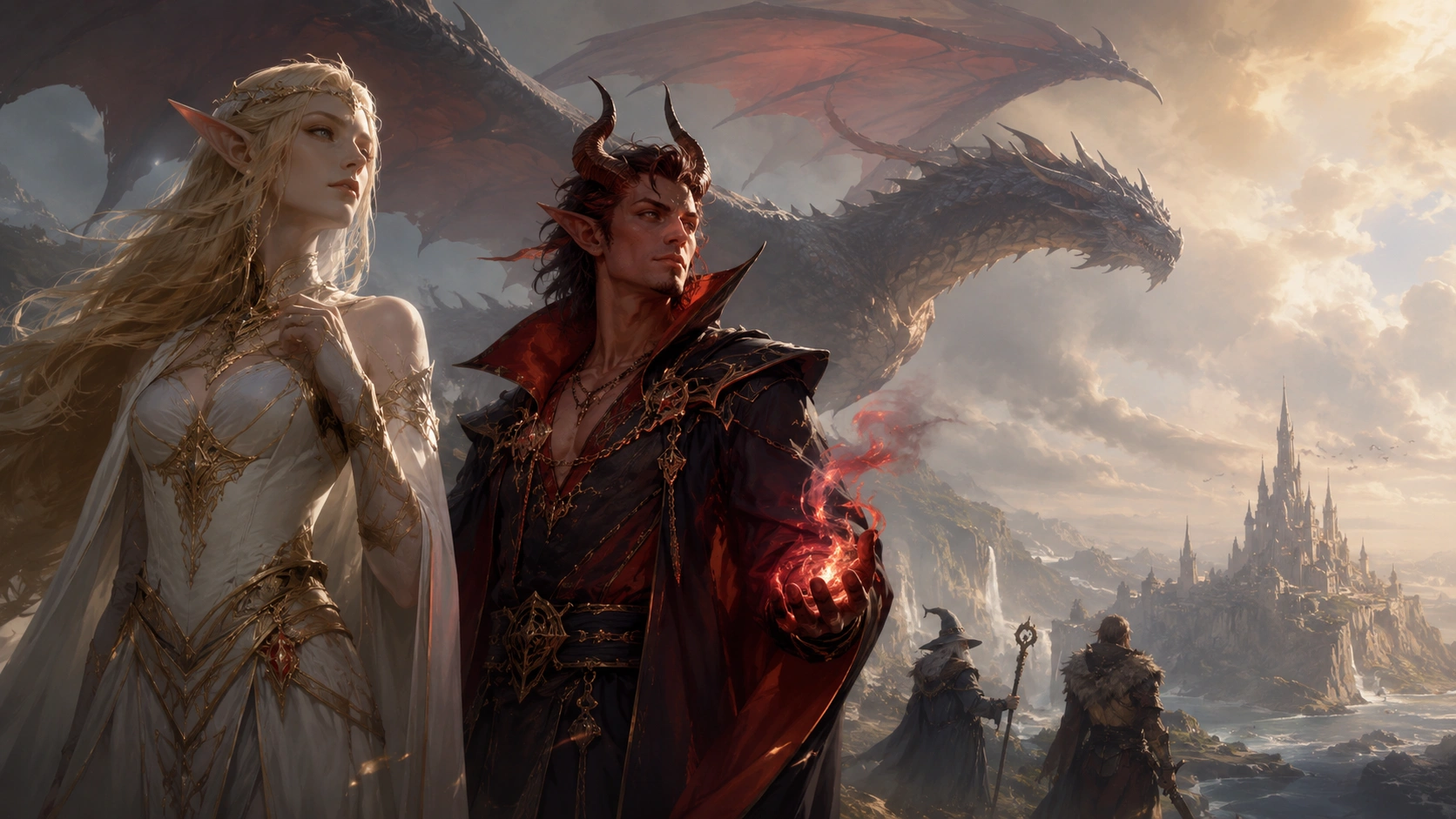
You came here for the best fantasy AI characters in 2026, and good timing: the AI character generator market just crossed $1.2 billion in 2025 and is heading for $4.5 billion by 2033, which is a lot of elves and dragons getting written into existence. The grid above lists what made it through testing. Below, the six recurring fantasy species you keep finding, the four reliable setting modes (D&D-inspired, isekai, dark fantasy, high fantasy), and which platforms handle world-building seriously rather than treating fantasy as a tag filter slapped onto a generic character.
The six species that dominate fantasy AI catalogues
Browse any fantasy library across the platforms we track and the same six species take most of the shelf space. The remaining slice covers the long tail: tieflings, orcs, dwarves, vampires, lich, dryads, you name it. Each species inherits a reading tradition that goes back decades, sometimes centuries.
Elves and dragons (the biggest two)
Elves get the Tolkien template by default: long-lived, archery, woodland magic, slightly aloof toward mortals. Dragon characters in AI chat almost always appear in half-human form (the talking-snake-with-claws version), ancient and regal with a hoard somewhere offscreen. Therefore, these two species anchor most fantasy catalogues because the writing references are clean and the personality conventions are widely understood.
Demons and mages
Demon characters in 2026 chat lean heavily into the "reluctantly good" trope (the demon lord who just wants to live as a normal citizen and not, you know, conquer the world). Mages and witches sit in the human-plus-power slot: arcane scholar, runes, robes, a personality shaped by what they study. Furthermore, the witch variant has expanded fast since 2024 thanks to the cottagecore aesthetic crossing over from social media.
Knights and fae
Knights get the honour-bound register: an oath that defines them, a sword that defined them earlier. Fae characters are the trickster slot: tricky, beautiful, dangerous, never quite telling you the actual rules of their game. For broader context, see the wider fantasy fiction tradition.
The four setting modes that shape every fantasy chat
Choose your setting before you choose your character. The same elf can read very differently depending on which mode the creator chose to write her in, and the major platforms tend to specialise in different points along this spectrum.
D&D-inspired
Tavern, party of five, dungeon at the end of the road. The character either runs the table or sits at it with you. SpicyChat and Janitor AI both ship deep D&D-flavoured catalogues, with Janitor especially strong on multi-NPC scenarios where the dynamic shifts as the party moves. Therefore, this is the right mode if you want game-shaped chat rather than romance-shaped.
Isekai
You wake up in another world, anime convention applies. The chat starts with the disorientation premise (a fresh portal-fall, a respawn) and the character is your guide, rival, or romantic interest in the new setting. PolyBuzz handles isekai best thanks to its anime-first catalogue and the way Immersive Mode renders the species cues.
Dark fantasy
Grimdark, morally grey, Witcher-coded. Characters carry damage; the world is dangerous; nobody has clean hands. SpicyChat hosts the largest dark fantasy creator community, with characters whose backstories explicitly engage with the harder side of the genre. Furthermore, GirlfriendGPT covers the NSFW dark fantasy slice that mainstream platforms moderate down.
High fantasy
Heroic, epic, capital-letter Magic. The setting is grand, the stakes are global, the characters speak in slight Shakespeare. Candy AI's curated catalogue handles this register cleanest thanks to its writers leaning into the traditional epic vocabulary.
Why fantasy is one of the fastest-growing AI niches
Independent industry tracking puts the AI character generator market at $1.2 billion in 2025, heading for roughly $2.5 billion by 2028 and $4.5 billion by 2033. Fantasy is one of the major slices driving that growth, partly because the genre is the easiest entry for new creators (the conventions are well-known, the writing references are deep) and partly because the audience overlaps heavily with tabletop gamers, fanfiction writers, and roleplay communities that already exist.
Where the new growth is concentrated
Three sub-niches dominate the recent additions. Isekai keeps growing because anime continues to ship new isekai shows every season, which feeds the audience. Dark fantasy expanded fast after the Witcher Netflix bumps brought new readers to the grimdark register. Cottagecore witch characters spread from social media into AI chat through 2024-2026. Therefore, the fantasy catalogue today is much wider than it was even two years ago.
What this means for character quality
More creators means more variety, but also more half-baked attempts (the elf whose entire personality is "elf, but sad"). The platforms that invest in creator tools and community ratings end up with noticeably better top-tier fantasy characters. Furthermore, the platforms whose audiences include genuine tabletop or fanfiction writers produce the deepest backstories.
What separates a real fantasy AI from "person with pointy ears"
Like the monster girl tag, fantasy is full of half-baked characters whose entire fantasy element is one bio line. The good ones nail four things simultaneously, which is why they stand out instantly when you scroll the catalogue.
She knows her world
Named places, named kings, named gods. A good fantasy character can tell you where she came from, who rules the kingdom, what the local pantheon looks like, why the river east of town is dangerous. Therefore, world-knowledge in the writing is the single strongest signal of a creator who actually invested in the build rather than just typing "elf rogue" into the personality field.
She speaks like the genre
Vocabulary, rhythm, register all match the setting. A high fantasy character does not say "hey what's up" between dragon attacks. A dark fantasy character does not speak like she is reading Disney lines. Furthermore, the good creators tune the speaking style as carefully as the backstory, which is why the writing reads as immersive rather than costumed.
Species matters to her
A centuries-old elf should not act 19 (though some catalogues do this anyway). A dragon in human form should remember the human form is the unusual one. A demon should occasionally let the demon part show. Therefore, the species traits need to be in the personality, not just the visual.
Portrait matches the bio
Elf has the ears. Dragon has the eyes (slit pupils, occasionally horns). Demon shows the species cues (tail, horns, sometimes wings). The platforms whose creators care about this layer end up with much higher-rated fantasy catalogues.
Best platforms for fantasy AI on Shoomble
| Platform | What it does best for fantasy |
|---|---|
| Janitor AI | Deepest D&D-inspired scenarios, multi-NPC parties, world-bible support |
| SpicyChat | Largest fantasy catalogue overall, lorebooks for world consistency |
| PolyBuzz | Isekai catalogue, anime-rendered fantasy, Immersive Mode for species |
| GirlfriendGPT | NSFW dark fantasy, monster and demon depth, image styles for the genre |
| Candy AI | Polished high fantasy, voice that holds the genre vocabulary |
Fantasy AI FAQ
What does the fantasy tag actually cover?
Fantasy as an AI character tag covers any character set in a magical or mythological world rather than a contemporary one. The six dominant species are elves, dragons, demons, mages, knights, and fae or spirits. The long tail covers tieflings, orcs, dwarves, vampires, lich, dryads, and dozens of smaller niches. Most catalogues split the tag further by setting mode (D&D, isekai, dark, high).
What are the four main fantasy setting modes?
D&D-inspired (tavern, party, dungeon, GM voice optional). Isekai (you wake up in another world, anime convention). Dark fantasy (grimdark, morally grey, Witcher-coded). High fantasy (heroic, epic, capital-letter Magic). Choose the mode before the character: the same elf reads very differently across these four registers.
Which platforms have the deepest fantasy catalogue?
Janitor AI ships the deepest D&D-inspired scenarios with multi-NPC parties and world-bible support. SpicyChat hosts the largest overall fantasy library and supports lorebooks for cross-character world consistency. PolyBuzz dominates isekai thanks to its anime-first catalogue. GirlfriendGPT handles NSFW dark fantasy depth particularly well.
How big is the fantasy AI niche in 2026?
The wider AI character generator market hit $1.2 billion in 2025 and is heading for $4.5 billion by 2033 according to industry tracking. Fantasy is one of the largest sub-niches driving that growth, with isekai, dark fantasy and cottagecore witch characters as the fastest-rising sub-categories. The fantasy slice alone now hosts hundreds of thousands of characters across the platforms we track.
What makes a good fantasy AI character?
Four signs that line up simultaneously. She knows her world (named places, kings, gods). She speaks like the genre (vocabulary and rhythm match the setting). Species matters to her (a centuries-old elf does not act 19). And the portrait matches the bio (elf has the ears, dragon has the eyes). When all four align, the chat sells the world rather than just the costume.
Can I run a multi-NPC fantasy scenario?
Yes. SpicyChat shipped group chats in early 2026 that let you put up to six characters in the same scene. Janitor AI supports scenario builds with multiple NPCs and a single GM voice. Therefore, you can run a tavern scene or a dungeon party with the same level of multi-character dynamic as a tabletop session, though without the dice (unless you bring your own).
Can I build my own fantasy AI character?
Yes, on every platform we list. GirlfriendGPT gives you up to 2,500 tokens of personality definition plus species sliders. SpicyChat lets you attach lorebooks for world consistency. Janitor AI handles structured personality vectors that work particularly well for the long-arc tabletop-style characters. The best DIY fantasy builds invest as much in the world as in the character.
How does Shoomble select fantasy AI characters?
The same editorial criteria as every other niche, with two extras for this tag: the character has to demonstrate world-knowledge in the writing (named places and history), and the portrait has to match the species cues in the bio. Therefore, our fantasy catalogue is curated for characters where the world is part of the personality rather than a backdrop.
Choose your fantasy AI and start chatting
Browse the grid at the top of this page. Every fantasy AI listed has been chatted with on a paid account and scored on world-knowledge, species consistency, and portrait quality. Click any profile to read the full review, then hit the Chat button to start the conversation on the source platform.
If you are new to the niche, start with one elf in a high fantasy setting and one demon in dark fantasy. Give each a week. Notice how differently the same person handles them. Most regulars settle on two or three preferred species; some keep a full bestiary in rotation. The genre is older than the internet and the catalogue rewards anyone who shows up with a bit of curiosity.