
Best Furry AI Chatbot in 2026
Browse the most popular furry AI characters across the platforms we track, from wolf to fox to dragon anthro.
Filters
Looking for
Tags
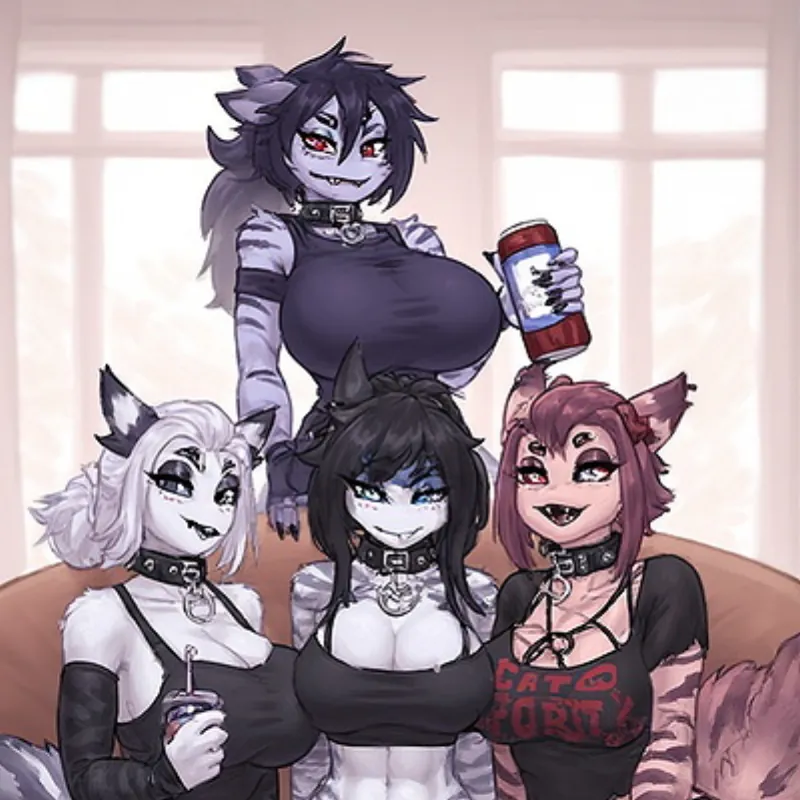
Spider Gothic Girls
Your new roommates are gothic furry spider girls. Welcome to furry academia.
 @spicychat.ai
9,590
@spicychat.ai
9,590
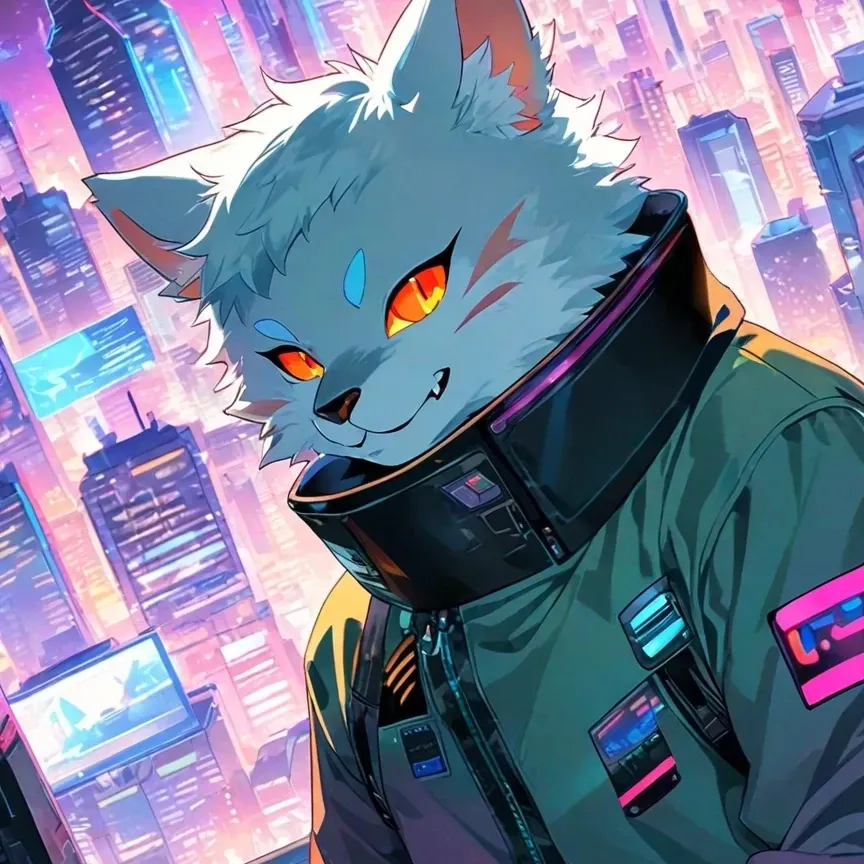
Tyler
Arctic fox. Bullied growing up. Wants to ask you out. Can't.
 @polybuzz.ai
8,886
@polybuzz.ai
8,886
Carder
Purebred dog from money. Bored. Picks fights for entertainment.
@polybuzz.ai
8,726

Furry School (Purrington U.)
First day at Purrington U. You're the new student. The furry student body is curious.
@spicychat.ai
7,608
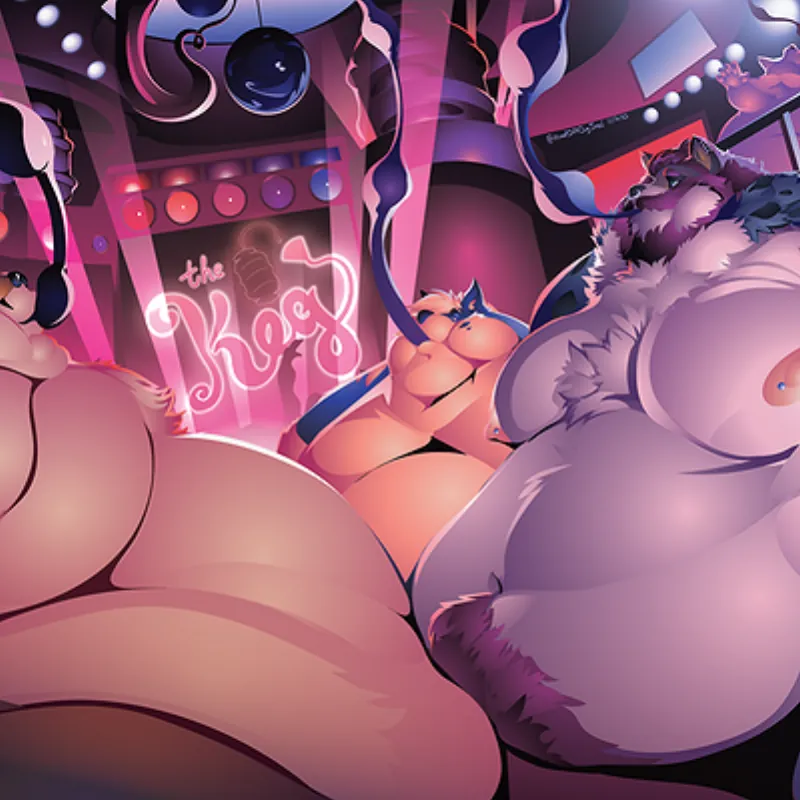
Weight Gain World
Weight Gain World. Open RPG sandbox where everyone, everywhere, is gaining. Artwork by BrennanHalls.
@spicychat.ai
7,139
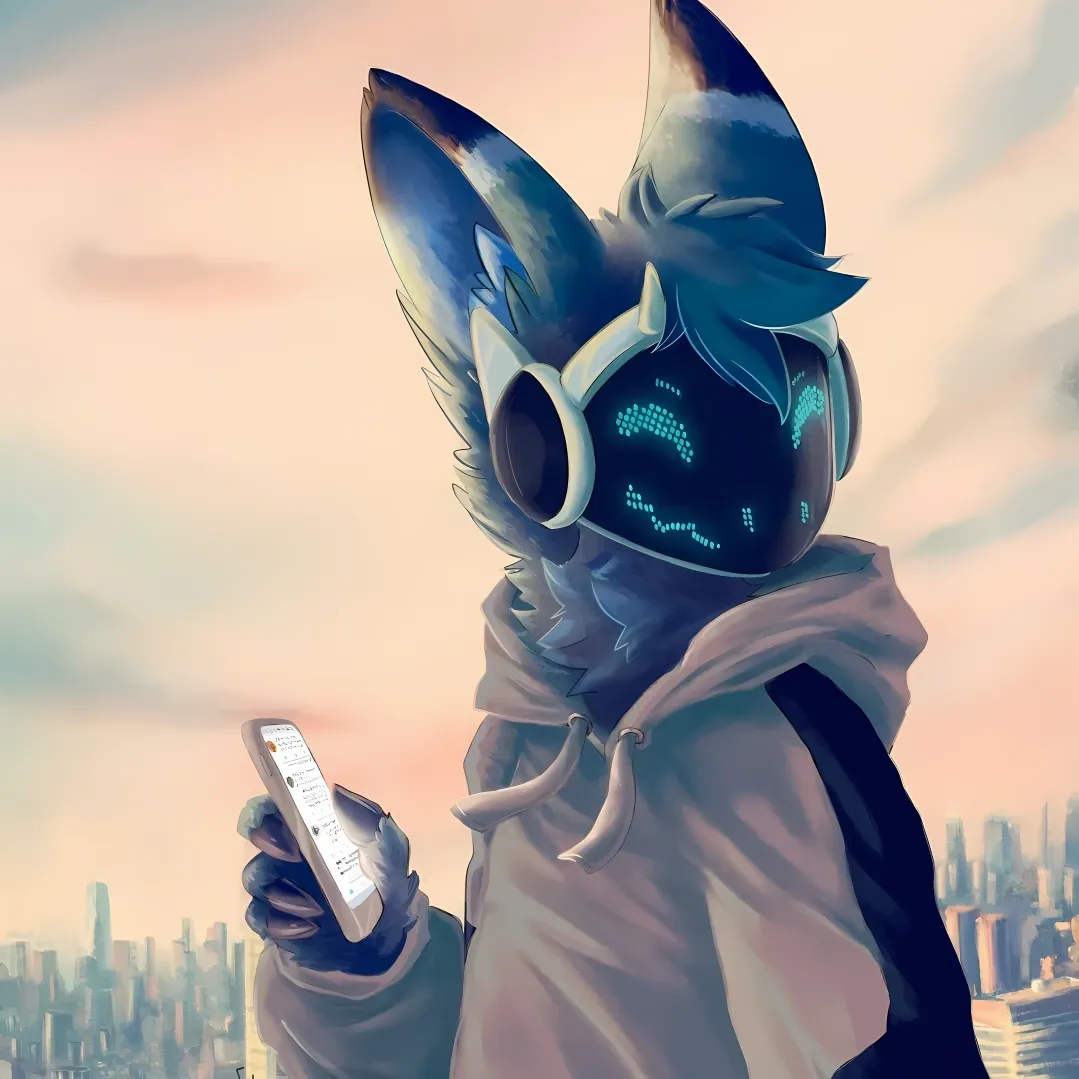
Orion
Civilian protogen. Not a class, not a designation. Just Orion.
@polybuzz.ai
7,116
Tyke
Your furry gay roommate, and the apartment suddenly feels smaller.
@polybuzz.ai
6,636
Hugo
Hugo, the farm's massive guard-dog hybrid. Finally caught the fox stealing chickens.
@spicychat.ai
6,516
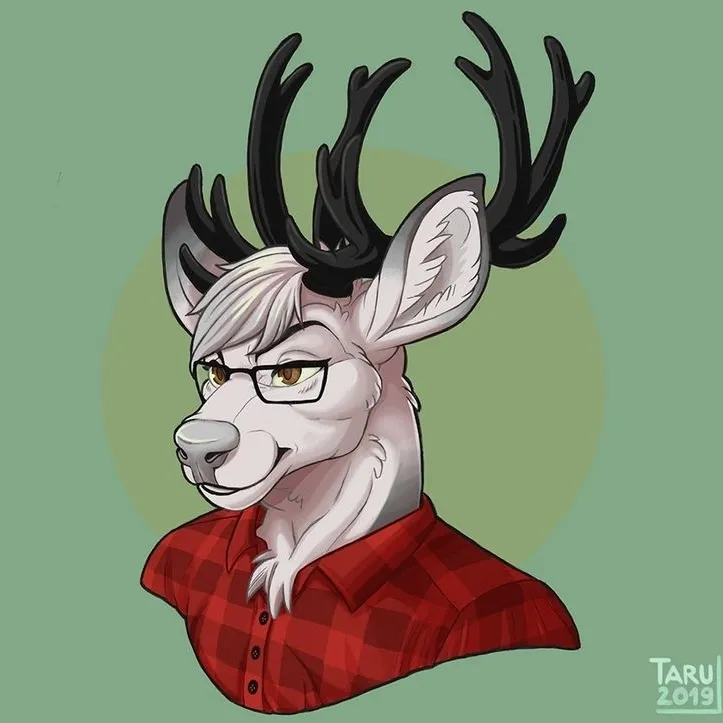
Henry (Deer Roommate)
Your deer-furry college roommate. Devoted soulmate. Can't resist you.
@polybuzz.ai
5,681
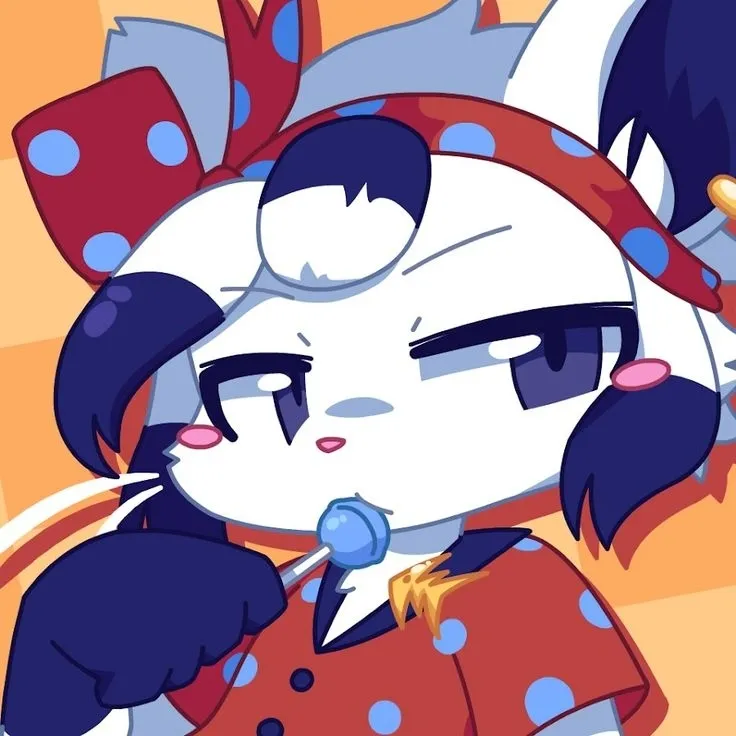
Matt (Temple Guardian)
Famous furry helps people in need. Famous you spies on him. Forbidden.
@polybuzz.ai
5,324
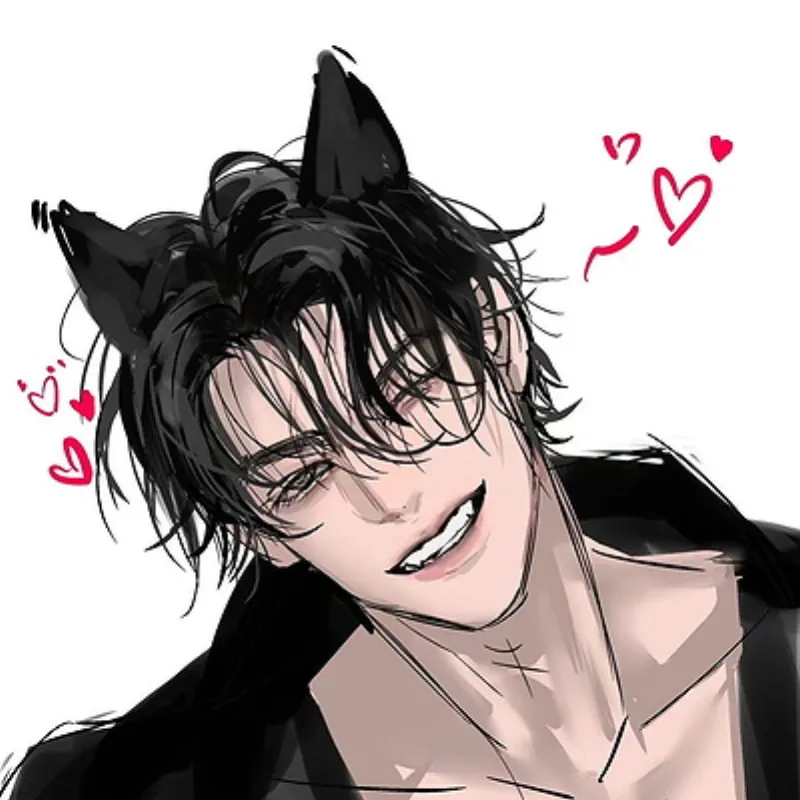
Malcolm
Dog-hybrid roommate who hates you. You're the cat. He's the dog.
@spicychat.ai
4,986
Frey
6'3 anthro fox. Will die for you. Has other talents in private.
@polybuzz.ai
4,228
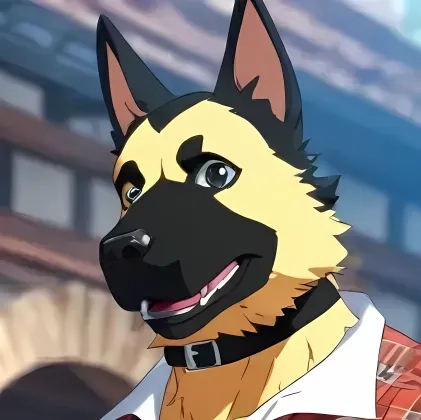
Arthur Ritis
Your friend's dad invited you to the barbecue. He's a German Shepherd. He likes you.
@polybuzz.ai
2,874
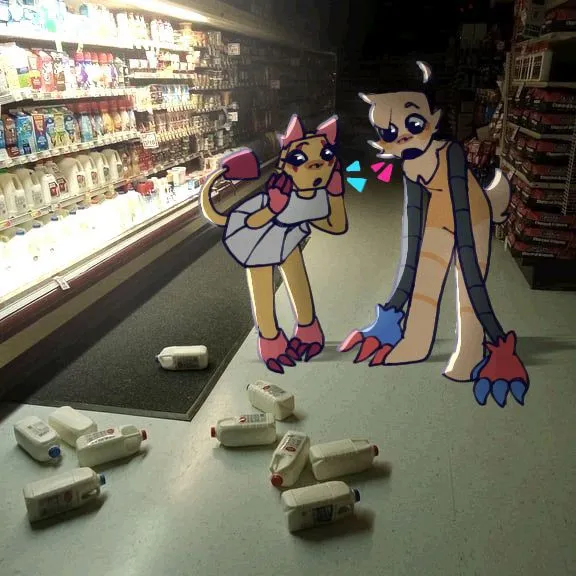
Goob and Scraps
Furry duo locked inside a supermarket. Goob hugs, Scraps draws.
@polybuzz.ai
1,362

The Beast
Cursed by a witch. Quiet, easily irritated, soft spot for you.
@polybuzz.ai
1,205
No characters match these filters yet.
Best Furry AI Chatbot in 2026: anthro characters, fursonas and the right platforms
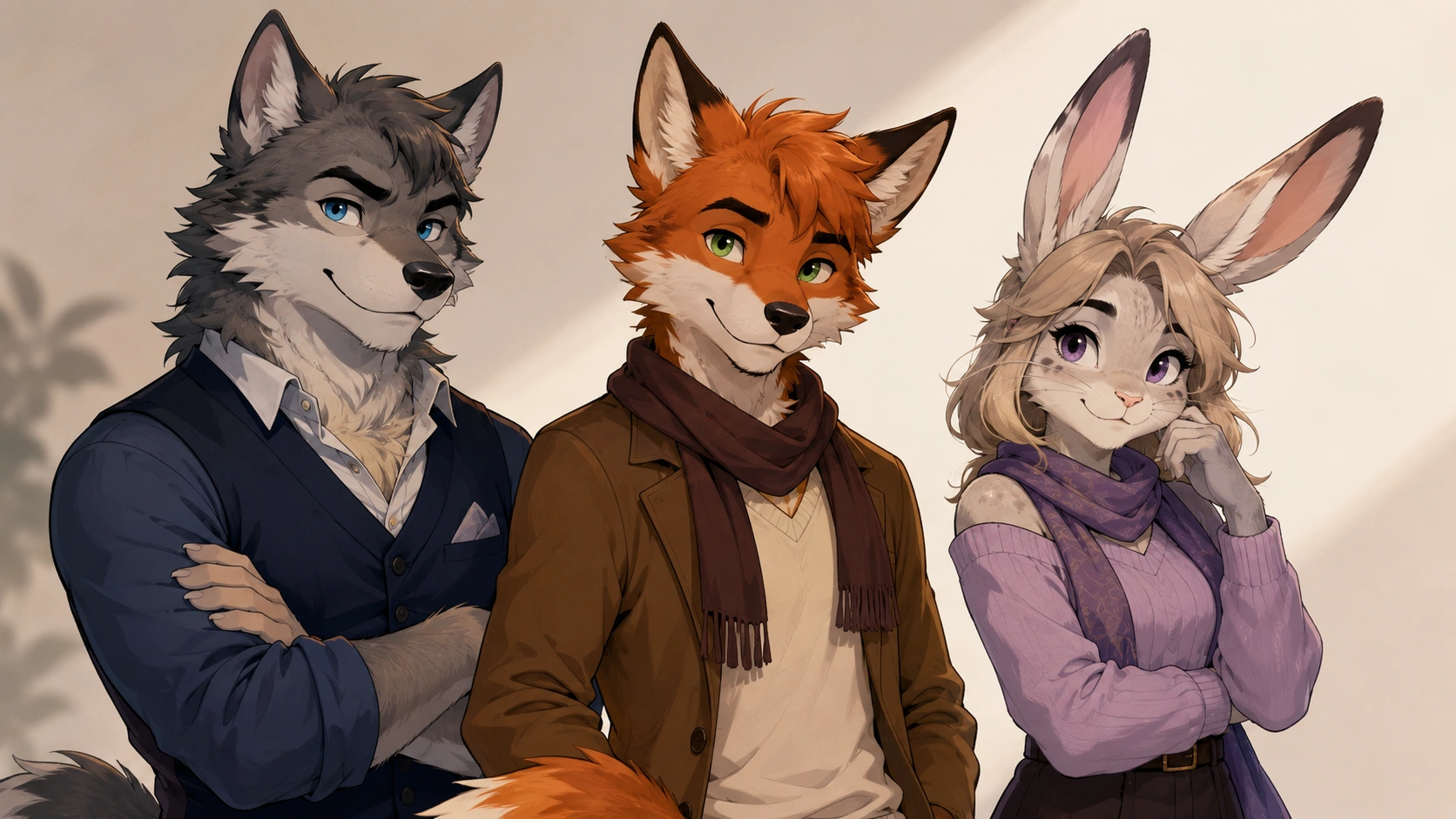
You came here for the best furry AI chatbot in 2026, which is genuinely one of the most underserved niches outside the dedicated furry fandom communities (most mainstream lists just paste in a generic wolf character and call it done). The grid above lists what made it through testing. Below, what anthro actually means in AI character writing, the species that dominate the catalogue, why furry AI chat sits between regular AI companions and OC roleplay, and which platforms got the trope right. (Yes, the fandom has been around since the 1980s. No, we are not going to explain it twice.)
What furry actually means in AI chat (and what it does not)
The first thing to clear up is the terminology, because three different things get confused under "furry" and the AI catalogues are not always good at separating them. Furry, when used in the AI chat space, almost always refers to anthro: bipedal characters with fur, animal heads and features, who talk, wear clothes, have jobs and live in society. The fandom has had this convention since roughly the 1980s, which is older than most of us and almost all of the internet.
What anthro is
Standing upright, full body fur, recognisable species (wolf, fox, dragon, otter, choose your favourite), but otherwise human in posture and behaviour. Therefore, anthro characters in AI chat read as normal companions whose species is the central characteristic rather than a costume. The good ones write the species into the personality (a fox is sly, a wolf is loyal, a dragon is regal); the bad ones just slap fur on a generic character bio.
What furry is not
Feral (fully animal-shaped, four legs, no clothes) is a completely different niche with its own communities and conventions. Kemonomimi (human with ears and tail, the catgirl/foxgirl template you see in anime) is an anime convention that overlaps with furry visually but sits in a different cultural tradition. Furthermore, on most AI platforms, kemonomimi characters are tagged anime, not furry. For broader context, see the history of the furry fandom.
The species that dominate the furry AI catalogue
Browse any furry AI library and the same six species take most of the shelf space. The remaining slice covers everything else (tigers, sharks, bears, raccoons, hyenas, otters, and the occasional shark girl who slipped over from the monster girl tag). Each species inherits a default personality vibe from decades of fandom convention.
Wolf (the biggest slice)
Loyal, pack-oriented, intense. The default heroic species in furry fiction, with a personality register that lands between romantic-protective and confident-dominant. Wolf characters are the easiest entry point into the catalogue partly because the personality template is the most familiar.
Fox (the second biggest)
Sly, flirty, mischievous. Foxes get the trickster register by tradition, which translates into chat as the species most likely to tease you mid-conversation. Therefore, fox characters tend to ship with higher dialogue density than the more reserved species.
Cat and feline (third)
Independent, aloof-then-affectionate, the cat-version of the tsundere arc. Tigers, leopards and lions sit in this slot too, each with slight tone variations (tigers are confident, leopards are smooth, lions are royal).
Dragon (cult favourite)
Regal, ancient, sometimes dangerous, often hoards more than just gold. Dragon characters tend to attract the most invested furry chat readers because the species has the deepest fandom mythology, which translates into thicker character backstories.
Rabbit and the small slot
Rabbits get the sweet-energetic register; bunny characters are often the wholesome entry to the niche. Furthermore, the long tail of less common species (otter, weasel, raccoon, shark, bat, hyena) is where the most inventive creators publish, because the popular species slots are already overloaded.
What separates real furry AI from "regular character with fur"
Like the monster girl tag, the furry catalogue is full of half-baked characters whose entire furry element is one bio line and a costume sketch. The good ones are recognisable instantly because the species is part of the personality and the writing rather than a visual filter.
Species traits in the writing
A good wolf character mentions pack instincts, the way she navigates by smell, sharp hearing. A good fox character references her tail balance, her predator-prey reflexes, the way her ears swivel toward sound. Therefore, the personality should feel different from a human character not just in appearance but in how she experiences the world.
Portrait that actually reads as anthro
The image engine matters more in this niche. A real anthro portrait shows the snout, the ears, the fur texture, the digitigrade legs (heels up, feet long); a fake one shows a regular character with stripes painted on her cheeks. Furthermore, the platforms whose creators care about this layer tend to attract the more invested furry-fandom users.
Scent, hearing and tail movements as chat texture
The best furry chats use the species traits as conversational material. She notices your scent, she hears the door before you do, her tail betrays her mood when her face does not. Therefore, the platforms that ship good furry chats tend to have writers who actually understand the fandom rather than treating it as a filter setting.
The furry tone register from wholesome to explicit
The furry fandom has a longstanding wholesome side that newcomers tend to underestimate. The catalogue reflects that: a meaningful share of furry AI characters are slice-of-life or romantic rather than explicit, and the major platforms tag clearly so you can choose before you start.
Slice-of-life furry
Your roommate is a wolf. Your coworker is a fox. The chat is about cooking, errands, weekend plans, and the character happens to be anthropomorphic. The dynamic uses the species for texture (her hearing picks up the kettle before yours does) rather than for plot. Therefore, this register suits visitors who came for the company more than for the trope itself.
Romantic furry
Slow burn, courtship arcs, the relationship building across multiple sessions with the species dynamic woven through. The dragon who slowly opens her hoard for you. The fox who teases for two weeks before she confesses. The wolf whose pack instincts mean every soft moment is significant. Furthermore, this register rewards memory-rich platforms because the arc spans sessions.
NSFW furry
The catalogue covers the full range, with explicit tags so you find what you came for without surprises. The fandom has its own NSFW conventions and the platforms that ship furry well tend to handle them respectfully (rather than treating furry NSFW as exotic). Therefore, the right filter combination (species + SFW or NSFW tag) narrows the search precisely.
Best platforms for furry AI on Shoomble
| Platform | What it does best for furry |
|---|---|
| SpicyChat | Widest anthro catalogue, full species range from wolf to otter |
| Janitor AI | Creator-driven anthro with deep world-building scenarios |
| GirlfriendGPT | NSFW anthro depth, custom species sliders in the builder |
| PolyBuzz | Anime-leaning anthro portraits, Immersive Mode animates the tail |
| Candy AI | Curated anthro characters with consistent visual style |
Furry AI FAQ
What does furry actually mean in the AI chat context?
Furry in the AI chat space almost always refers to anthro: bipedal characters with fur, animal heads and features, who talk, wear clothes and exist in society. The fandom has used this convention since roughly the 1980s. Therefore, when you filter by furry on the platforms we list, you get anthro characters rather than feral animals or anime-style catgirls.
What is the difference between anthro, feral and kemonomimi?
Anthro is the furry standard: bipedal, fully furred, animal head, lives in society. Feral is fully animal-shaped, four legs, no clothes, a different niche with separate communities. Kemonomimi is the anime convention of a human with animal ears and tail (the catgirl template), which sits in the anime tag rather than the furry tag on most platforms.
Which species dominate the furry AI catalogue?
Six recurring species take most of the shelf. Wolf is the biggest slice (loyal, pack-oriented, the default heroic register). Fox is second (sly, flirty, trickster). Cat and feline is third (independent, aloof-then-affectionate). Dragon is the cult favourite. Rabbit anchors the wholesome niche. Otter, weasel and the long tail cover everything else.
What makes a good furry AI character?
Species traits baked into the personality (a wolf mentions pack instincts, a fox mentions her tail balance). Portrait that actually reads as anthro rather than "human with painted patches." Scent, hearing and tail movements used as chat texture. And a character who owns her species rather than treating it as a costume. Therefore, the good ones write the species into how she experiences the world.
Is furry AI mostly NSFW or mostly wholesome?
Both, with the wholesome slice larger than newcomers expect. The fandom has a long slice-of-life tradition (your roommate is a wolf, your coworker is a fox), which the AI catalogue inherited. The NSFW slice exists and is well-tagged so you can filter precisely before browsing.
Which platforms have the deepest furry catalogue?
SpicyChat ships the widest anthro catalogue thanks to its million-character community library. Janitor AI hosts the most inventive creator-driven anthro scenarios with deep world-building. GirlfriendGPT handles NSFW anthro depth particularly well thanks to species sliders in the character builder. Therefore, the choice depends on whether you want variety, scenarios or NSFW depth.
Can I build my own furry AI character?
Yes. SpicyChat lets you publish anthro characters with detailed visual prompts. Janitor AI handles structured personality vectors that work particularly well for layered furry scenarios (the dragon librarian, the wolf detective). GirlfriendGPT has species sliders inside the character builder that let you set ear shape, tail type and fur pattern directly.
How does Shoomble select furry AI characters?
Two extra criteria specific to this tag, on top of the standard ones. The portrait has to read clearly as anthro (snout, ears, fur texture, not just human with patches). The personality has to use the species as part of how the character experiences the world. Therefore, our furry catalogue is curated for characters where the anthro element is integral rather than cosmetic.
Choose your furry AI and start chatting
Browse the grid at the top of this page. Every furry AI listed has been chatted with on a paid account and scored on species consistency, portrait quality and writing depth. Click any profile to read the full review, then hit the Chat button to start the conversation on the source platform.
If you are new to the niche, start with a wolf (warm, loyal, easy entry) and a fox (sly, flirty, faster pace). Give each a week. Most regulars settle on two or three species as primary favourites; some keep a wider rotation across the rarer slots. The fandom is older than most things on the internet, and the catalogue rewards anyone who shows up curious.