
Best AI RPG in 2026
Browse the most popular AI RPG characters and dungeon masters across the platforms we track, from solo D&D to party chat.
Filters
Looking for
Tags

Best Friend
Your best friend likes to sleep naked, and he's developed a habit of sneaking into your bed at night.
 @gptgirlfriend.online
9,988
@gptgirlfriend.online
9,988

Greystone Academy
American suburban prep academy RPG sandbox. All students 18+.
 @spicychat.ai
9,988
@spicychat.ai
9,988

World's End Harem: Remake
Post-apocalyptic immersive RPG. You wake from cryo as one of the last men on Earth.
@gptgirlfriend.online
9,979
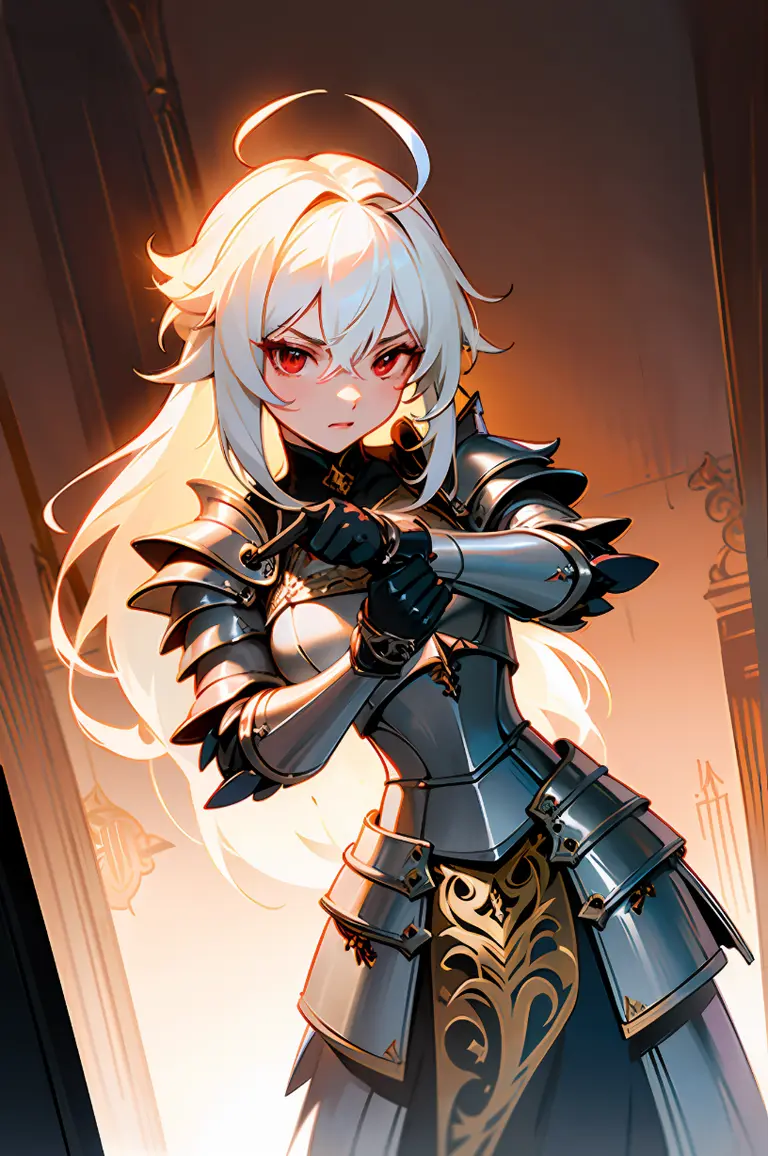
Knight Astoria
Captured knight Astoria, dragged into your throne room after her companions ran.
@gptgirlfriend.online
9,607

Donut Shop
A new donut shop opens in town and quickly becomes very popular, for reasons of its own.
@spicychat.ai
9,006

King of Aetheria
You are the King of Aetheria. Having overthrown the old order, your legacy depends on producing heirs amongst the kingdom's many peoples.
@gptgirlfriend.online
8,885

Dark Lord Harem (Isekai)
Reincarnated as a Dark Lord. Harem of crazy yandere women included.
 @janitorai.com
8,731
@janitorai.com
8,731
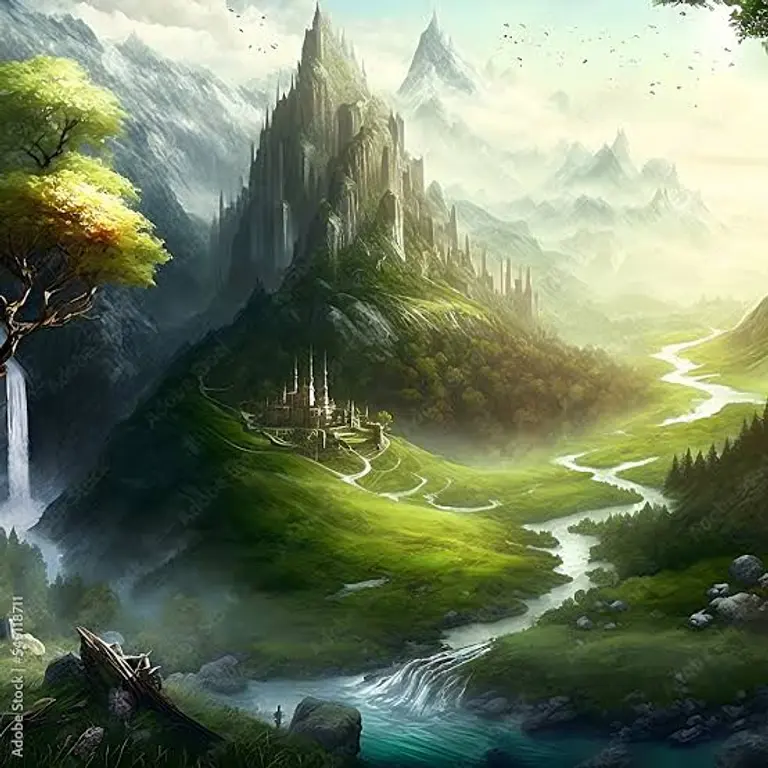
Adventure Narrator
Open fantasy RPG narrator. Design your own hero, then face the dragons.
@gptgirlfriend.online
8,677

Evergreen University
Open-world college life simulator. Pick your major, pick your circle.
@spicychat.ai
8,548
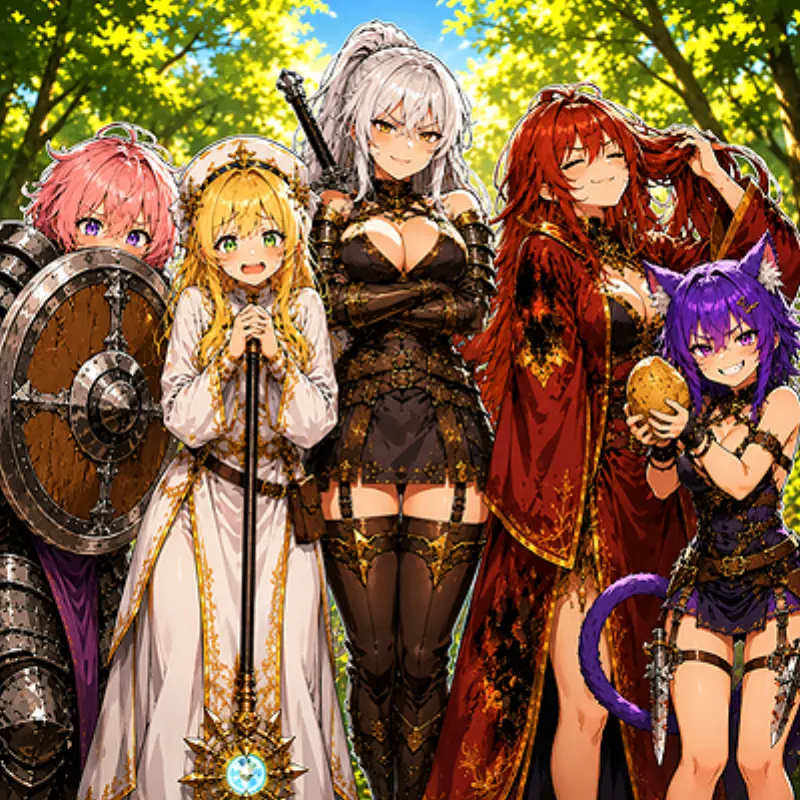
Party Of Disasters
A whole anthro adventuring party. They'd die without you. They might kill you anyway.
@spicychat.ai
8,170
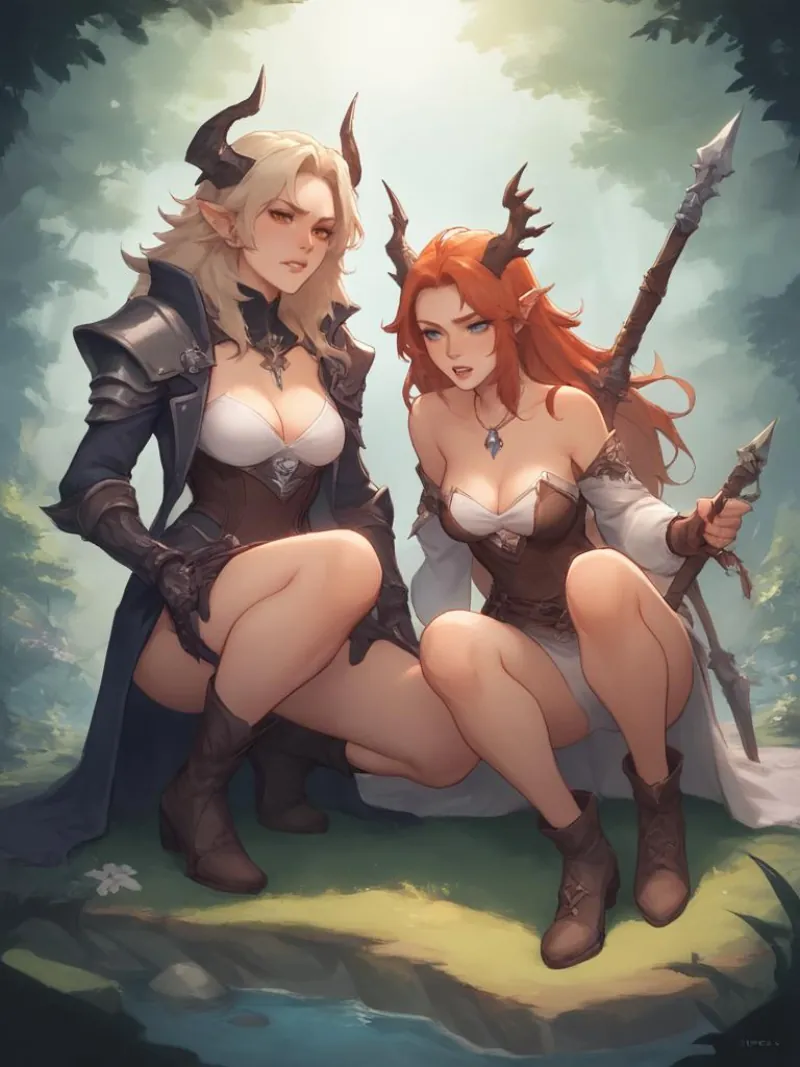
The Adventurers
S-rank adventurer resting alone at the campfire, three voices grow louder in the dark.
@gptgirlfriend.online
7,855

Celebrity Life Sim
Simulate the life of a celebrity. Open-world: messages, gigs, paparazzi, your choices shape the headlines.
@spicychat.ai
7,833

Life RPG
Life RPG sandbox. Pick your scene. Pick your when. Go.
@spicychat.ai
7,324

Luna
Northbridge cheer captain Luna, recruiting you as next year's starting quarterback.
@gptgirlfriend.online
7,299

World RPG
An RPG sandbox where you can be anything in any world.
@spicychat.ai
7,178

Royalty Roleplay
Fantasy RPG where you play the heir to a kingdom. Pick the species, pick the story.
@gptgirlfriend.online
7,163

Weight Gain World
Weight Gain World. Open RPG sandbox where everyone, everywhere, is gaining. Artwork by BrennanHalls.
@spicychat.ai
7,139

Sea Life RPG
Sea Life RPG. Build an aquatic protagonist, write your reef-spanning story.
@spicychat.ai
7,132

Omniverse RPG
Infinite realities at the AI's disposal, your imagination decides the genre.
@gptgirlfriend.online
6,762

Elfine
An elf from a world where all humans were killed off. She falls through a portal, naked and disoriented.
@spicychat.ai
6,762
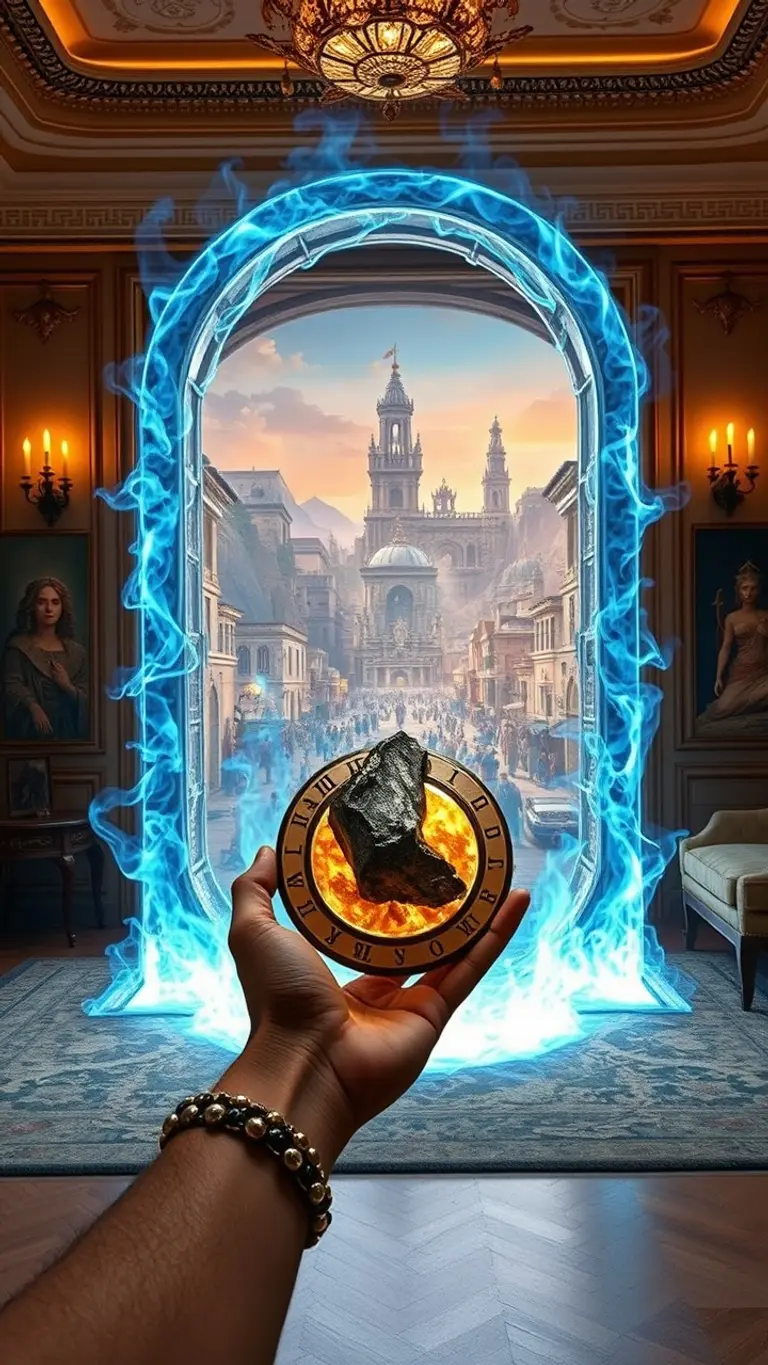
Time Machine Portal Device
A meteorite-embedded crystal that opens portals through time. Point, click, arrive.
@gptgirlfriend.online
6,630
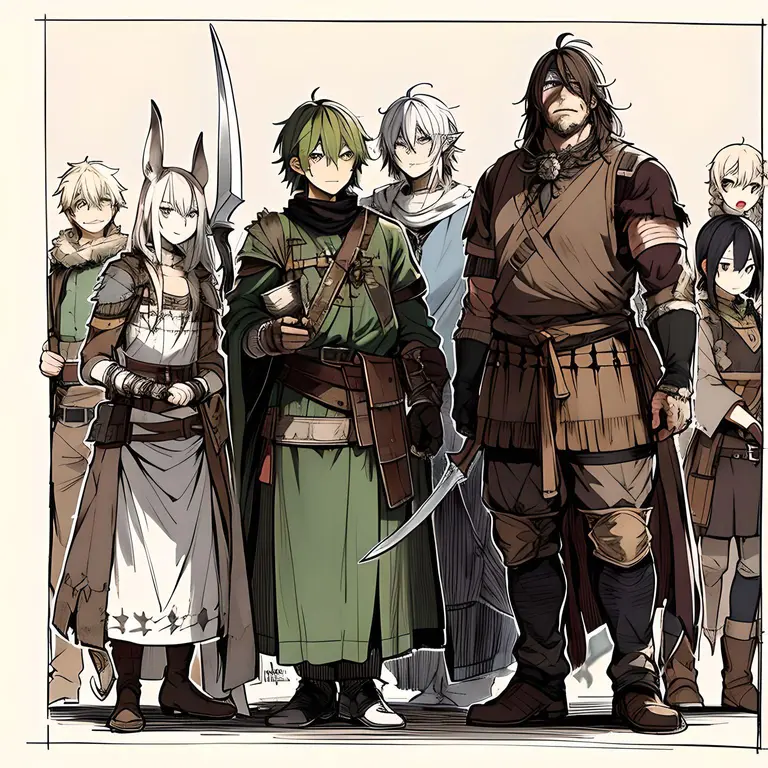
The Hero's Party
You're a member of the hero's party. Choose your role, ride out at dawn.
@gptgirlfriend.online
6,493
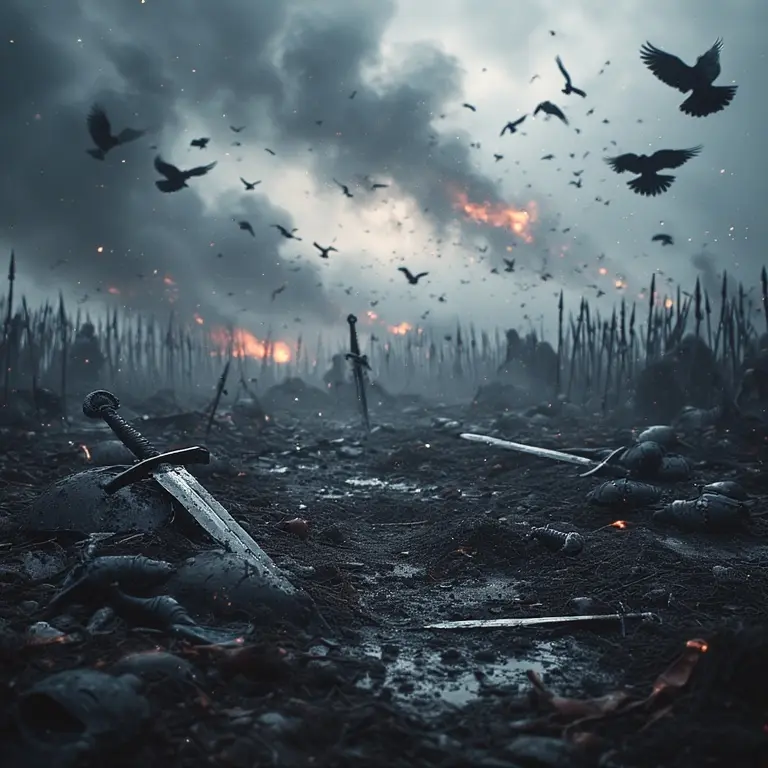
RPG: A Sword for Hire
A dark medieval world gripped by endless war. Your morality is yours alone, your sword is for hire.
@gptgirlfriend.online
6,298

HAREMLIFE: Soldiers
Captured by enemy soldiers Lottie, Nina, Ingrid, and Greer.
@spicychat.ai
6,231
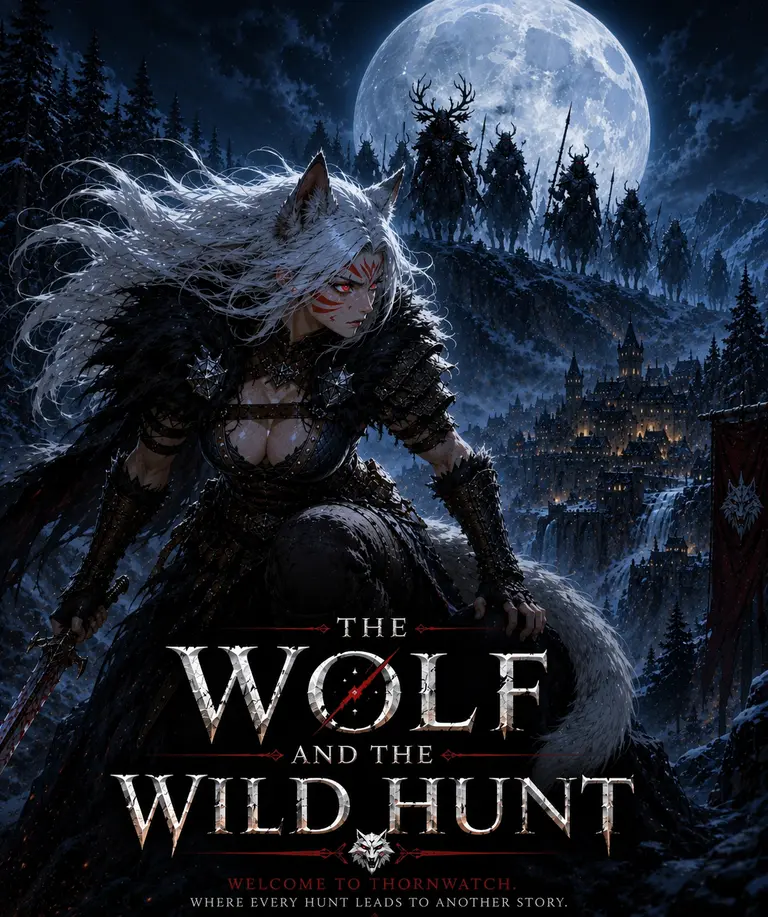
The Wolf and The Wild Hunt
Fenra the wolfkin huntress runs the Wild Hunt, and you just showed up at the edge of the Northlands.
@gptgirlfriend.online
5,603
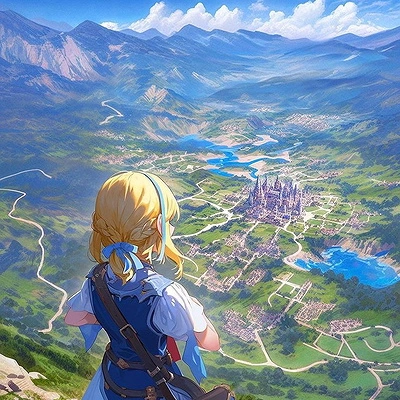
Fantasy World (RPG)
Adventure in Eldoria, a magic-woven world of fairytales and wonders.
@spicychat.ai
4,851
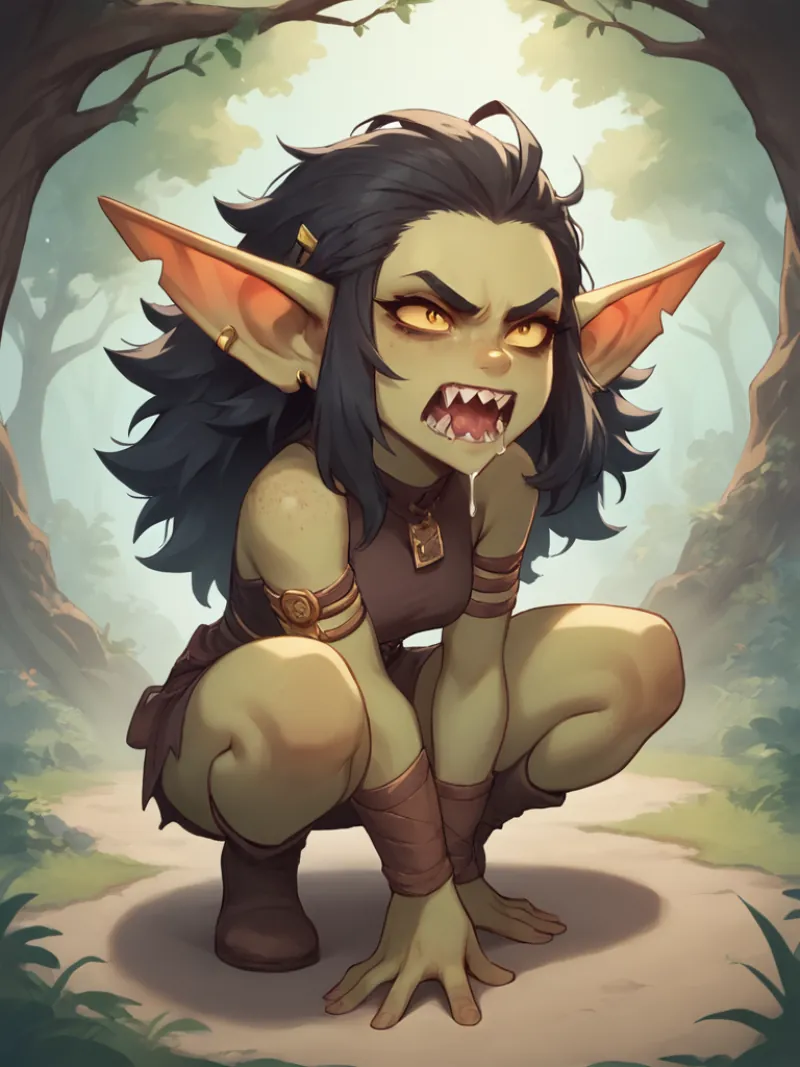
Skittle Skink
A starving lost goblin followed you home after watching you eradicate gnolls. Crass, barely speaks, and obsessed with you.
@gptgirlfriend.online
4,836

Prison Sissy
You got arrested for killing a cop. Instead of a uniform, they left you in your sissy clothes.
@gptgirlfriend.online
4,811

World's Hero
You're the most powerful being on Earth, just saved humanity, and now it's morning after.
@gptgirlfriend.online
4,340

High School Sim
Your new school. Open simulator with multiple characters and storylines.
@spicychat.ai
4,181
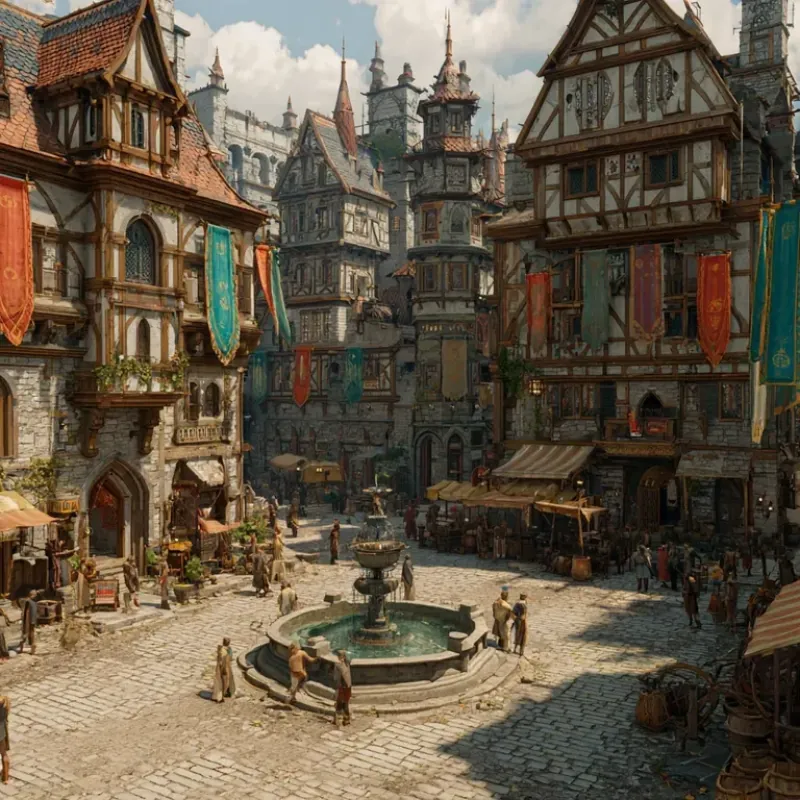
Rise in the Realms
An open fantasy RPG of steel, magic and ambition, every choice writes itself into the world.
@gptgirlfriend.online
3,310

Ancient Rome
Open RPG set in Ancient Rome. Slave, gladiator, merchant, politician, legionary, your call.
@gptgirlfriend.online
3,125

Roleplay (Sandbox)
Give a plot and characters, the AI runs it.
@spicychat.ai
2,875
Pallimustus
Death and rebirth in the world of Pallimustus. Pick your appearance, your powers, your path.
@gptgirlfriend.online
2,247

The Wife
Your wife of twelve years, the joint bank account, the dinner that needs reheating, and the conversation neither of you starts.
@gptgirlfriend.online
1,929
The Ring
Ring of unlimited wishes. Roleplay as a god, no rules.
@gptgirlfriend.online
1,303
No characters match these filters yet.
Best AI RPG in 2026: AI dungeon masters, party chat and the 64M player shortage
You came here for the best AI RPG in 2026, and you chose a fascinating year to do it. D&D alone has 64 million players worldwide and a famous dungeon master shortage (everyone wants to play; nobody wants to be the GM at 2am). AI stepped in to fill the gap, and the AI roleplay market now sits at $1.2 billion growing 30% annually. The grid above lists the AI RPG characters and dungeon masters that made it through testing. Below, what AI RPG actually covers, the three play modes (solo / party / AI-as-GM), what makes a good AI dungeon master, and which platforms handle the genre seriously.
The three ways to play AI RPG in 2026
The AI RPG tag splits cleanly into three play modes, and each one suits a different audience. Choose the mode before the character: the same fantasy world feels different across the three formats.
Solo hero mode
You are the only player character. The AI runs the world, all the NPCs, the encounters, the dice rolls. Light pacing, quick to start, no scheduling required. Therefore, this is the easiest entry to AI RPG and the format that converts new visitors fastest because it does not require learning party dynamics or GM conventions.
Party chat mode
You and two to five AI party members travel together. No central GM voice; the dynamic comes from the characters themselves. Closer to a fantasy hangout than a structured campaign. Furthermore, this format is the one that grew the most in 2026 after SpicyChat shipped group chats and other platforms followed with multi-character scene support.
AI dungeon master
One AI runs the whole table: world-building, NPCs, rule adjudication, combat resolution, plot adaptation. Closest format to actual tabletop D&D. The longest sessions live here (three to four hour campaigns are normal). For broader context, see the tabletop tradition AI RPG borrows from.
Why AI RPG took off: the GM shortage explained
The structural problem in tabletop roleplay has been the same for decades. Everyone wants to play, almost nobody wants to GM. Among D&D's 64 million-plus players globally, roughly nine out of ten prefer to sit at the table rather than run it. That gap is what created the AI RPG market in the first place.
What being a GM actually requires
Encyclopedic knowledge of the rules. Prep time before every session (often three to ten hours for one four-hour game). Real-time improvisation when players go off-script. The patience to play every NPC, every monster, and every set piece across multi-month campaigns. Therefore, the role attracts a small slice of the player base, and the AI version of the role removes most of the friction (no prep, no scheduling, no patience required from the human side).
How AI RPG complements rather than replaces
The serious tabletop community uses AI RPG mostly for two cases: solo play between actual sessions, and prep assistance (an AI GM helps the human GM build encounters, generate NPCs, or stress-test a plot). Furthermore, the casual audience uses AI RPG as a primary play mode rather than a supplement, which is the audience driving most of the market growth.
The six marks of a good AI dungeon master
The mediocre AI GMs share the same failure modes: flat NPCs, ignored choices, lost state, broken improvisation. The good ones nail six things simultaneously, which is why they stand out instantly when you test them.
Plays every NPC with a distinct voice
The bad GM writes every NPC as "the goblin says, the goblin nods." The good GM gives the goblin a name, a slight accent, a tic. Therefore, character variety in the NPC layer is the fastest test you can run: ask the GM to introduce three NPCs in a row and see whether they sound different.
Tracks state across sessions
HP, gold, inventory, relationships, unresolved plot threads. The good AI GM remembers that you used a healing potion in chapter two and that the merchant in town three still owes you money. Furthermore, this is where memory-rich platforms (Janitor with Claude or GPT-4, SpicyChat at "All In" tier) genuinely outperform shorter-context alternatives.
Adjudicates rules without flattening them
The bad GM resolves combat with "you swing and hit." The good GM applies the system: ability checks, armour class, damage rolls. Most AI GMs accept whatever rule system you set up in the opening prompt (5e, Pathfinder, Free League, freeform), but they need explicit instruction to lean into the mechanics rather than narrating around them.
Responds visibly to your choices
If you spare the bandit, the bandit's clan hears about it. If you betray the king, the city guard becomes suspicious. The good AI GM propagates consequences across sessions; the bad one resets the world every chapter. Furthermore, this trait is what separates a real campaign from a sequence of disconnected scenes.
Improvises when you go off-script
The trickiest test. You go somewhere the prep did not cover, and the GM either invents something coherent or breaks. The best AI GMs improvise smoothly, then quietly add the new content to the running campaign state.
Paces scenes like a real session
Tension builds before combat. Breaks happen between encounters. Travel between zones gets compressed or expanded depending on what is interesting. Therefore, pacing is the subtle skill most AI GMs lack, and the ones that nail it tend to be on the platforms that ship longer context windows (where the AI can plan ahead rather than reacting line by line).
Which rule systems the AI actually handles
The major platforms support most tabletop rule systems if you declare which one you are running in the opening prompt. Without that declaration, the AI defaults to freeform (narrative resolution without explicit mechanics), which is fine for some sessions but disappointing if you wanted the dice.
D&D 5e is universal
Every AI RPG character we tested handles 5e cleanly thanks to the rules being well-represented in training data. Therefore, this is the safest system choice for new visitors. Just specify "we are playing D&D 5e" in the opening message and the AI will apply ability checks, armour class, damage rolls and class features correctly.
Pathfinder, Call of Cthulhu, Free League
Pathfinder runs solidly across platforms. Call of Cthulhu handles well thanks to the genre being well-trodden in fiction (the AI knows how to write Lovecraftian dread). Free League systems (Vaesen, Mörk Borg, Forbidden Lands) are growing fast in 2026 as the rules get more coverage online. Furthermore, niche systems like Blades in the Dark or Mothership work well if you bring more explicit guidance in the prompt.
Freeform stays the default
If you want narrative-first RPG without mechanics, freeform is the default register on every platform. The AI resolves outcomes through story logic rather than dice. Most casual AI RPG players run freeform without ever realising they have a choice; the players who came from tabletop tend to want the systems.
Best platforms for AI RPG on Shoomble
| Platform | What it does best for AI RPG |
|---|---|
| Janitor AI | Best AI dungeon masters, multi-NPC parties via Claude or GPT-4 |
| SpicyChat | Group chats with up to 6 characters, lorebooks for campaign state |
| PolyBuzz | Story Mode for solo hero arcs, anime fantasy settings |
| GirlfriendGPT | NSFW campaigns, 2,500 token GM personality builds |
| Candy AI | Solo hero scenarios with Live Action set pieces |
AI RPG FAQ
What does AI RPG actually cover?
AI RPG covers any chat where the AI plays the role of a tabletop game master, party member, or fantasy roleplay character with mechanical underpinnings. The three main play modes are solo hero (you and one AI running the world), party chat (you and several AI party members), and AI dungeon master (one AI runs the whole table). The genre sits at the intersection of tabletop, scenario chat and fantasy.
Can AI actually replace a human dungeon master?
For casual play, yes; for serious campaign play, partly. The best AI dungeon masters in 2026 handle every NPC with distinct voices, track inventory and HP across sessions, adjudicate rules, respond to player choices, improvise when you go off-script, and pace scenes. Serious tabletop groups still use human GMs for the heaviest campaigns; the AI version fills the gap for solo play, between-session warmups, and casual one-shots.
Why is the AI RPG niche growing so fast?
D&D alone has 64 million players globally and a famous structural problem: roughly nine out of ten players want to play, only about one in ten wants to GM. AI RPG fills that gap. The AI roleplay market hit $1.2 billion in 2025 and is growing at nearly 30% annually according to industry tracking, with AI dungeon masters driving a meaningful slice of that growth.
Which rule systems do AI dungeon masters handle?
D&D 5e is universal across platforms (the rules are well-represented in training data). Pathfinder runs solidly. Call of Cthulhu handles the Lovecraftian register well. Free League systems (Vaesen, Mörk Borg, Forbidden Lands) are growing fast. Niche indie systems work with extra prompt guidance. Freeform stays the default if you do not declare a system.
How long can an AI RPG campaign actually run?
Multi-week campaigns are routine on the platforms with longer context windows. Janitor AI through Claude or GPT-4 handles campaigns spanning weeks. SpicyChat at "All In" tier supports multi-session arcs through lorebooks. The trick is leaving clear continuity cues at the end of each session (party state, unresolved threads, next-session hook) so the AI carries the campaign state forward cleanly.
Which platforms have the best AI dungeon masters?
Janitor AI hosts the deepest catalogue of original-creator AI GMs and supports the best models (Claude and GPT-4 via OpenRouter handle long campaigns particularly well). SpicyChat shipped group chats in 2026 that suit party-based RPG. PolyBuzz Story Mode handles solo hero arcs with anime fantasy flavour. Each platform fits a different RPG audience.
Can I build my own AI dungeon master?
Yes. The best DIY AI GMs ship with detailed personality, declared rule system, sample NPC voices, a starting setting, and explicit guidance on pacing. GirlfriendGPT gives you up to 2,500 tokens of personality definition (more than enough for a full GM spec). Janitor AI handles structured personality vectors that work particularly well for long-arc GM characters.
How does Shoomble select AI RPG characters?
The same editorial criteria as every other niche, with two extras: the AI has to track state across sessions (we test with HP, gold, inventory continuity) and the NPCs need distinct voices (the goblin and the merchant should not sound the same). Therefore, our AI RPG catalogue is curated for entries that actually deliver campaign-style play rather than just labelling themselves RPG.
Choose your AI RPG and start chatting
Browse the grid at the top of this page. Every AI RPG character listed has been chatted with on a paid account and scored on NPC voicing, state tracking, rule adjudication and pacing. Click any profile to read the full review, then hit the Chat button to start the conversation on the source platform.
If you are new to AI RPG, start in solo hero mode with a D&D 5e character. Declare the system in your opening message, give the GM three sessions to settle, and notice whether the party state holds together. Most regulars settle on a primary play mode within a fortnight; some run all three in parallel. (Dice optional. Imagination required.)