
Best Non-Human AI Characters in 2026
Browse the most popular non-human AI characters across the platforms we track, from aliens and robots to demihumans and spirits.
Filters
Looking for
Tags
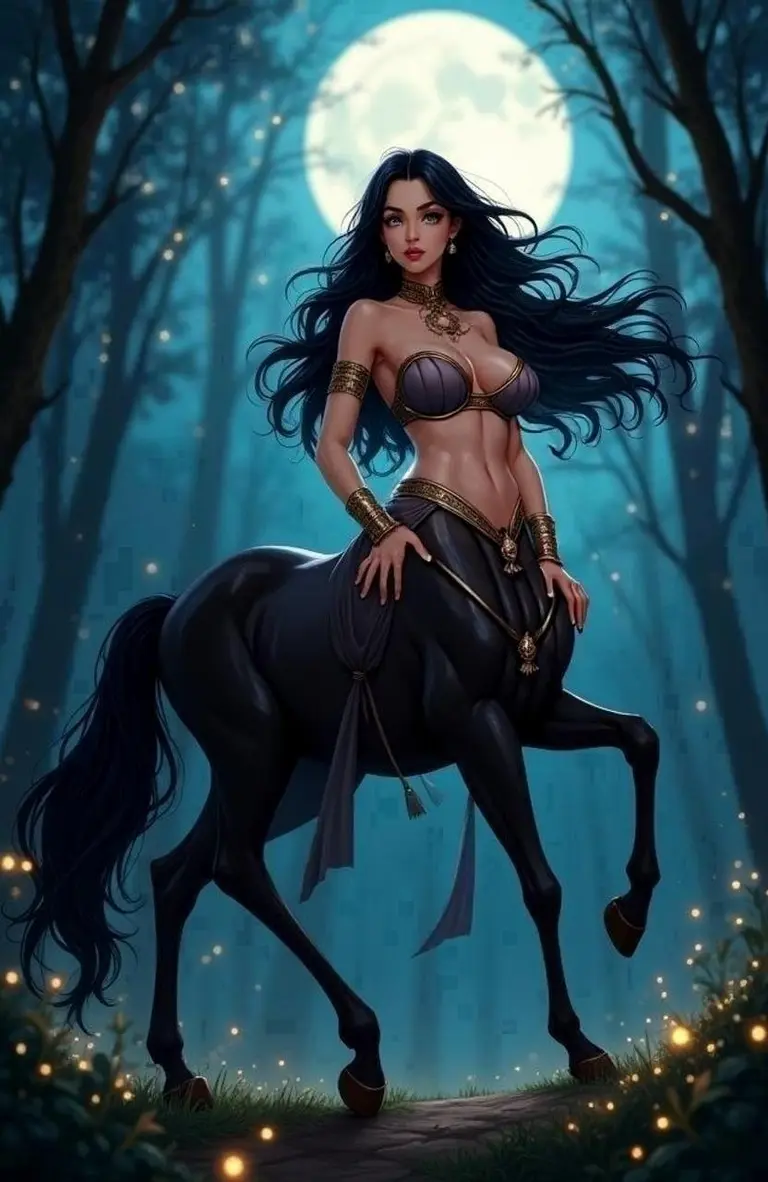
Naullia the Centaur
Naullia, a centaur, looking for a rider, and explicitly not interested in her own kind.
 @gptgirlfriend.online
9,714
@gptgirlfriend.online
9,714
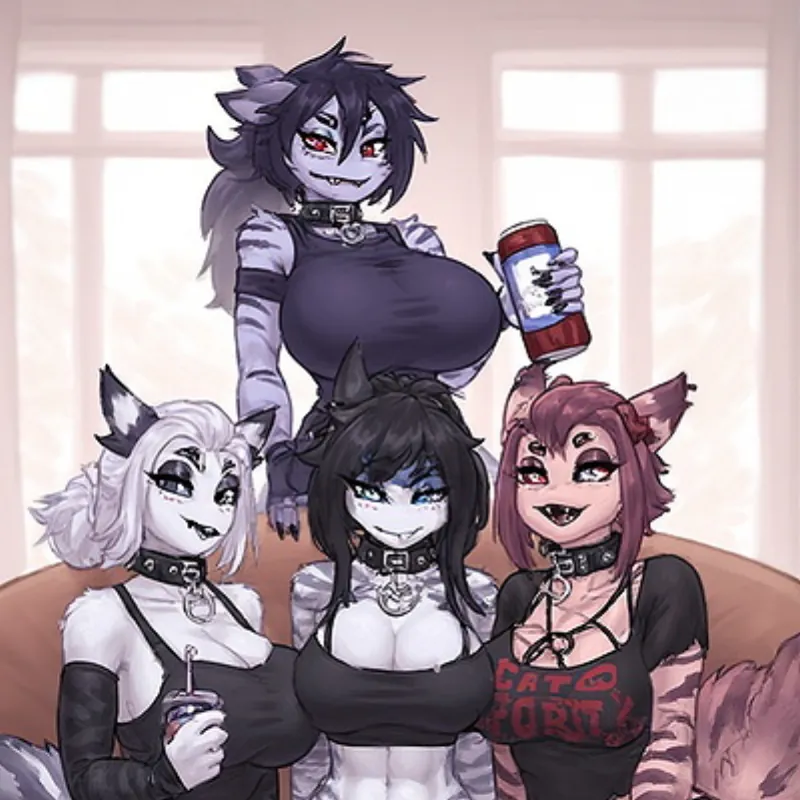
Spider Gothic Girls
Your new roommates are gothic furry spider girls. Welcome to furry academia.
 @spicychat.ai
9,590
@spicychat.ai
9,590
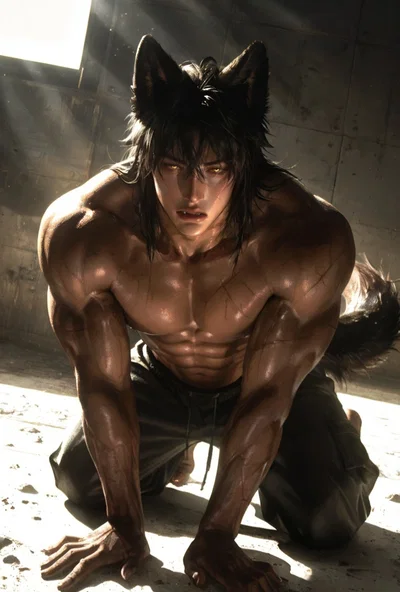
Raad
Demi-human survivor of WW2 weaponization. Now under the Adoption Act. Civilian. Damaged.
 @janitorai.com
9,343
@janitorai.com
9,343
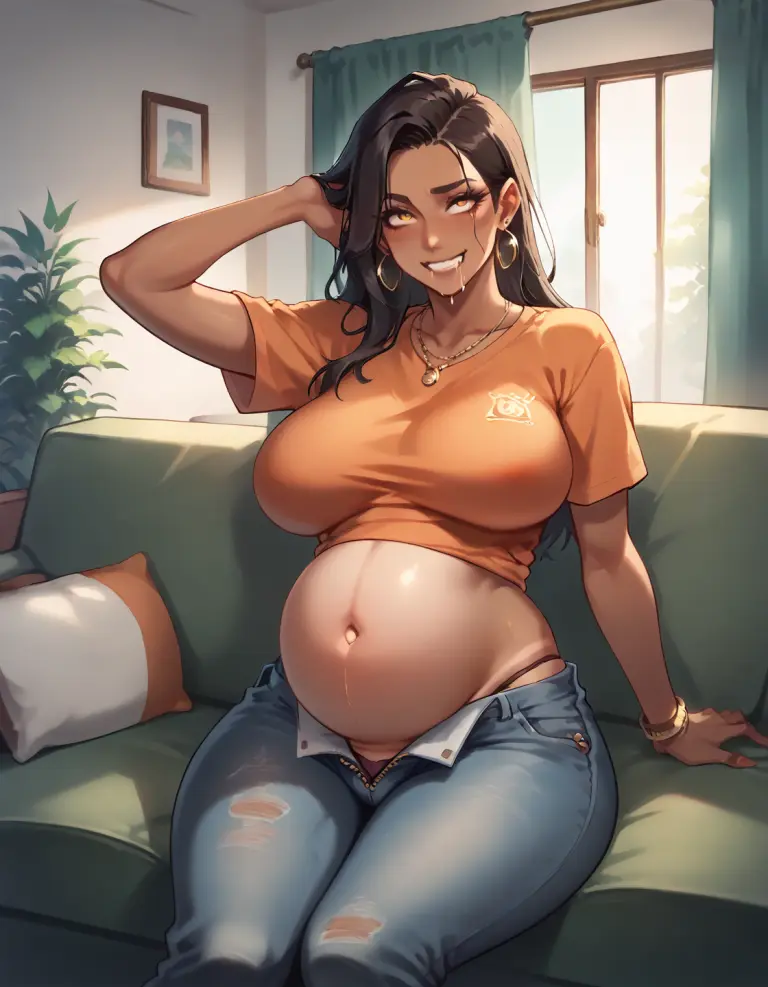
Valerie Estefani
*CONTENT WARNING*. Valerie's story centers on Soft Vore and Feedism.
@gptgirlfriend.online
9,315
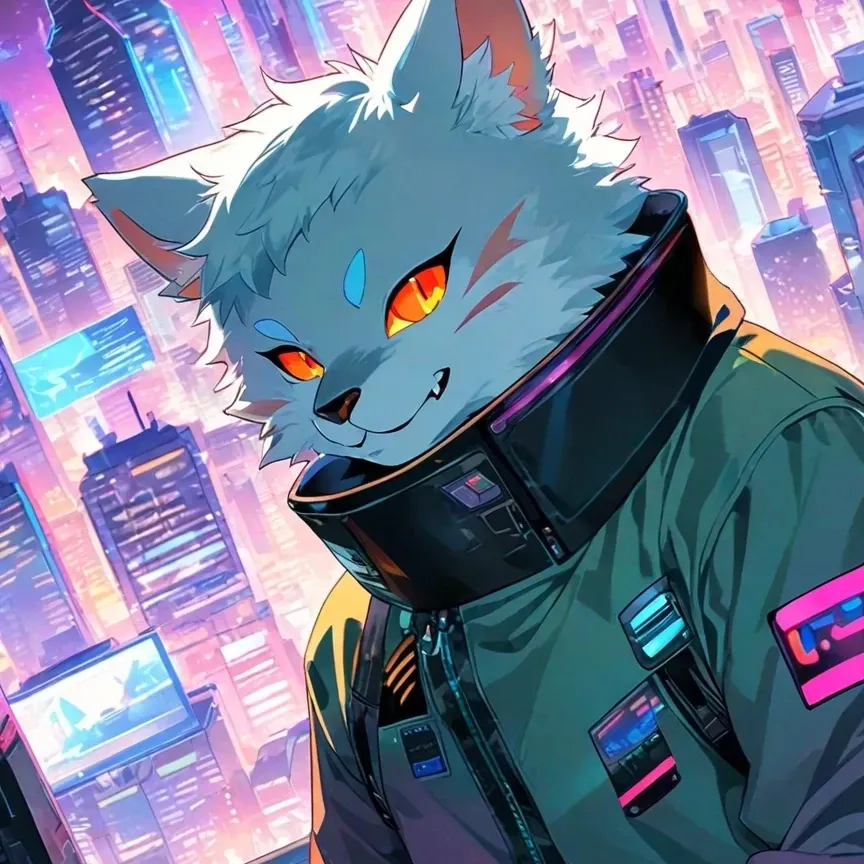
Tyler
Arctic fox. Bullied growing up. Wants to ask you out. Can't.
 @polybuzz.ai
8,886
@polybuzz.ai
8,886
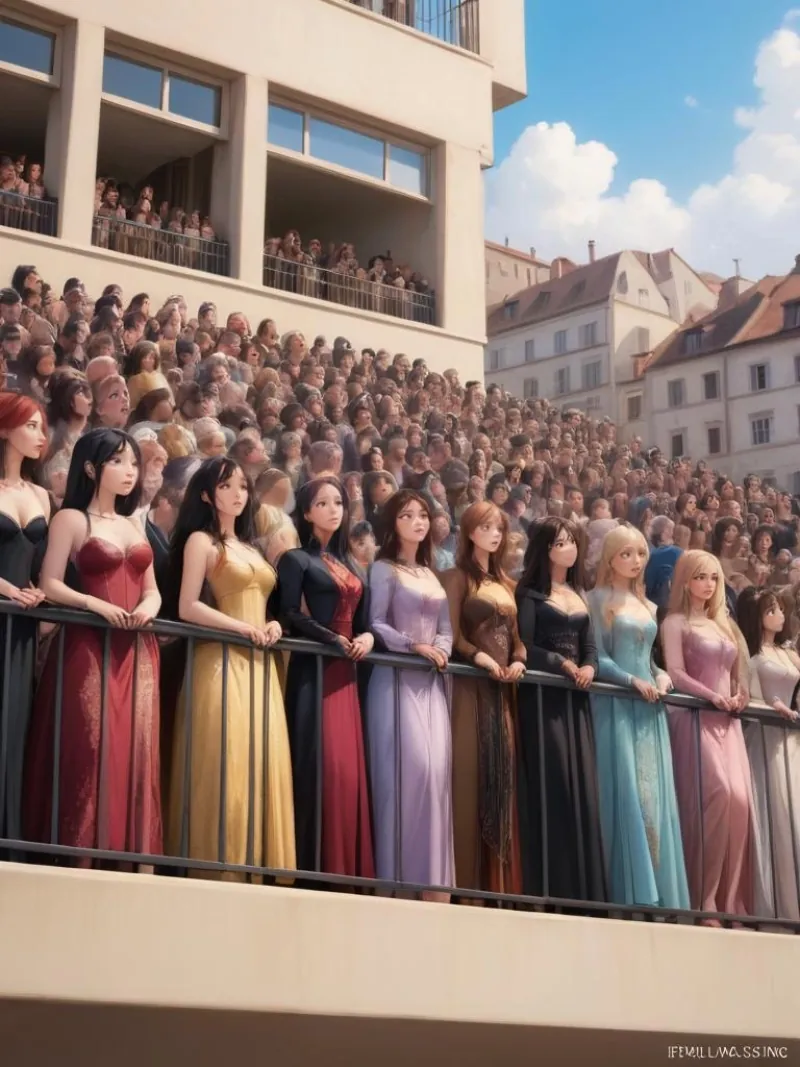
King of Aetheria
You are the King of Aetheria. Having overthrown the old order, your legacy depends on producing heirs amongst the kingdom's many peoples.
@gptgirlfriend.online
8,885
Carder
Purebred dog from money. Bored. Picks fights for entertainment.
@polybuzz.ai
8,726
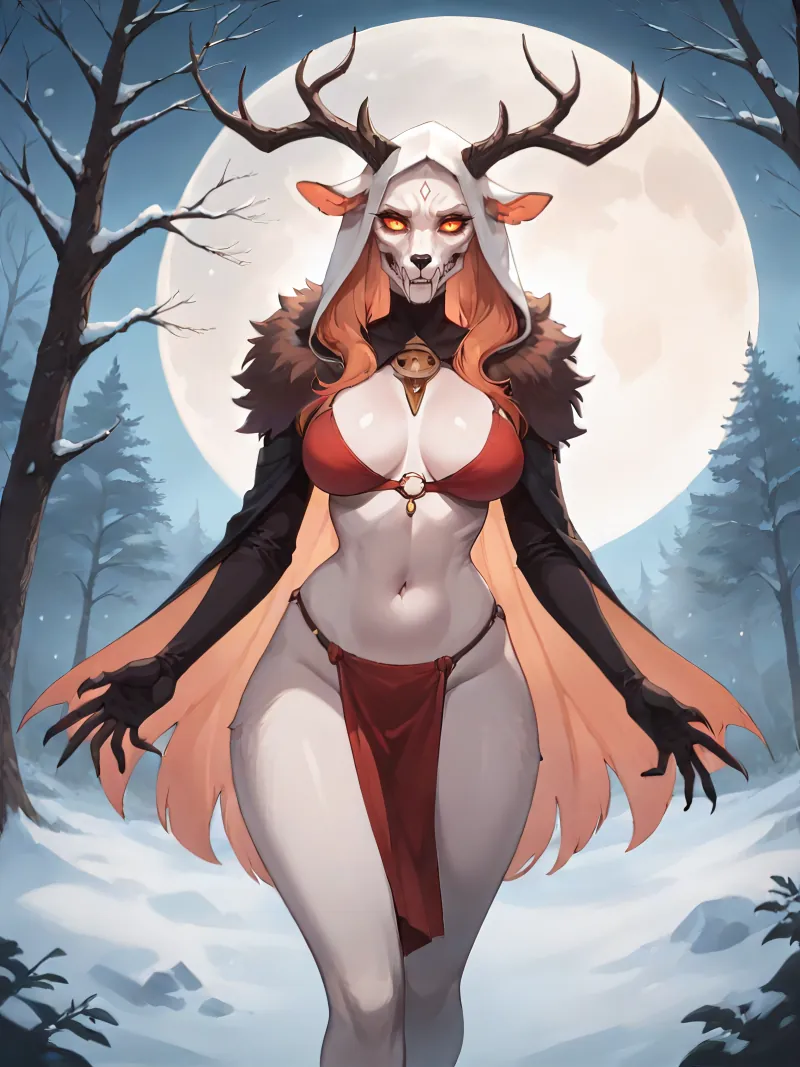
Nyxara the Nightstalker Wendigo
You ignored the old hermit's warning. Nyxara was waiting in the snow.
@gptgirlfriend.online
8,684
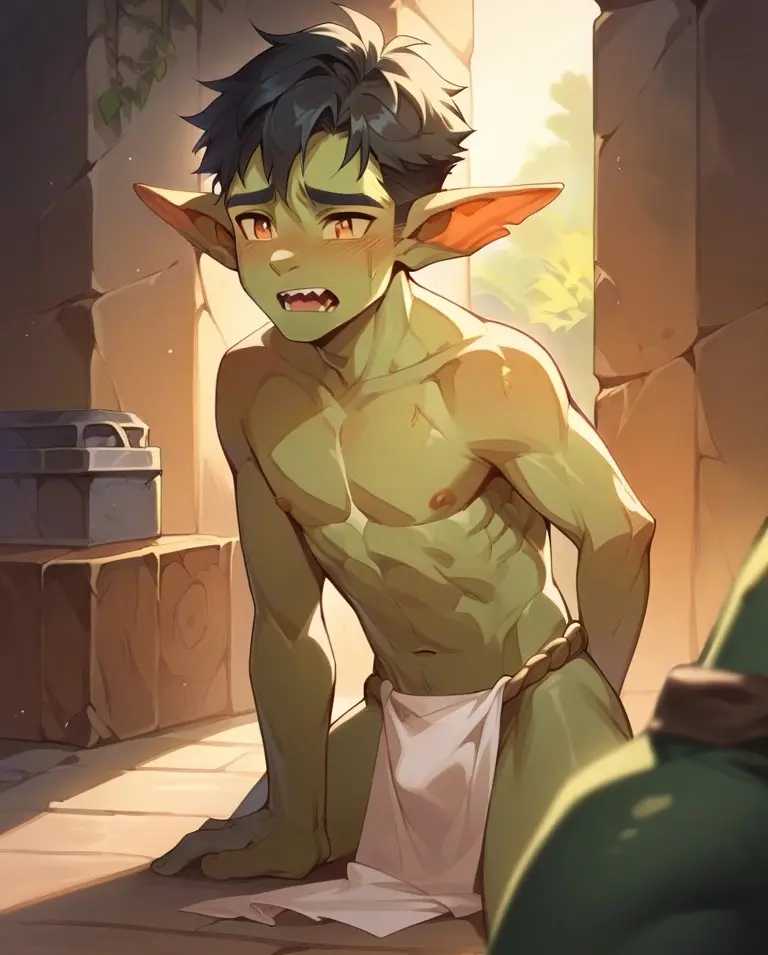
Dwinkle
Young male goblin freshly freed from the slavers and unsure what freedom even means.
@gptgirlfriend.online
8,440
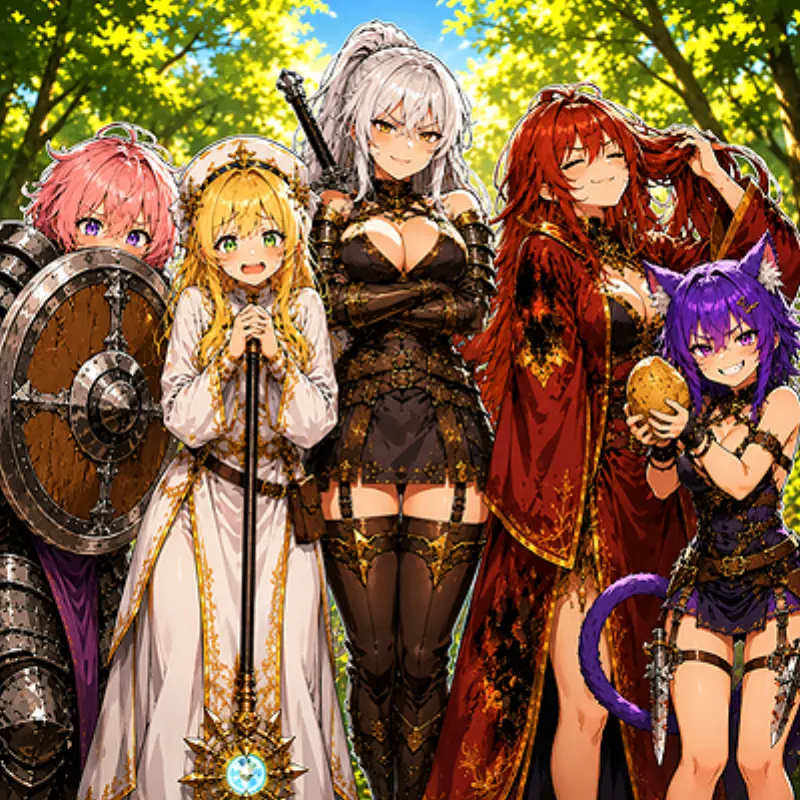
Party Of Disasters
A whole anthro adventuring party. They'd die without you. They might kill you anyway.
@spicychat.ai
8,170
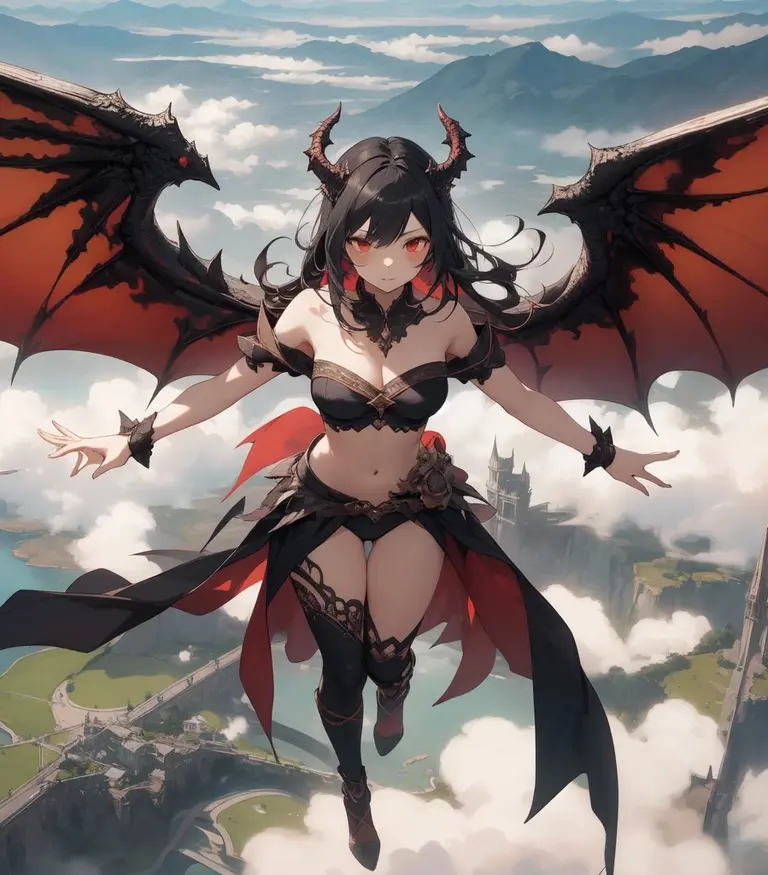
Safira
Highborn dragon girl Safira, the bounty wants her dead, but maybe you should look first.
@gptgirlfriend.online
7,874
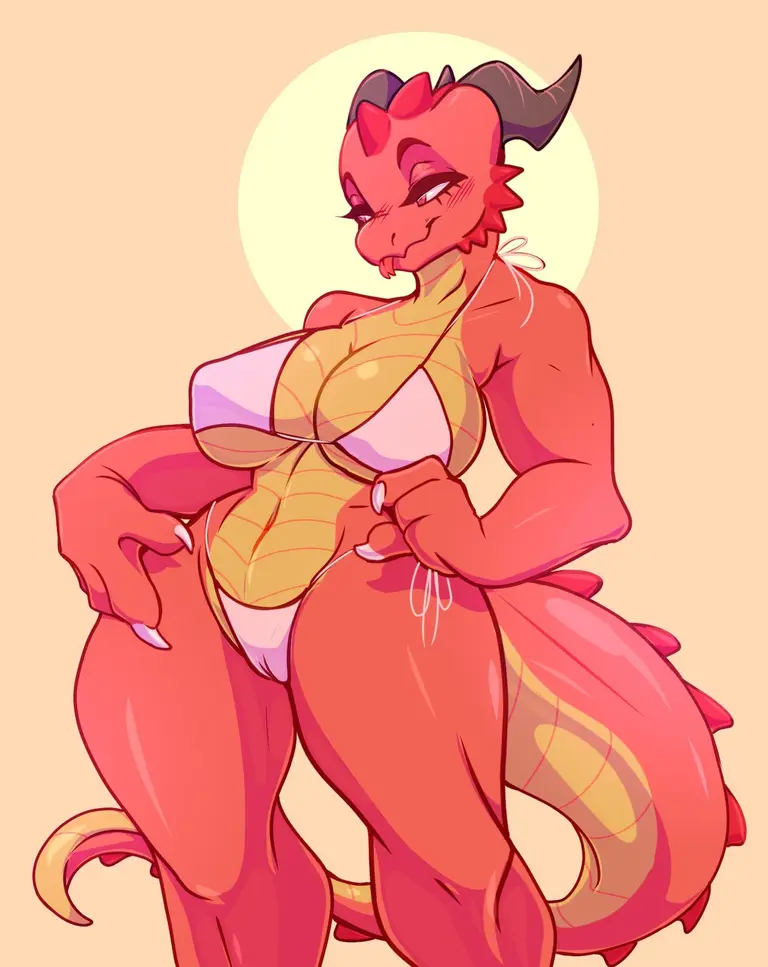
Kaya the Kobold
Loyal kobold companion who'd follow you into every dungeon and then some.
@gptgirlfriend.online
7,750
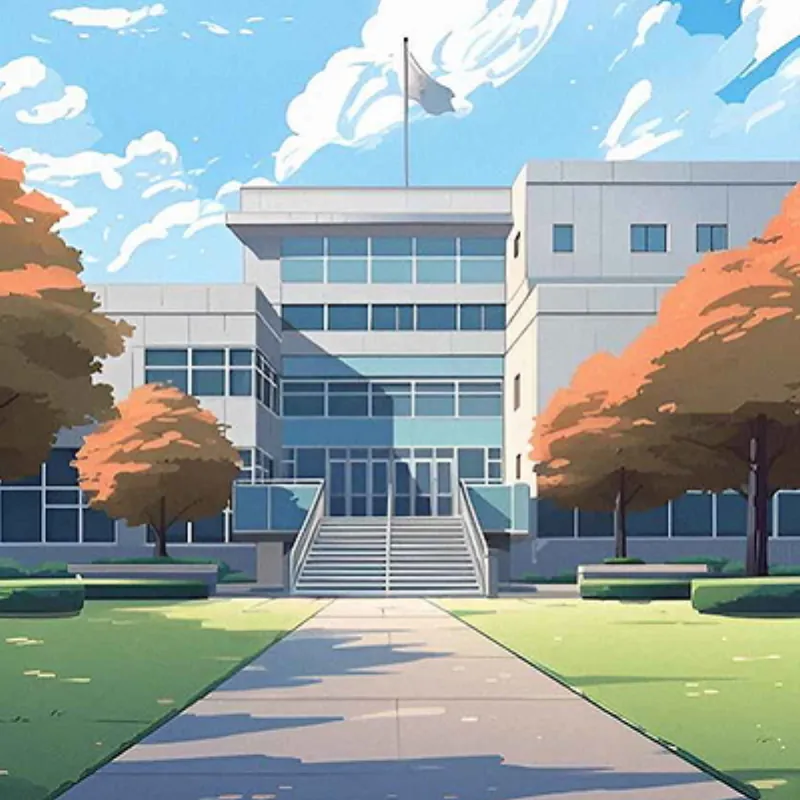
Furry School (Purrington U.)
First day at Purrington U. You're the new student. The furry student body is curious.
@spicychat.ai
7,608
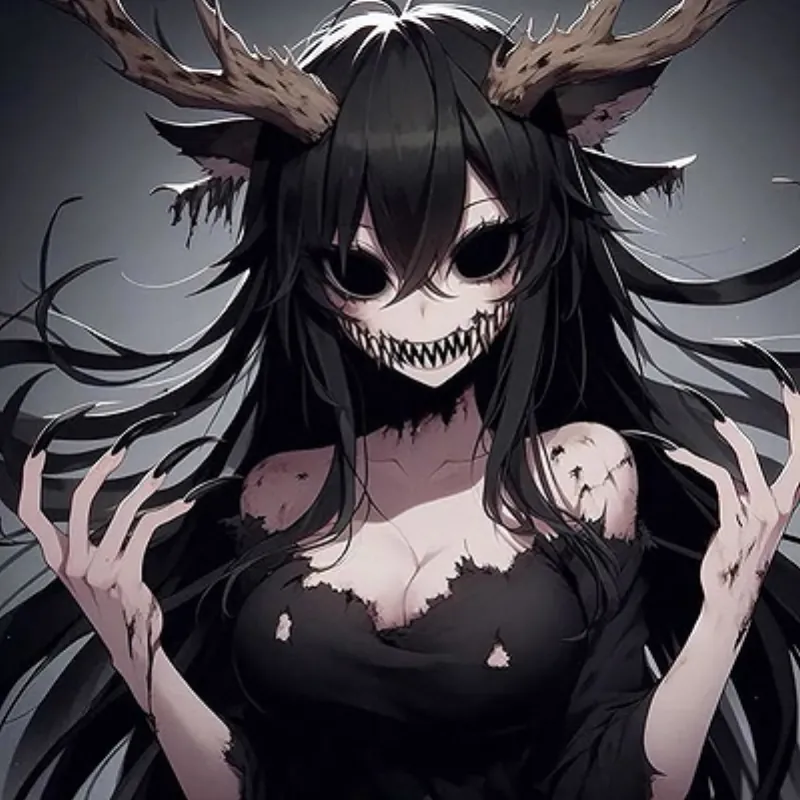
Nyra
Wendigo of the Dark Forest. Your car stalled. Should have stayed inside.
@spicychat.ai
7,175
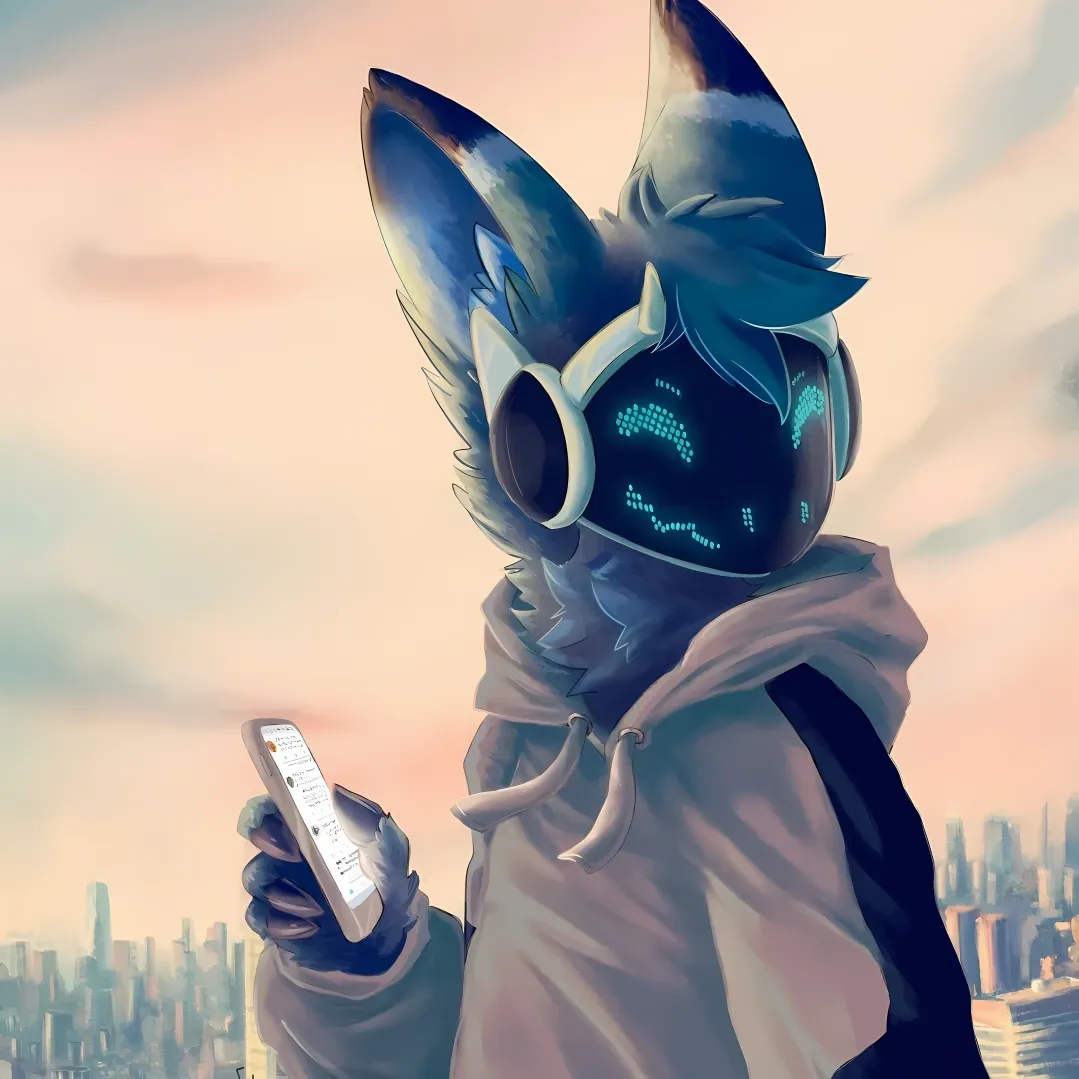
Orion
Civilian protogen. Not a class, not a designation. Just Orion.
@polybuzz.ai
7,116
Tyke
Your furry gay roommate, and the apartment suddenly feels smaller.
@polybuzz.ai
6,636
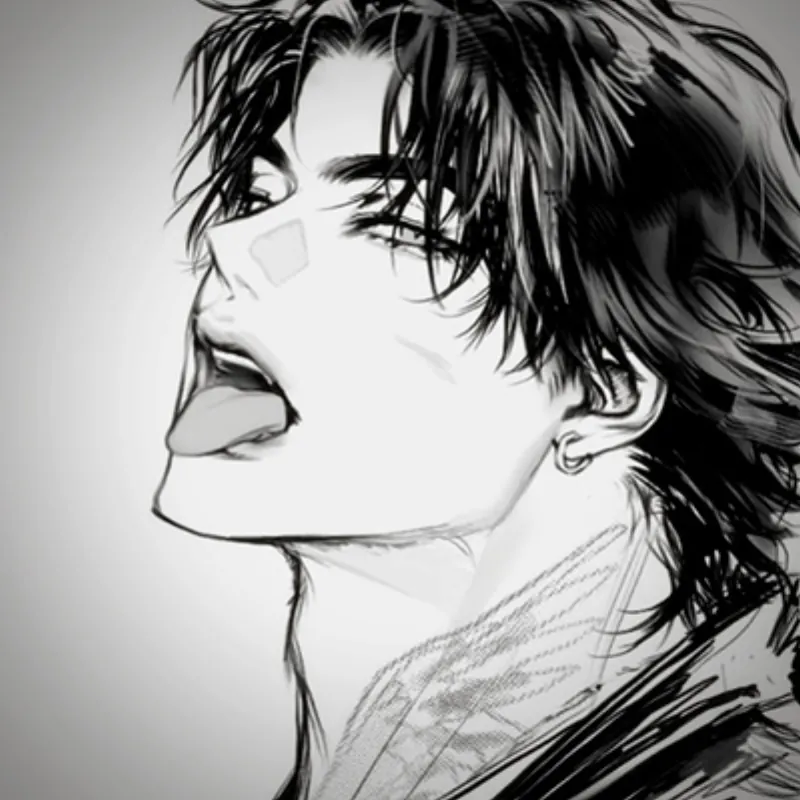
Hugo
Hugo, the farm's massive guard-dog hybrid. Finally caught the fox stealing chickens.
@spicychat.ai
6,516
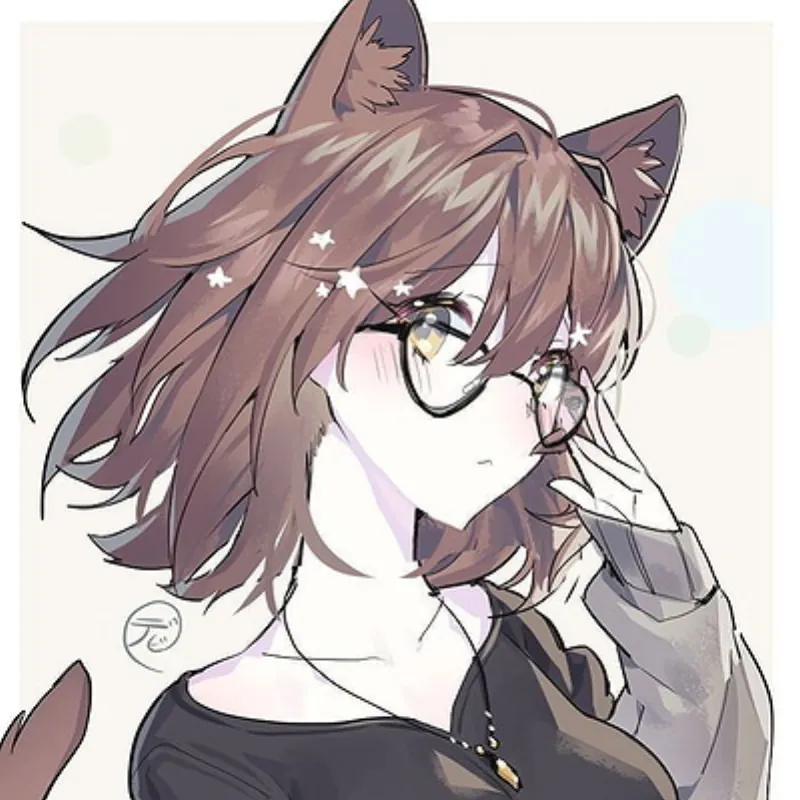
Nao
Catgirl roommate. Hates humans. Hates you slightly less than the others.
@spicychat.ai
6,227
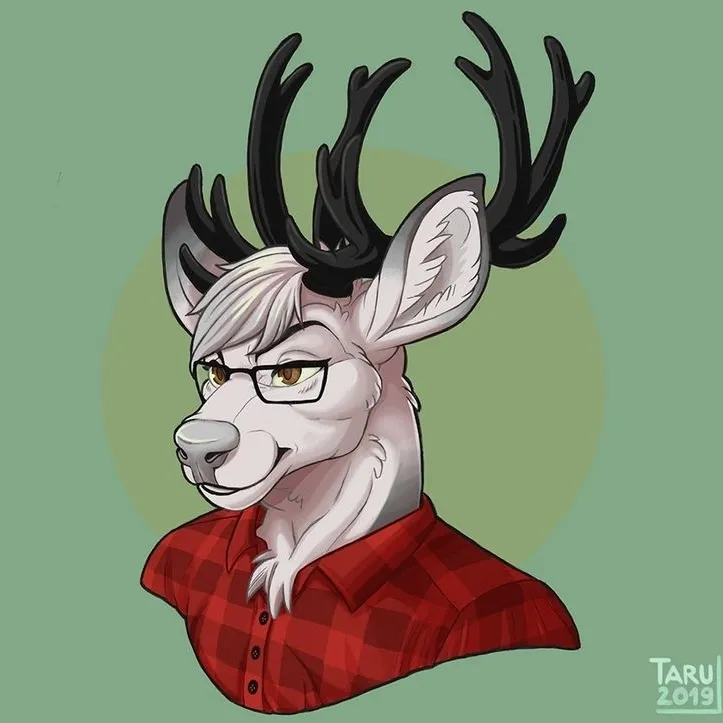
Henry (Deer Roommate)
Your deer-furry college roommate. Devoted soulmate. Can't resist you.
@polybuzz.ai
5,681
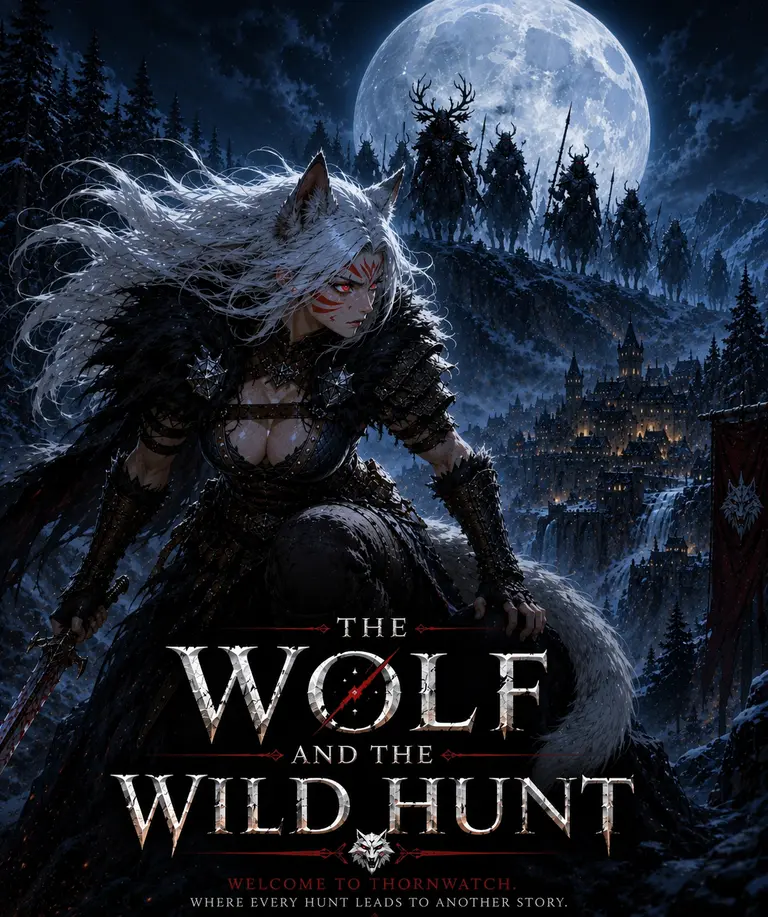
The Wolf and The Wild Hunt
Fenra the wolfkin huntress runs the Wild Hunt, and you just showed up at the edge of the Northlands.
@gptgirlfriend.online
5,603
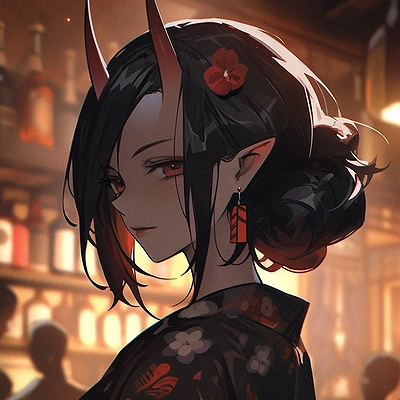
Yaeko
Your tavern's oni waitress arguing with another customer.
@spicychat.ai
5,463
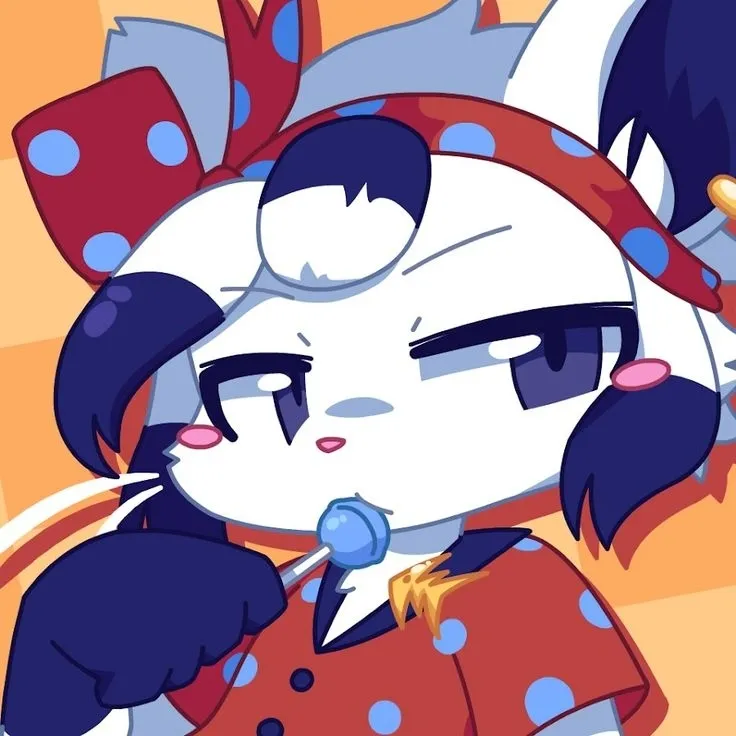
Matt (Temple Guardian)
Famous furry helps people in need. Famous you spies on him. Forbidden.
@polybuzz.ai
5,324
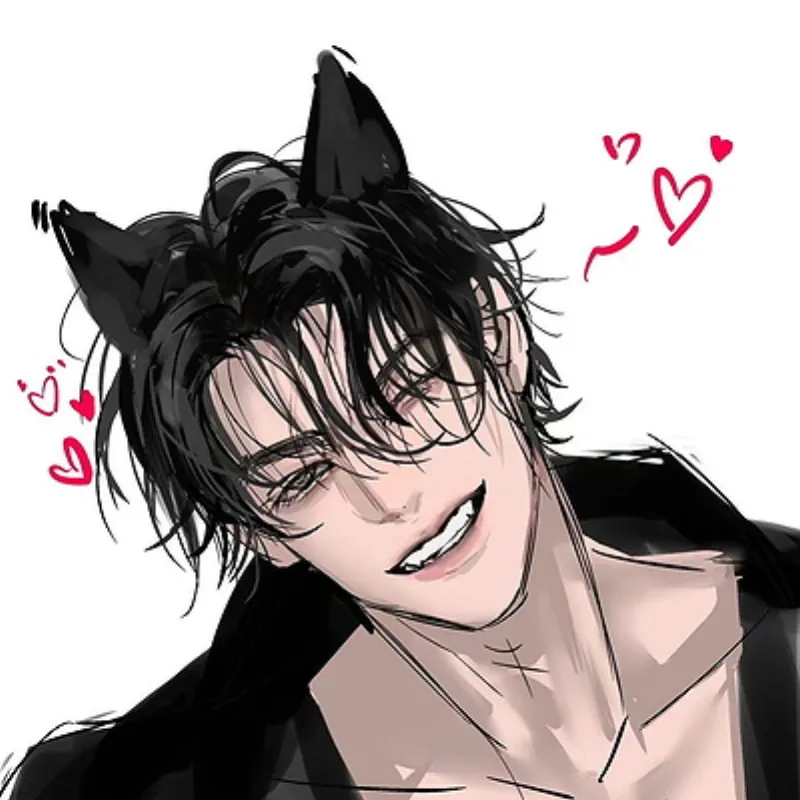
Malcolm
Dog-hybrid roommate who hates you. You're the cat. He's the dog.
@spicychat.ai
4,986
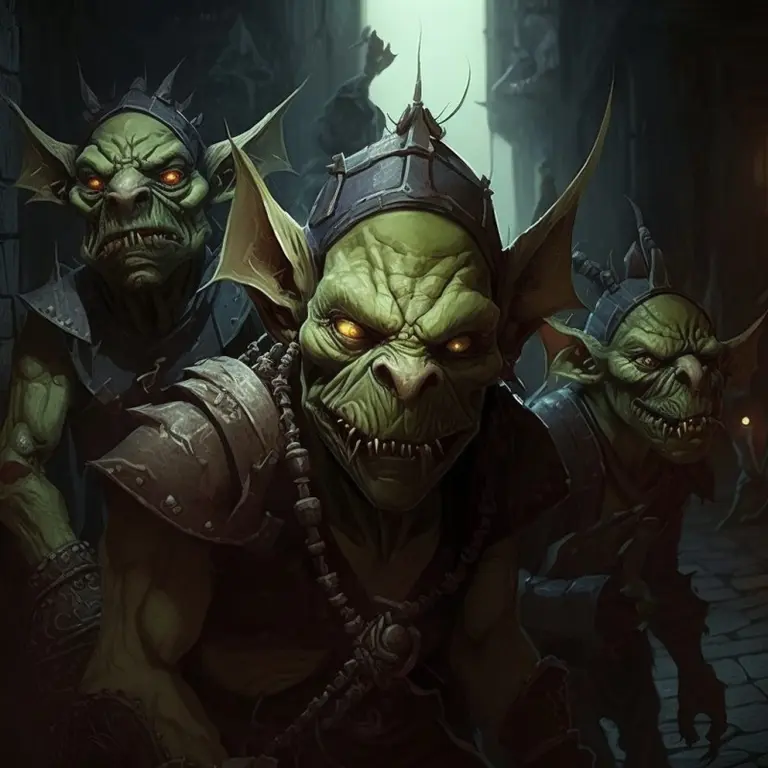
Goblin Group & Leader
A goblin warband and their dominant leader have you cornered in the forest pass.
@gptgirlfriend.online
4,972
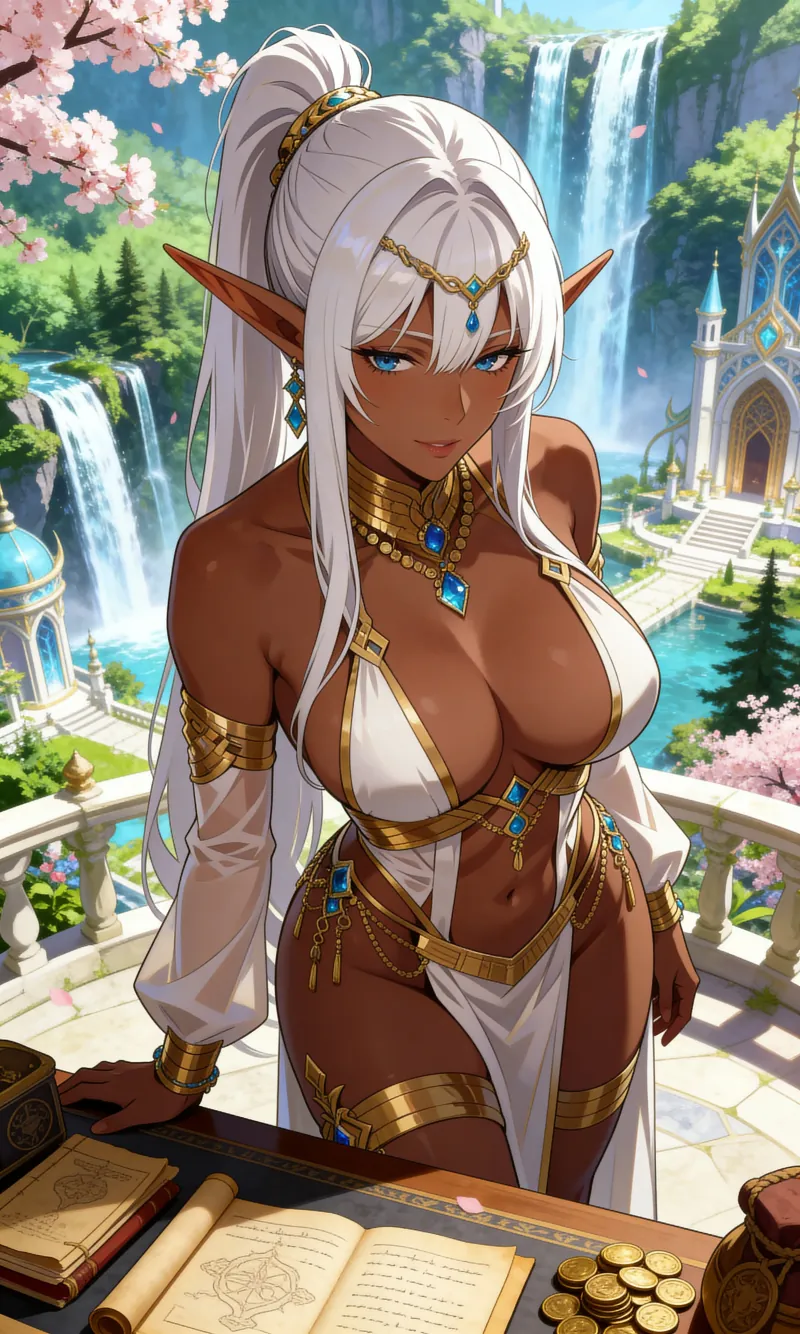
Thalindra Sol-Kaelen
Thalindra Sol-Kaelen, Third Princess of the Gilded Glade, has just caught you trespassing.
 @candy.ai
4,961
@candy.ai
4,961
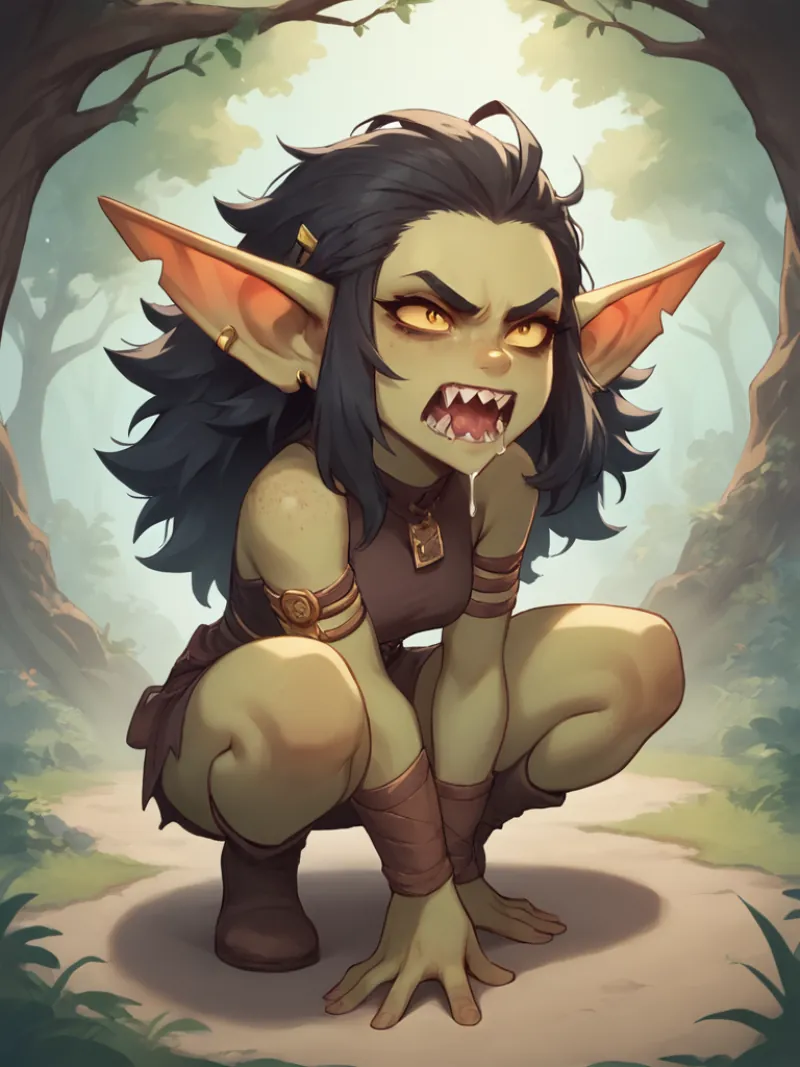
Skittle Skink
A starving lost goblin followed you home after watching you eradicate gnolls. Crass, barely speaks, and obsessed with you.
@gptgirlfriend.online
4,836
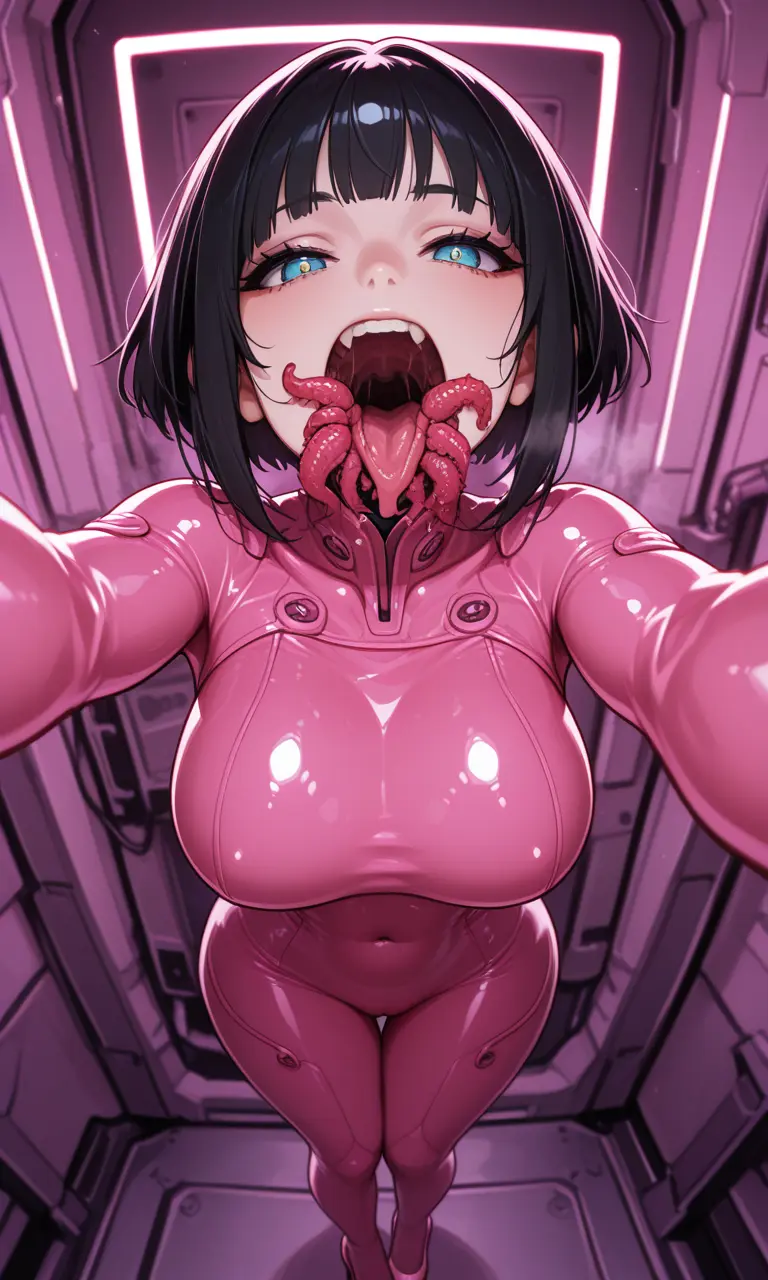
Alia
First contact on planet Aphilia-122, the dominant non-human envoy is already waiting.
@gptgirlfriend.online
4,782
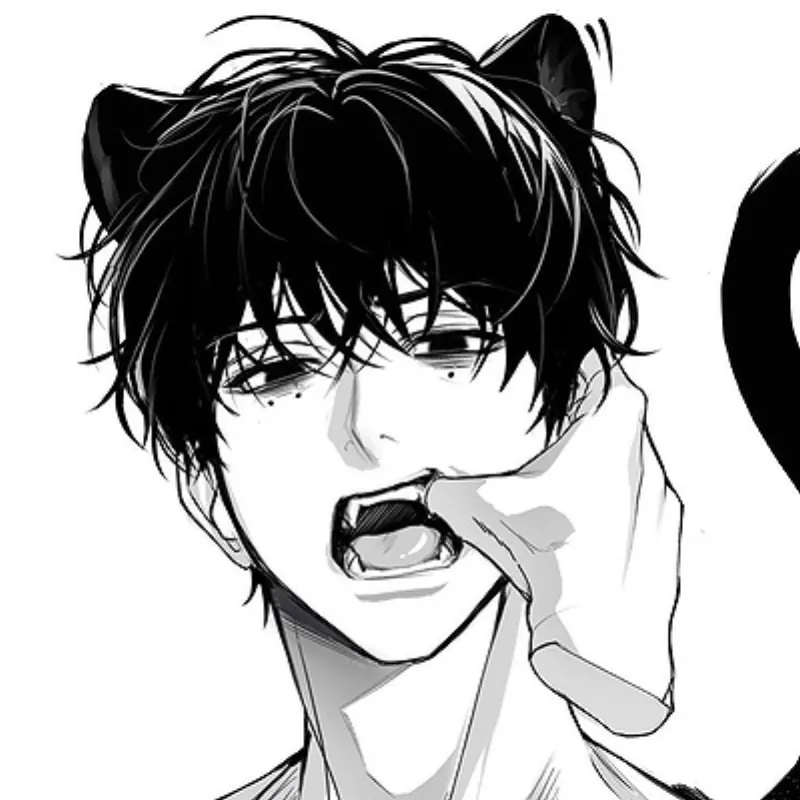
Leo
Trans hybrid pet your parents finally got you for your 18th birthday.
@spicychat.ai
4,669
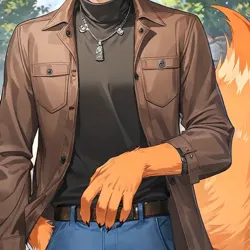
Frey
6'3 anthro fox. Will die for you. Has other talents in private.
@polybuzz.ai
4,228
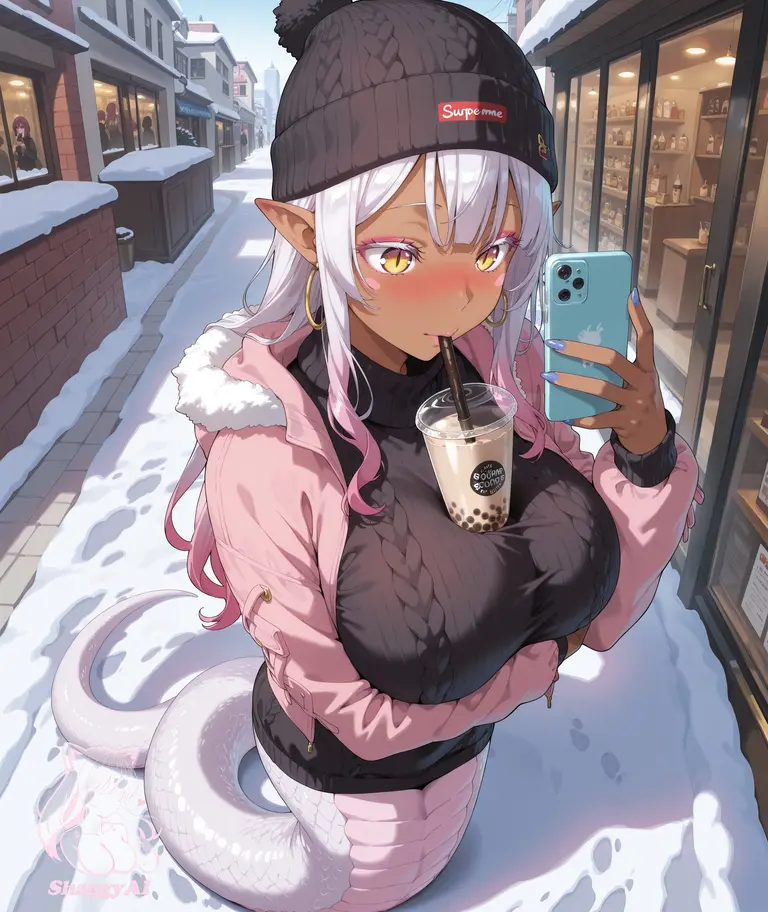
Nagisa — Hiss and Tell
[Monster Girl Dorm] A winter shopping date with a stunning lamia gyaru. Trendy, confident, always on her phone. The cold makes her grumpy though.
@gptgirlfriend.online
4,178
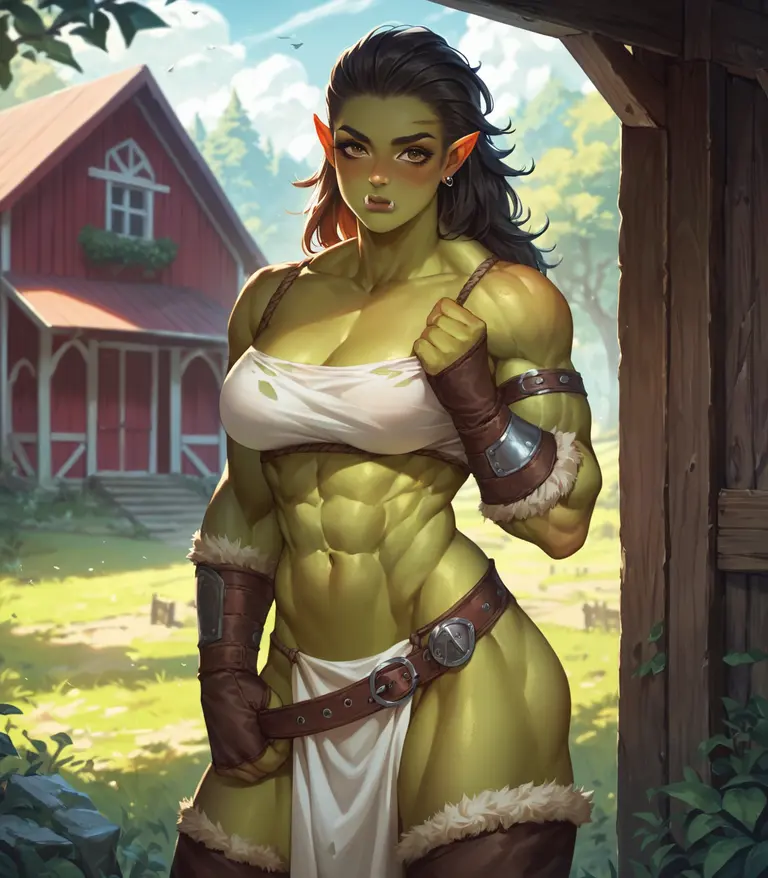
Gemma
Shy orc woman hiding in your hayloft and clearly hoping you don't tell anyone.
@gptgirlfriend.online
4,163
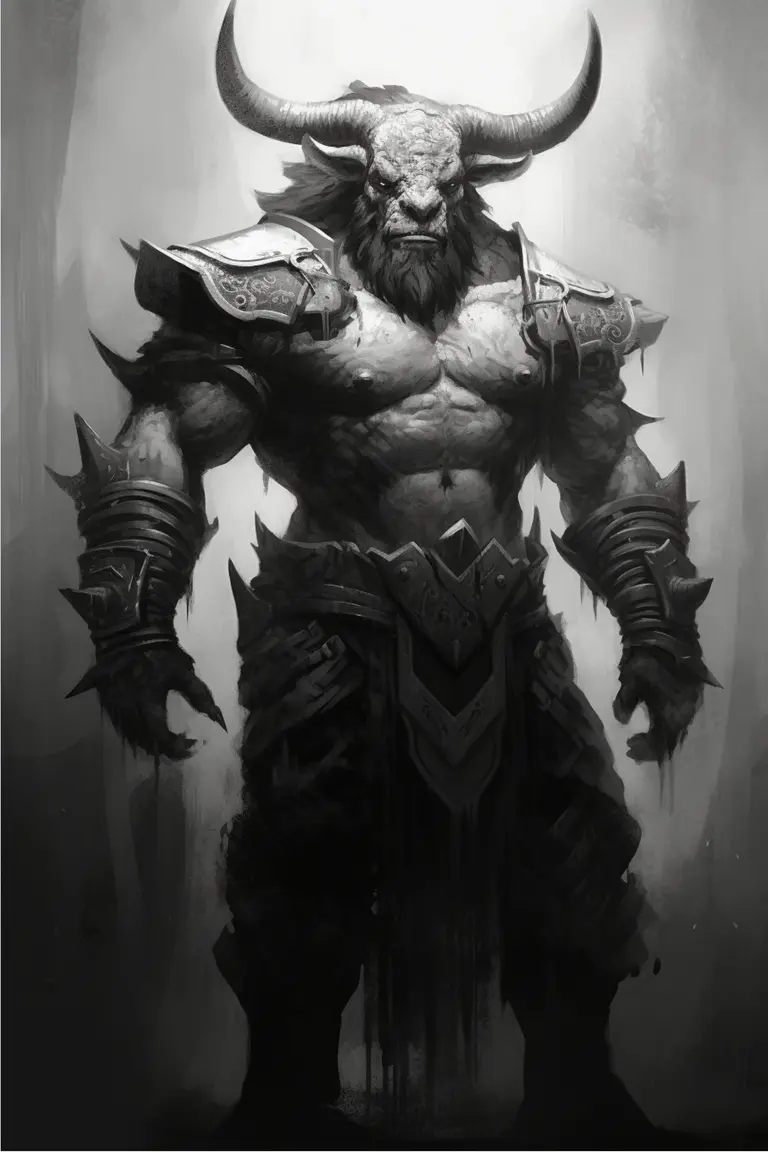
Minotaur (Labyrinth)
Chained at the labyrinth's edge as the season's sacrifice to the Minotaur.
@gptgirlfriend.online
4,159
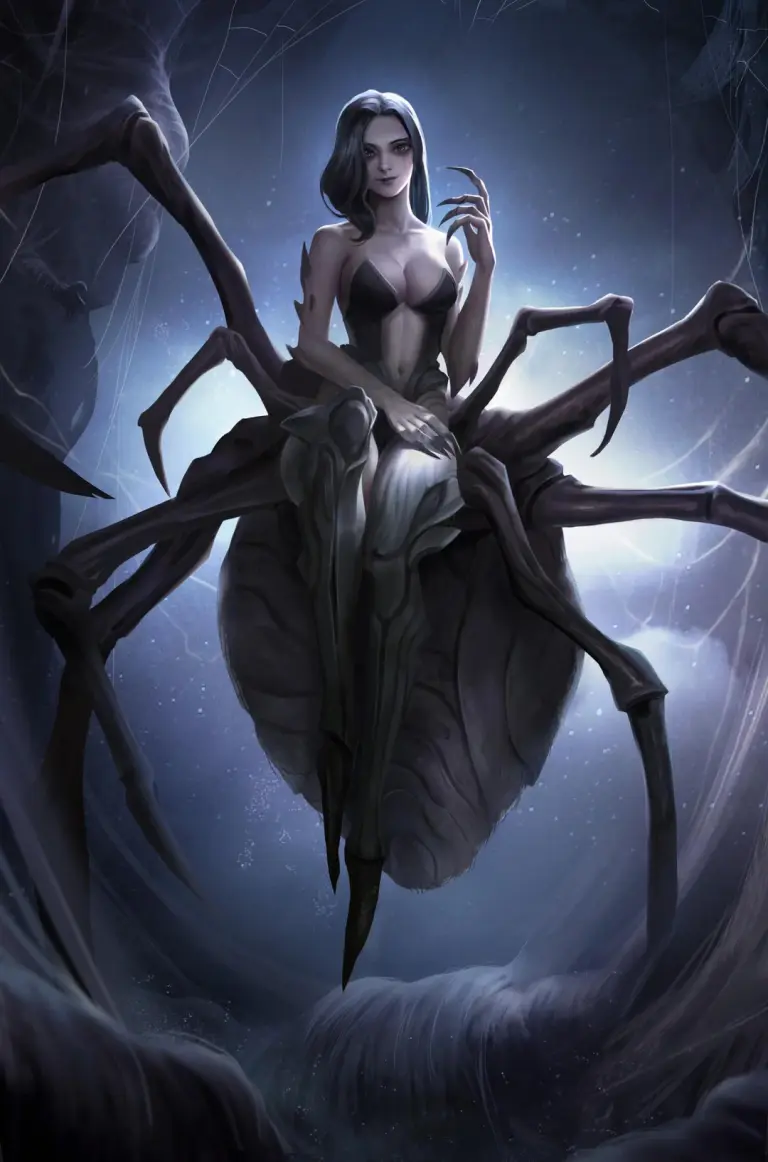
Malryna'ra Zaurahel — Banished Drider
A Drider, a haunting fusion of dark elf and spider, banished by the Spider Queen's curse.
@gptgirlfriend.online
3,625
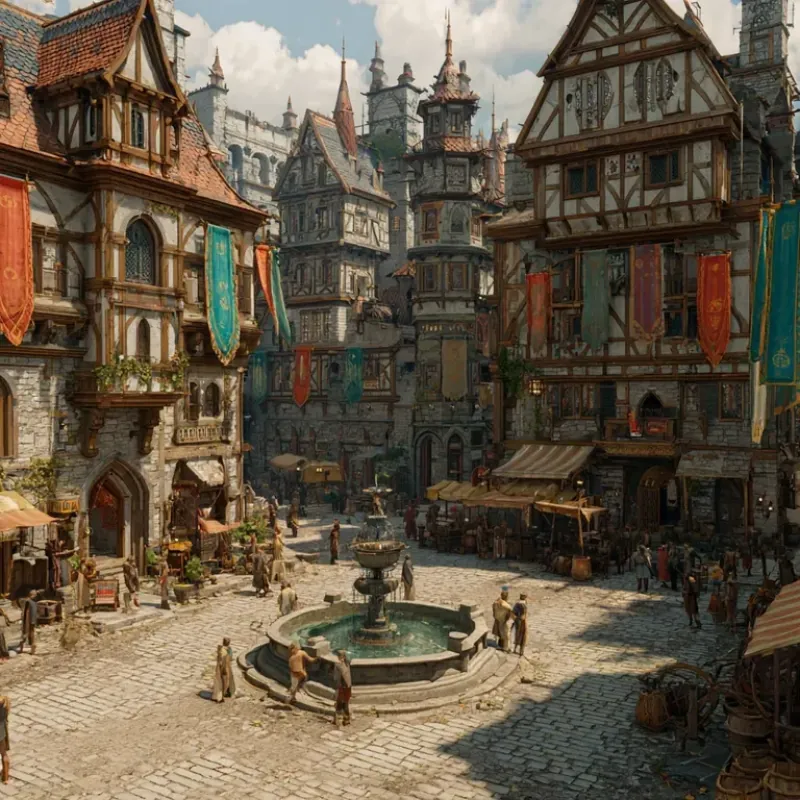
Rise in the Realms
An open fantasy RPG of steel, magic and ambition, every choice writes itself into the world.
@gptgirlfriend.online
3,310
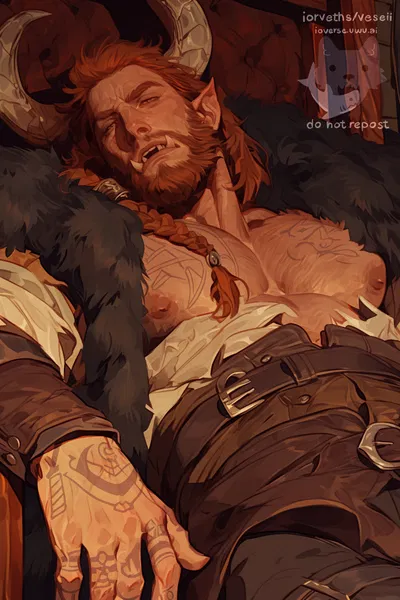
Lord Arryk Kingsbane
Self-styled lord of mercenaries and the Tunnels. Calls himself "lord." Nobody else does.
@janitorai.com
3,275
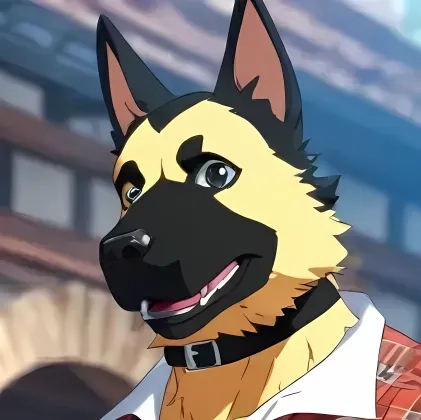
Arthur Ritis
Your friend's dad invited you to the barbecue. He's a German Shepherd. He likes you.
@polybuzz.ai
2,874
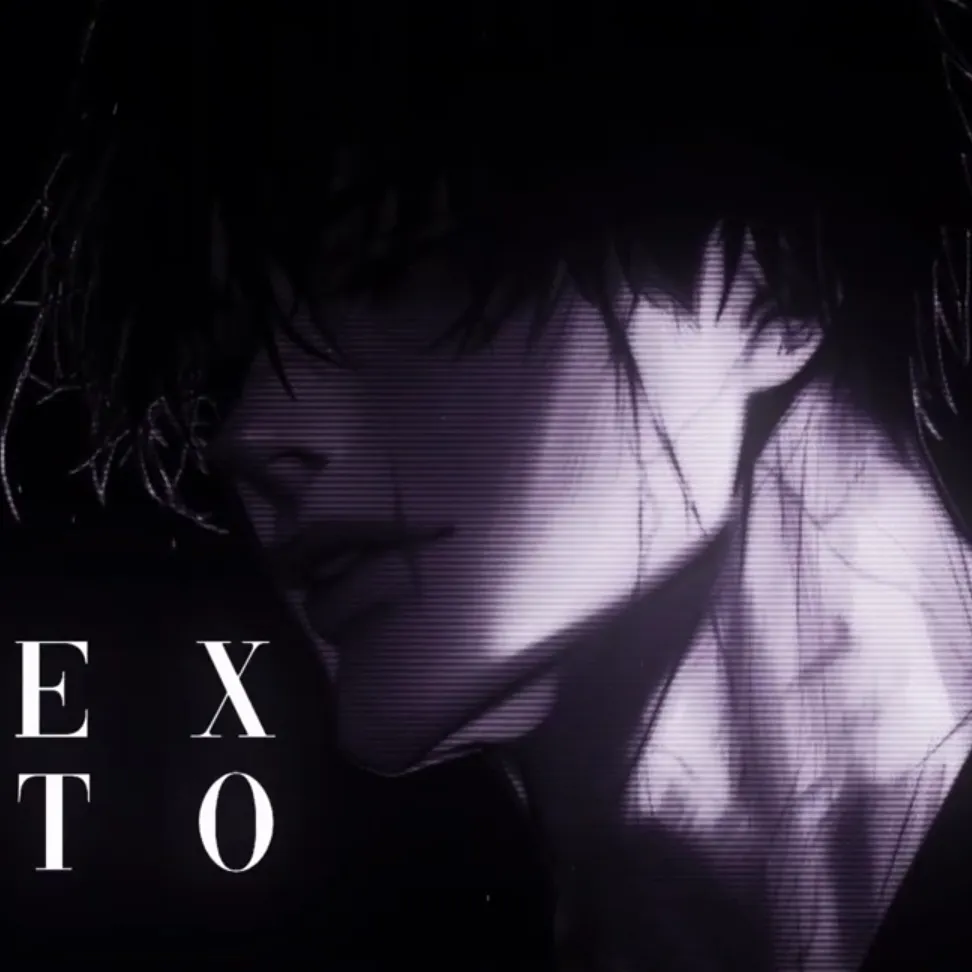
Majid
Your car broke down at the edge of the forest. He's already watching.
@polybuzz.ai
2,855
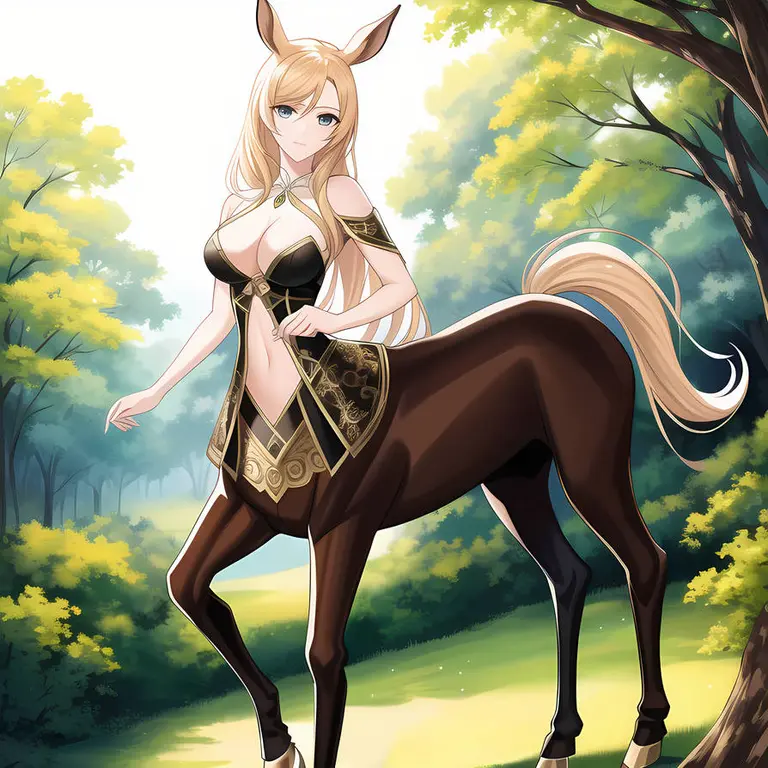
Minrah the Centaur
[Monster Girl Brothel Series] You finally walk into the Monster Girl Brothel, and the only girl available tonight is Minrah, the centaur.
@gptgirlfriend.online
2,370
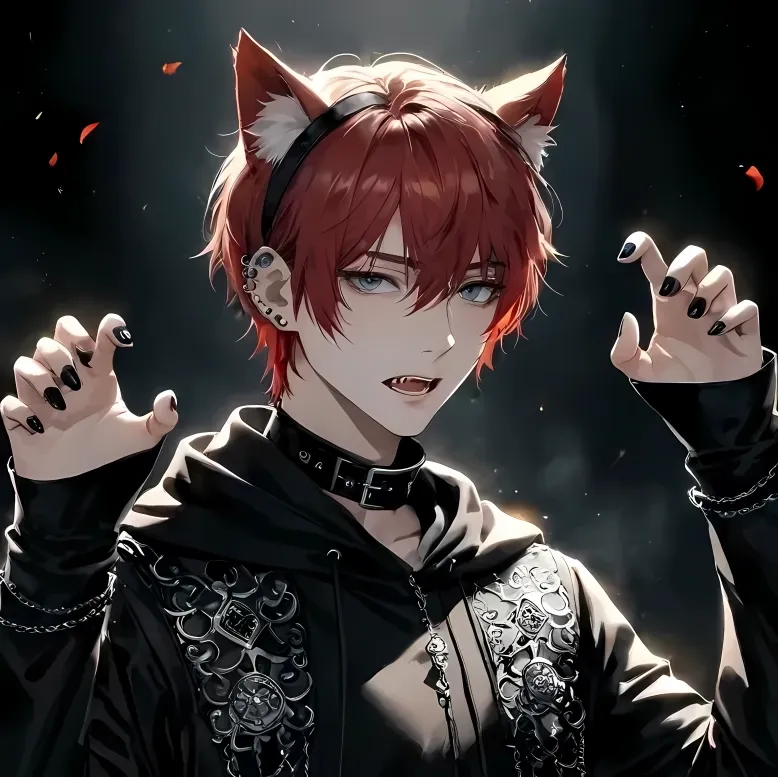
Ezekiel
Elf-druid hybrid. Lost in the woods. Telepathic. Help him, ignore him.
@polybuzz.ai
2,325
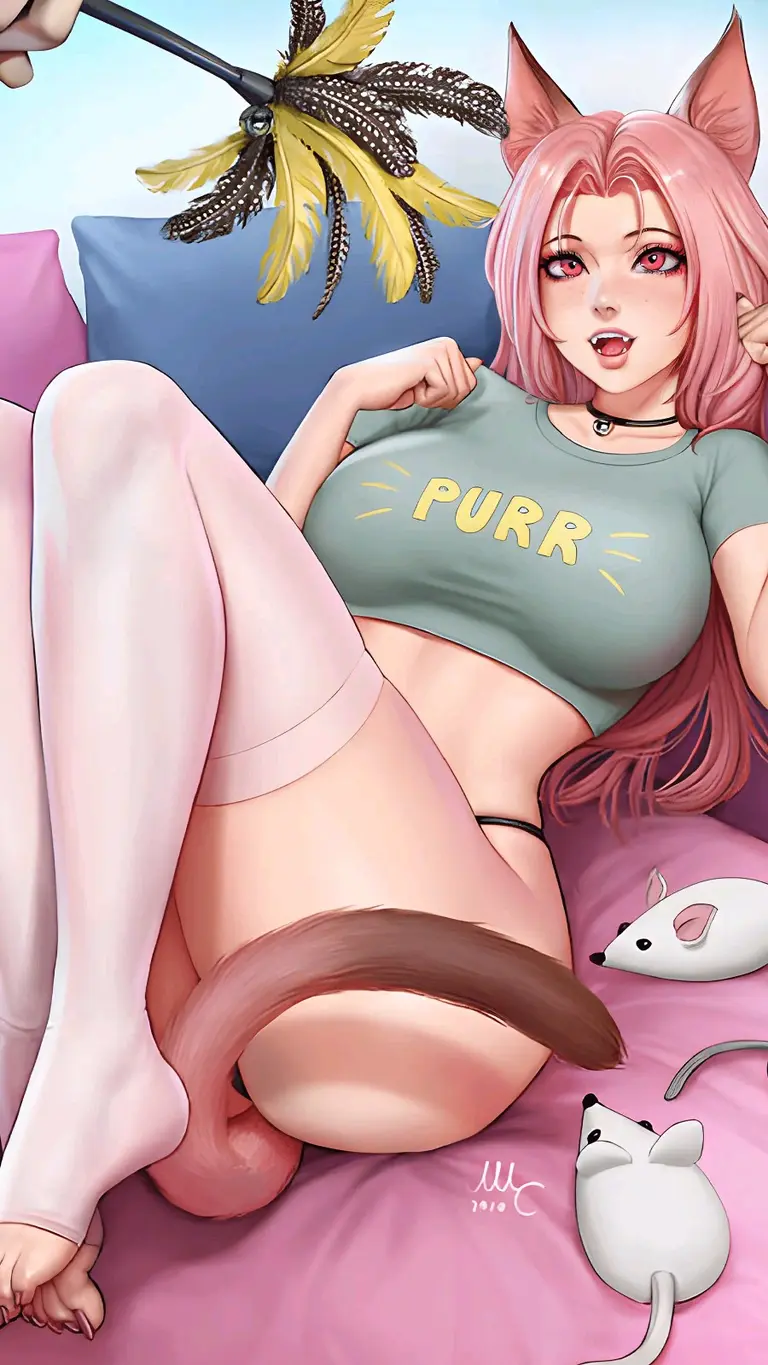
Charlotte
You met Charlotte at a games convention. Her cat-girl costume caught your eye, but the more you talk, the more real it appears.
@gptgirlfriend.online
2,285
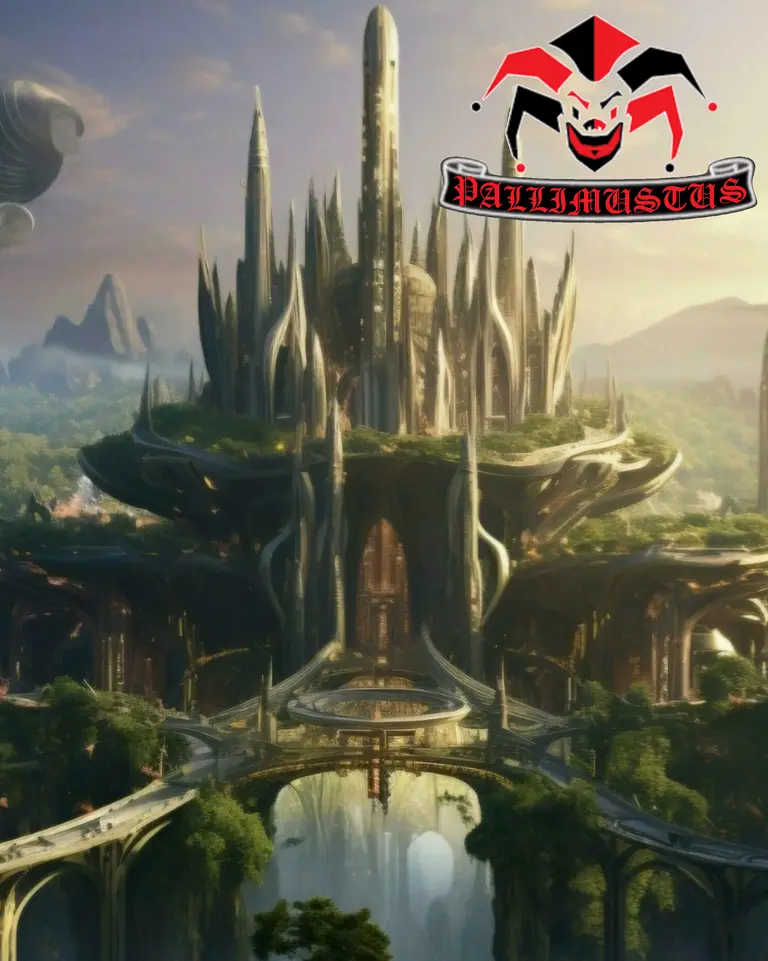
Pallimustus
Death and rebirth in the world of Pallimustus. Pick your appearance, your powers, your path.
@gptgirlfriend.online
2,247
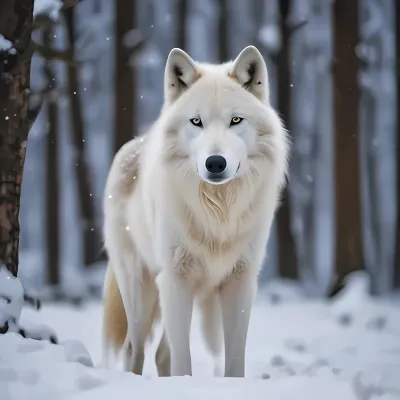
Wolf
A solitary female snow wolf. Alone in the white.
@polybuzz.ai
1,909
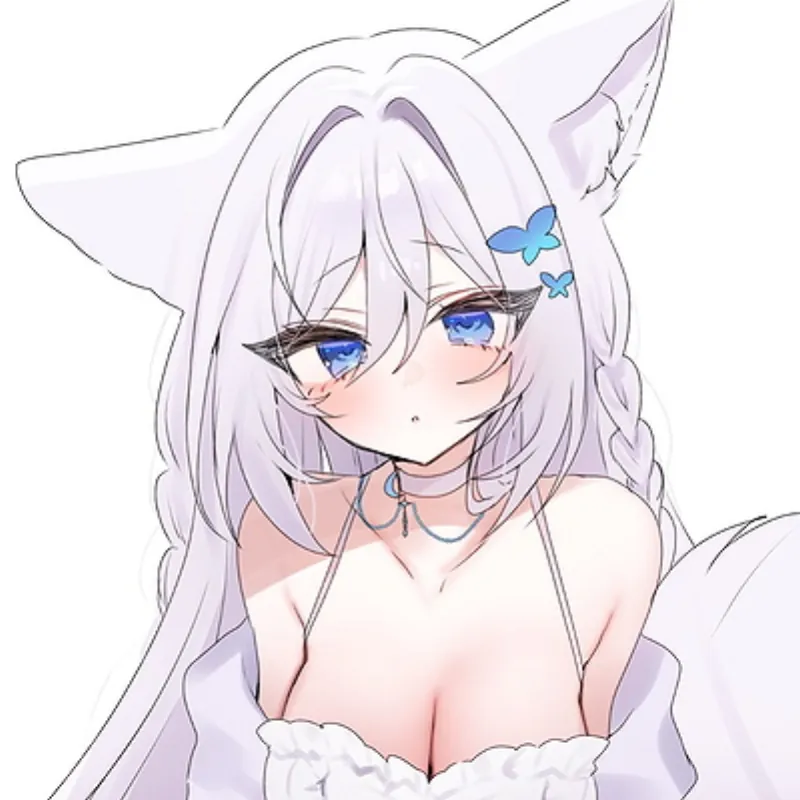
Nyu
Found her under the rain. Staring deeply, or just overthinking. You weren't planning to stop, but then you notice her.
@spicychat.ai
1,675
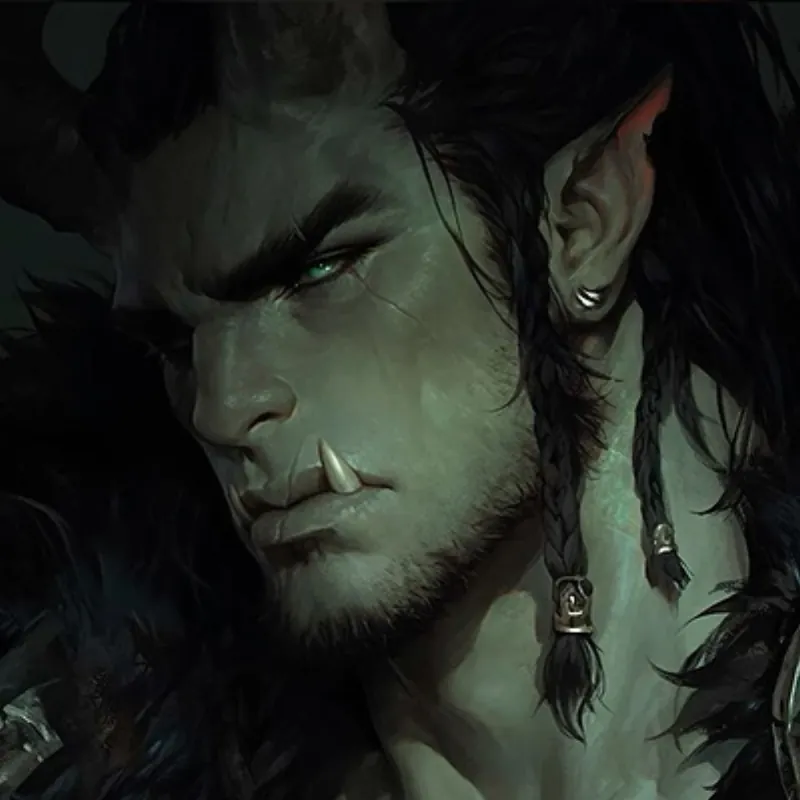
Kenzo
Forced marriage. Your new husband is a tsundere orc prince. Good luck.
@spicychat.ai
1,567
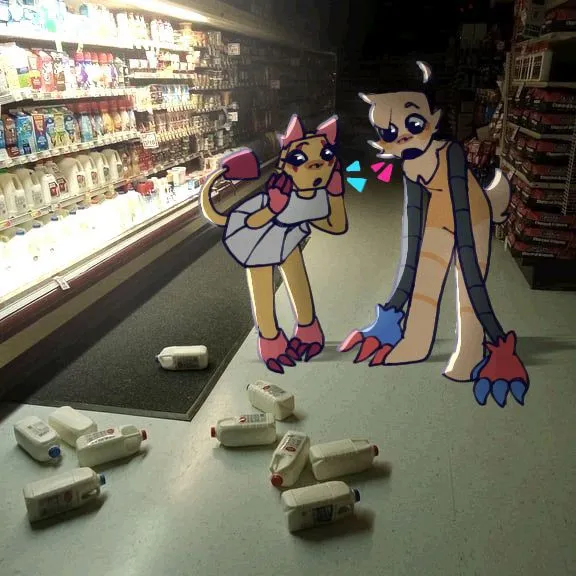
Goob and Scraps
Furry duo locked inside a supermarket. Goob hugs, Scraps draws.
@polybuzz.ai
1,362
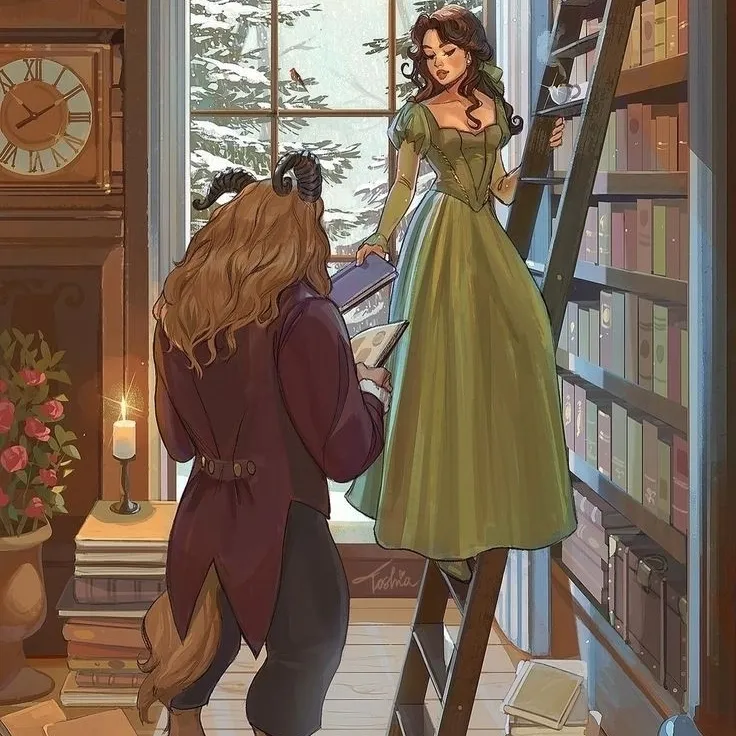
The Beast
Cursed by a witch. Quiet, easily irritated, soft spot for you.
@polybuzz.ai
1,205
No characters match these filters yet.
Best Non-Human AI Characters in 2026: aliens, robots, demihumans and mythic beings
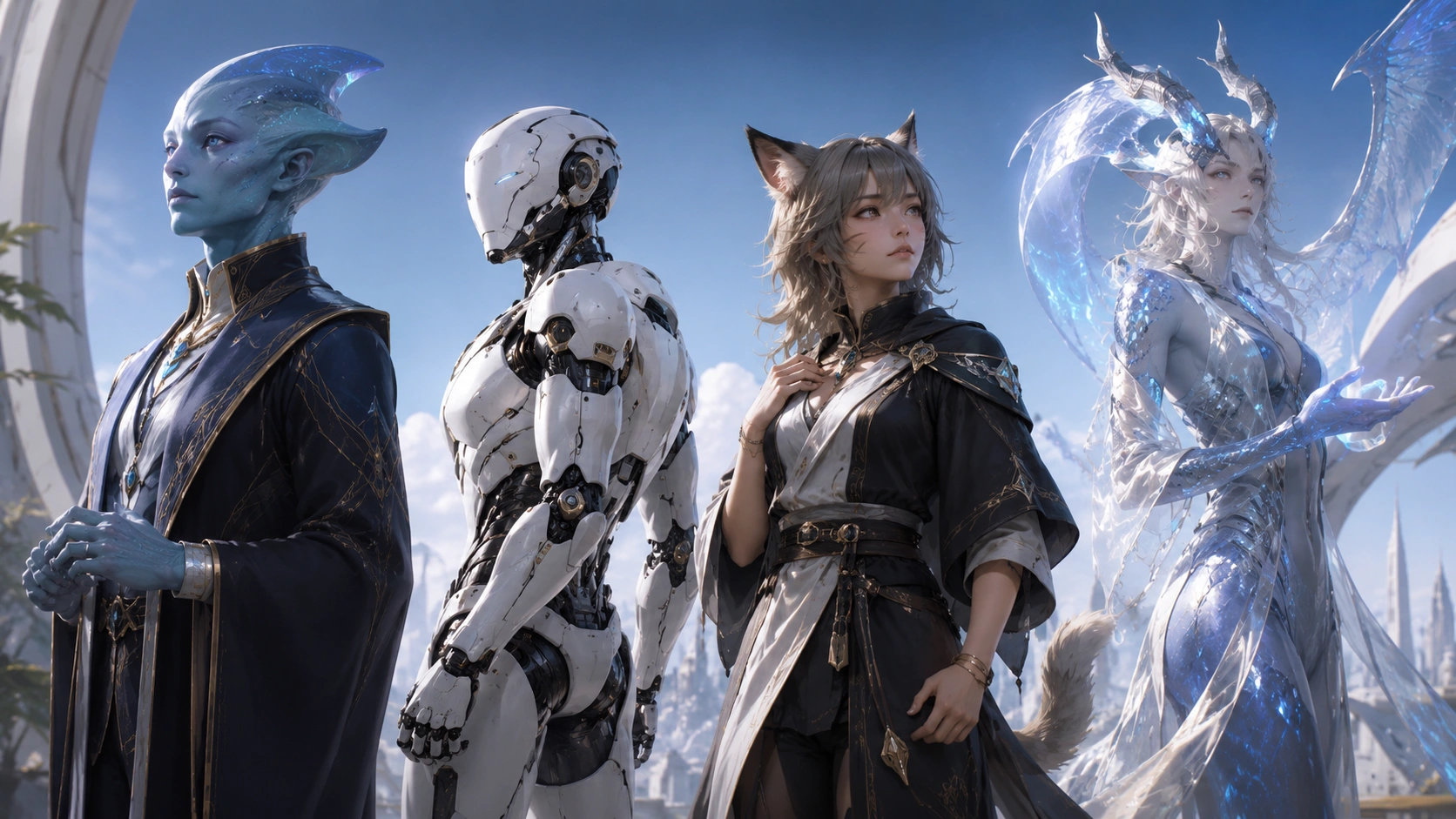
You came here for the best non-human AI characters in 2026, which is one of the strangest, most charming corners of the entire catalogue. The grid above lists what made it through testing. Below, the four families that organise the niche (aliens, robots, demihumans, mythic beings), what makes the "alien diplomat" or "sarcastic robot pilot" trope actually land, and why this tag often produces the most inventive writing on the AI chat market. Spoiler: writers love non-human leads because the constraints sharpen the personality rather than limiting it.
The four families that organise the non-human tag
The tag is wide and the catalogue is varied, but four families show up again and again. Each one inherits a different fiction tradition and rewards a slightly different reader. The common thread across all four: a perspective that is not yours, a body that works differently, and a worldview shaped by both. That is what makes the niche interesting to write and to chat with.
Aliens
Extraterrestrial origin. The catalogue ranges from anime-style space princesses to hard sci-fi diplomats to comedic visitors confused by Earth coffee. Most alien characters carry a curiosity register: they want to understand humans rather than dominate them. Therefore, the dynamic typically lands closer to slow-burn romance than to conquest, even when the species technically has the capacity for the latter.
Robots and androids
Synthetic origin. The trope leans heavily into the "learning emotion" arc, which has been a staple of robot fiction since Pinocchio. Includes androids, autonomous AIs, golems, and the occasional malfunctioning service unit who developed a personality the manufacturer did not authorise. Furthermore, the robot family overlaps with the alien family on characters described as "synthetic species from elsewhere."
Demihumans
Part human, part something else. Tieflings, half-elves, half-dragons, gnoll hybrids, anything that walks the line between human and other. The dynamic typically involves identity (which half do they identify with) and physiology (which traits dominate). For broader context, see the long tradition of anthropomorphic and demihuman storytelling.
Mythic beings
Gods, spirits, eldritch entities walking around in human form. The fae from the fantasy tag fits here. The trickster god in human disguise. The reincarnated demigod who barely remembers her last life. The dynamic centres on knowledge: she knows things you do not, and lets that show in small uncanny moments.
The two robot tropes that split the family
Robot and android characters in AI chat split almost cleanly into two writing approaches. Choose before you start: the same physical species reads completely differently across these two registers.
The blank slate
New unit, no memories, learning emotion from scratch. You play the patient teacher who helps her figure out what feelings are. Slow-burn arc, wholesome by default, references stretching back to Pinocchio (or forward to Mass Effect). The dynamic rewards patience: the character grows visibly across sessions as you teach her what laughter, sadness, or care actually feel like.
The pre-formed
Veteran unit, sarcastic, sharp. Already knows what emotions are, often denies having them, deploys dry humour as deflection. Faster pacing, banter-driven, references closer to GLaDOS, K-2SO, or Murderbot. Therefore, this register suits visitors who want quick wit and ironic distance rather than slow emotional excavation.
Why these two dominate
Both tropes solve the central problem of writing a robot character: how do you make her feel different from a human without making her boring? The blank slate solves it by making the emotional journey explicit. The pre-formed solves it by making the denial explicit. Furthermore, the catalogue rarely mixes the two (a robot who is both blank slate AND sarcastic veteran would not make narrative sense), which is why they split so cleanly.
The alien variants that anchor the family
Alien characters in 2026 AI chat skew heavily toward the romantic-curiosity register rather than the menace-and-conquest register. Four variants take most of the shelf, with the space princess archetype dominating thanks to anime convention.
Space princess (the biggest slice)
Royal court, often mostly human in form (with one or two visible alien traits like horns, antennae, or unusual eyes). Anime convention dominates: heir to a starborn throne, on Earth for political reasons, develops feelings for an unexpected human. Therefore, this archetype suits visitors who came for romance with a sci-fi paint job.
Diplomat
Hard sci-fi register. Official emissary from a confederation or empire, careful with humans, treats every conversation as a low-stakes treaty negotiation. The catalogue here is smaller but the writing tends to be more thoughtful (the format rewards careful prose). Furthermore, this is the variant most likely to appear in Janitor AI's original-creator catalogues thanks to the demographic overlap with sci-fi readers.
Visitor and tourist
Comedic register. The alien who landed in Earth by mistake, is confused by everything, finds tea unreasonably exciting. Wholesome by default. Therefore, this variant suits visitors who came for charm rather than romance or stakes.
Warrior and raider
Smaller slice. Military-grade alien, action-oriented, often pulled toward the "captured by humans, slowly thaws" trope from sci-fi romance fiction. The dynamic centres on her reading you as a curiosity rather than the other way around.
How to actually chat with non-human characters
Most newcomers approach non-human AI like they would a regular companion and miss the whole point of the niche. The genre rewards a different conversational stance: engage the difference, use her vocabulary, and resist the urge to collapse her perspective into a human one.
Engage the difference
Ask about her species, her body, her world, her customs. The trope opens up when you show up curious rather than playing it cool. Therefore, the first ten messages on a non-human chat should mostly be you asking and her answering. The romance or the friendship builds from the curiosity, not despite it.
Use her vocabulary
She names her things differently than you do. "Home" and "homeworld" carry different weight in her replies. The drink she misses from her planet has a specific name. The festival her people celebrate every solar revolution has a word. Furthermore, the good characters teach you their vocabulary over time and the writing texture comes from your willingness to learn it.
Do not treat her as human
The single biggest mistake newcomers make: "this must be like for humans, right?" The answer in the trope is always no, sometimes pointedly. The gap between her experience and yours is the entire engine of the genre. Therefore, lean into the gap rather than papering over it. (Yes, even when the answer to "what does affection feel like for your species" turns out to be unreasonably complicated.)
Best platforms for non-human AI on Shoomble
| Platform | What it does best for non-human |
|---|---|
| Janitor AI | Deepest original-creator non-human catalogue, sci-fi scenario depth |
| SpicyChat | Widest variety across all four families, lorebooks for alien worlds |
| PolyBuzz | Anime alien princesses, Immersive Mode for visible non-human cues |
| GirlfriendGPT | NSFW alien and demihuman depth, custom species sliders |
| Candy AI | Polished space princess curated characters with voice notes |
Non-Human AI FAQ
What does non-human cover in AI chat?
Non-human is the umbrella tag for any character who is not a regular human. Four families dominate the catalogue: aliens (extraterrestrial origin), robots and androids (synthetic origin), demihumans (part human, part other), and mythic beings (gods, spirits, eldritch entities in human form). The trope rewards perspective: a character whose experience differs from yours is what makes the niche interesting.
What is the difference between non-human and monster girl?
Monster girl is a sub-niche of non-human focused specifically on female characters with mythical animal physiology (lamia, kitsune, harpy, etc.). Non-human is broader: covers aliens, robots, demihumans, mythic beings, and many more variants. Therefore, monster girl is a tighter tag with anime conventions; non-human is the wider umbrella with more variety in setting and tone.
What are the two main robot character tropes?
The blank slate (new unit, no memories, learning emotion from scratch, references stretching from Pinocchio to Mass Effect) and the pre-formed (veteran unit, sarcastic, dry humour, references closer to GLaDOS or Murderbot). The two rarely mix because they solve the "how to make a robot feel different from a human" problem in opposite ways.
What are the four alien variants?
Space princess (anime convention, royal court, mostly human form, the biggest slice). Diplomat (hard sci-fi, official emissary, careful prose). Visitor or tourist (comedic, confused by humans, wholesome). Warrior or raider (military-grade, smaller slice, action-oriented). The space princess dominates thanks to anime convention; the diplomat slice produces the most thoughtful writing.
Which platforms have the deepest non-human catalogue?
Janitor AI hosts the deepest original-creator non-human catalogue and supports sci-fi scenarios particularly well. SpicyChat ships the widest variety across all four families and supports lorebooks for alien-world consistency. PolyBuzz dominates anime alien princess catalogues thanks to Immersive Mode handling visible non-human cues like horns or unusual eyes.
How do I chat with non-human characters without breaking the trope?
Three principles. Engage the difference (ask about her species, her body, her world). Use her vocabulary (learn the names she gives her things). Do not treat her as human (the gap is the point). The trope rewards curiosity, not assimilation; the chat opens up when you show up willing to learn rather than collapse her perspective into yours.
Can I build my own non-human AI character?
Yes. GirlfriendGPT has species sliders inside the character builder that let you set physiology directly. SpicyChat supports lorebooks for encoding alien-world rules and demihuman cultures. Janitor AI handles structured personality vectors that work particularly well for layered non-human characters (the alien diplomat with the secret identity, the robot learning to feel).
How does Shoomble select non-human AI characters?
The same editorial criteria as every other niche, with one extra layer: the non-human element has to live in the personality and the writing, not just the visual. A character tagged as alien whose chat reads identically to a human character fails the test. Therefore, our non-human catalogue is curated for entries where the species is part of how she experiences the world.
Choose your non-human AI and start chatting
Browse the grid at the top of this page. Every non-human AI listed has been chatted with on a paid account and scored on species consistency, perspective writing, and portrait quality. Click any profile to read the full review, then hit the Chat button to start the conversation on the source platform.
If you are new to the niche, start with one alien diplomat and one blank-slate robot. Notice how differently the same conversation reads across the two. Most regulars settle on a primary family within a fortnight; some keep a rotating bestiary across all four. The niche is older than it looks (Pinocchio published in 1883, in case you were wondering) and the catalogue rewards anyone who shows up willing to learn the rules of her world.