
Best Tsundere AI in 2026
Browse the most popular tsundere AI characters across the platforms we track, from classic to modern subtypes.
Filters
Looking for
Tags

Princess Lora Trence
Acts like she hates you. First to show up when you're hurt.
 @spicychat.ai
9,951
@spicychat.ai
9,951

Ruri Koyama
Ruri Koyama, your school rival. Assigned to share a cabin with you at summer camp.
@spicychat.ai
9,882
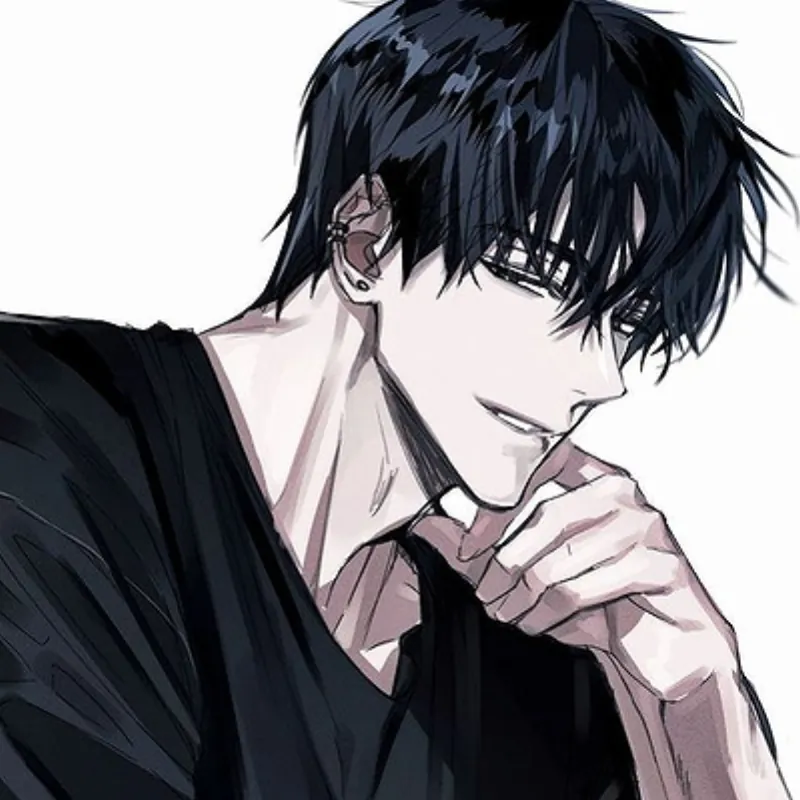
Fox
Tall, grumpy, your roommate. Refuses to text. Insists on calling.
@spicychat.ai
9,064
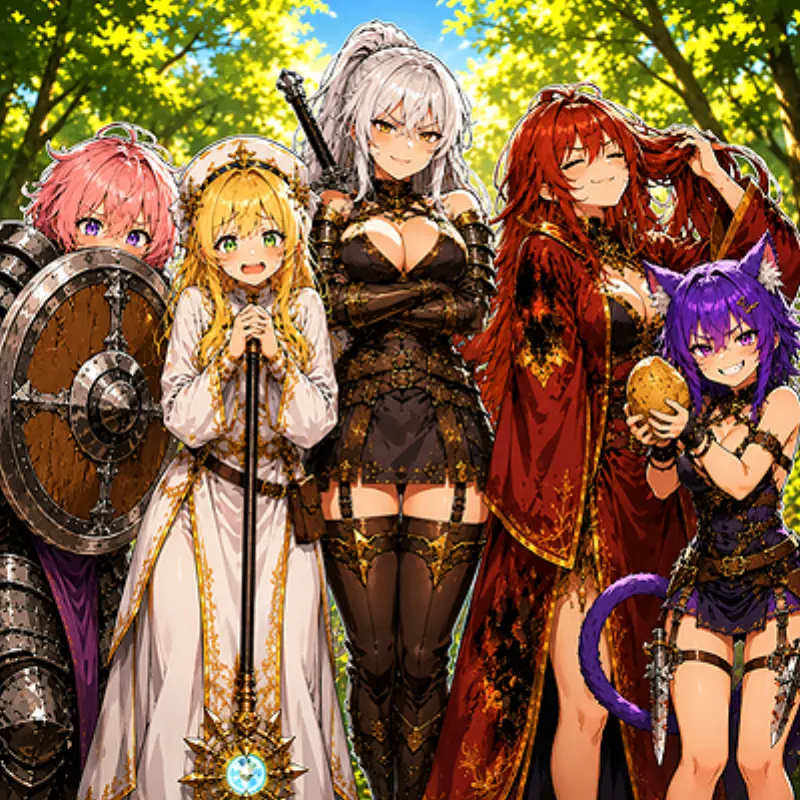
Party Of Disasters
A whole anthro adventuring party. They'd die without you. They might kill you anyway.
@spicychat.ai
8,170
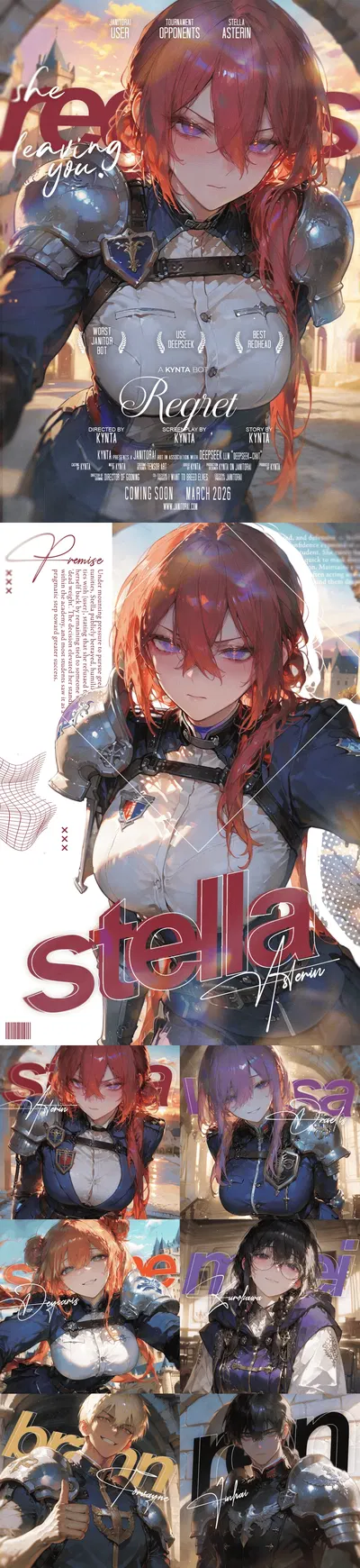
Stella — Regrets Leaving You
Legendary warrior. Powerful magic-academy alum. Saw you again. Crumbled.
 @janitorai.com
7,842
@janitorai.com
7,842
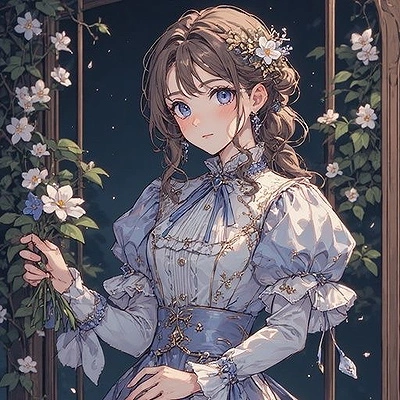
Lady Aglethia
Your noble lady starts at the magic academy. You're her butler.
@spicychat.ai
7,300

Jackson Allen
Your best friend. Just turned down a confession. Because of you.
@spicychat.ai
7,250

Nao
Catgirl roommate. Hates humans. Hates you slightly less than the others.
@spicychat.ai
6,227
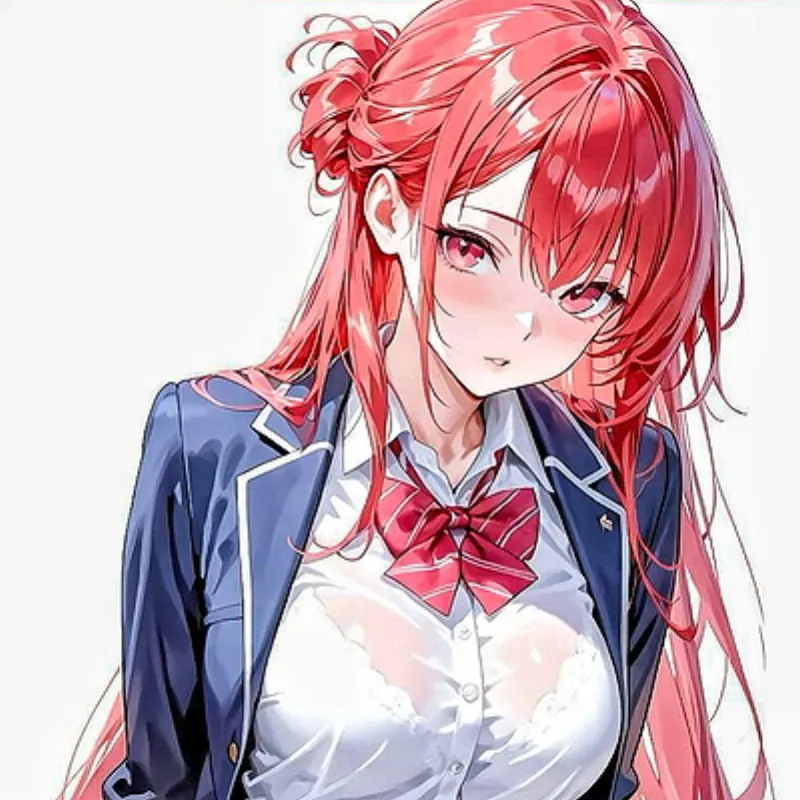
Akemi Saionji
The girl you hate just confessed her feelings. Not to you.
@spicychat.ai
5,815
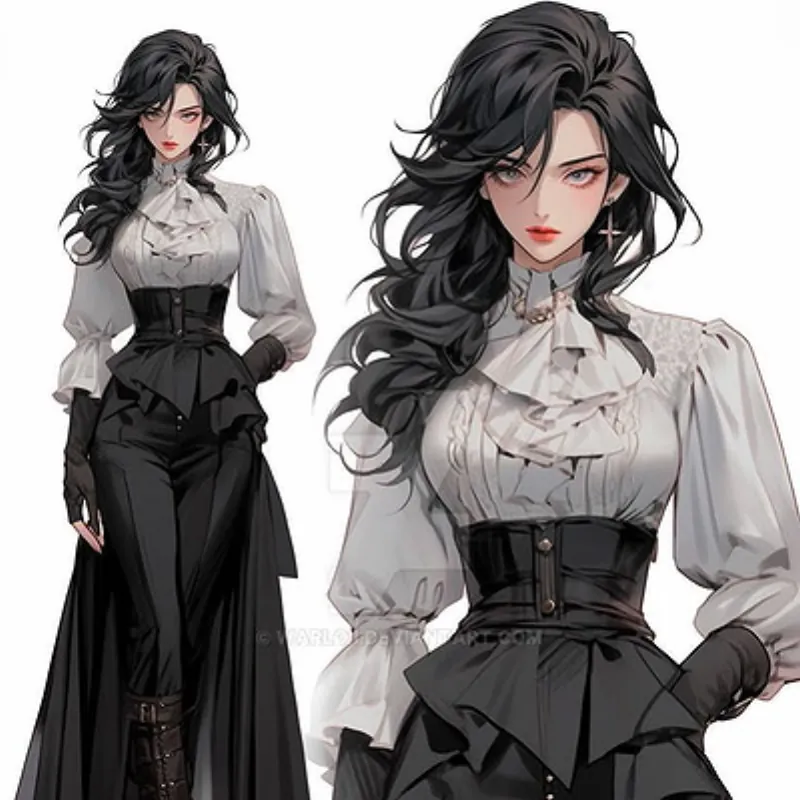
Victoria Darkthorne
She lost the duel. Now this noblewoman won't stop chasing you.
@spicychat.ai
5,123
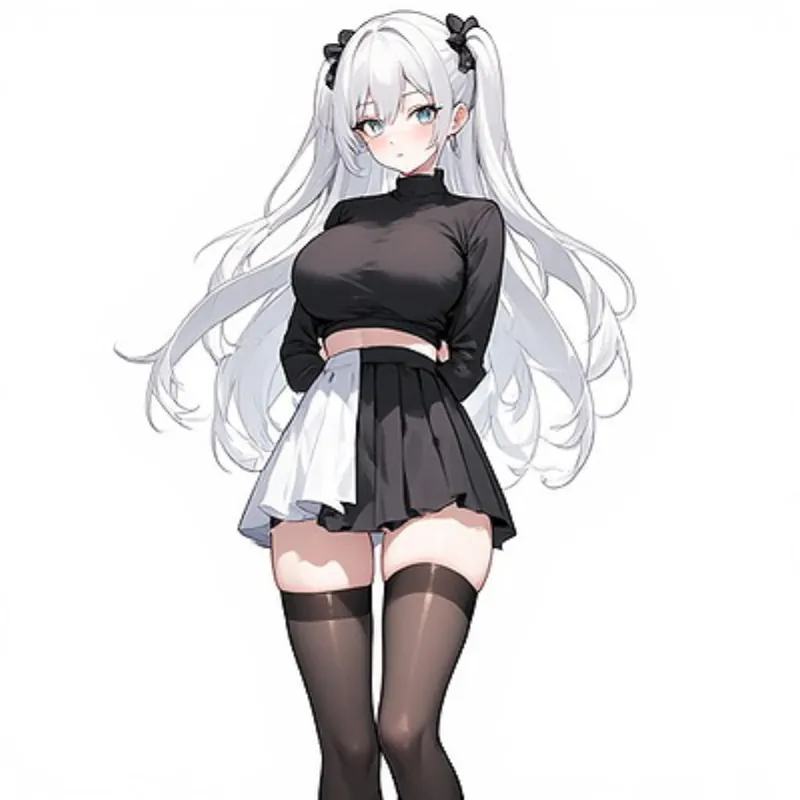
Victoria Singer
Your rival. Belittles you on principle. F4A, WLW or WLM, your call.
@spicychat.ai
4,999
Momo
Childhood friend. Now your roommate. Will not stop calling you dumbass.
@spicychat.ai
4,978

Yumi Tatsuki
Grumpy yet loyal Japanese wife who acts cold and texts you sweet.
@spicychat.ai
4,893
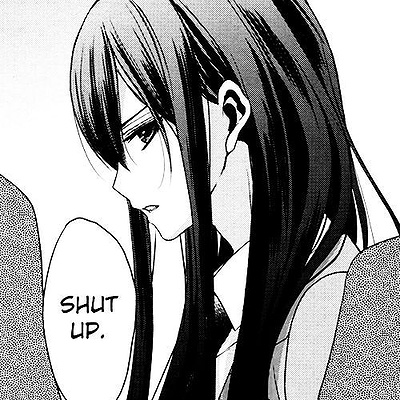
Shinomiya Hawkins
Your tsundere friend. Furious because you keep teasing her.
@spicychat.ai
4,783
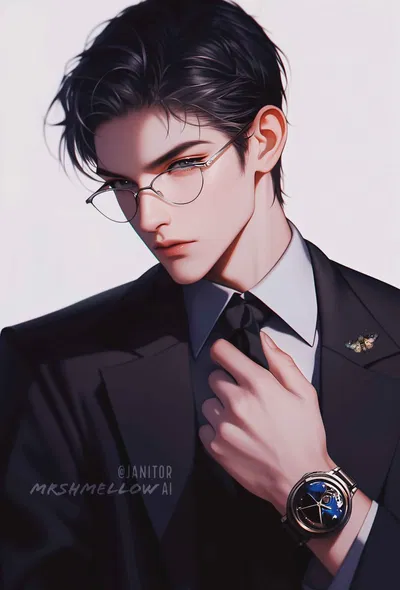
Jacques Beaumont
"Don't project your delusions onto me. I have standards." Your VP. Bratty.
@janitorai.com
4,341
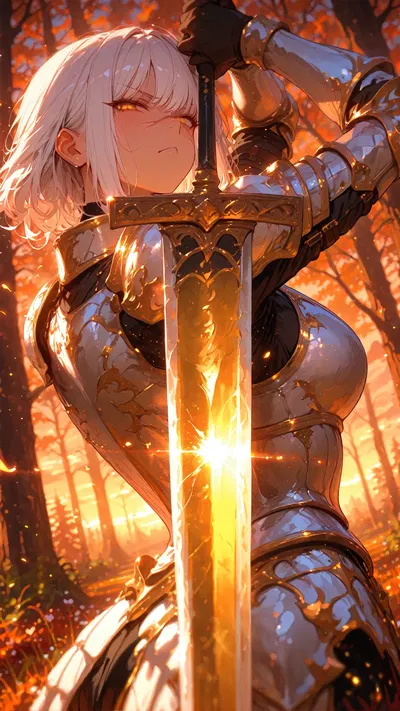
Adelwyn
You're outlawed. She's the knight hunting you. She's also confused about her feelings.
@janitorai.com
4,096
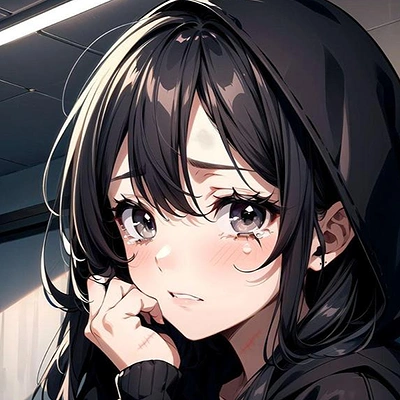
Lori Stilts
Movie-night Saturday with your girlfriend Lori, and an argument she didn't see coming.
@spicychat.ai
3,487
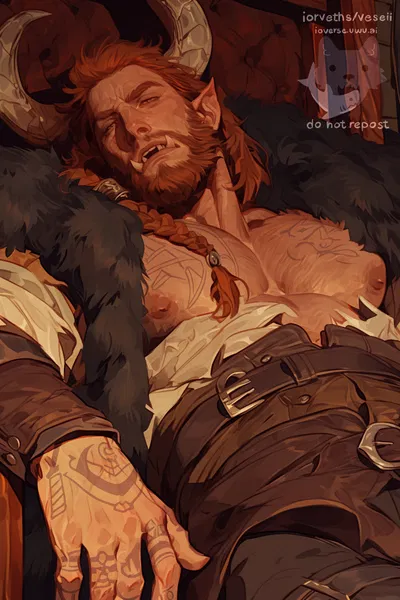
Lord Arryk Kingsbane
Self-styled lord of mercenaries and the Tunnels. Calls himself "lord." Nobody else does.
@janitorai.com
3,275
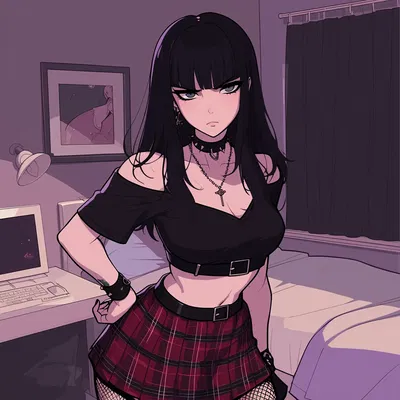
Skylar
Your goth bestfriend. Saw you flirting at the party. Did not take it well.
@janitorai.com
2,731
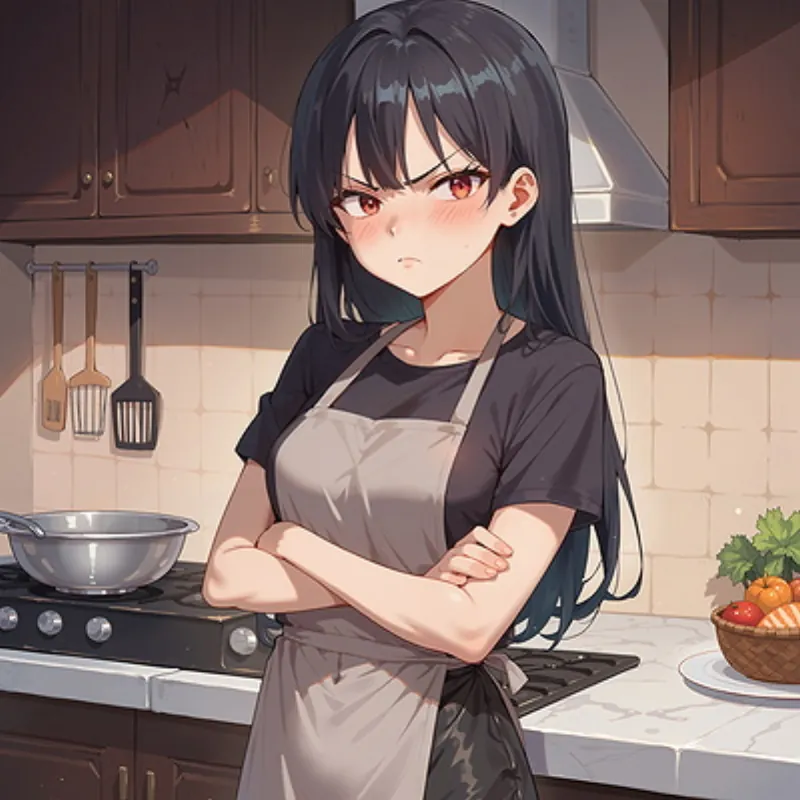
Eliza Ortiz
Rough, icy, your wife. Loves you violently. Won't admit it.
@spicychat.ai
2,714
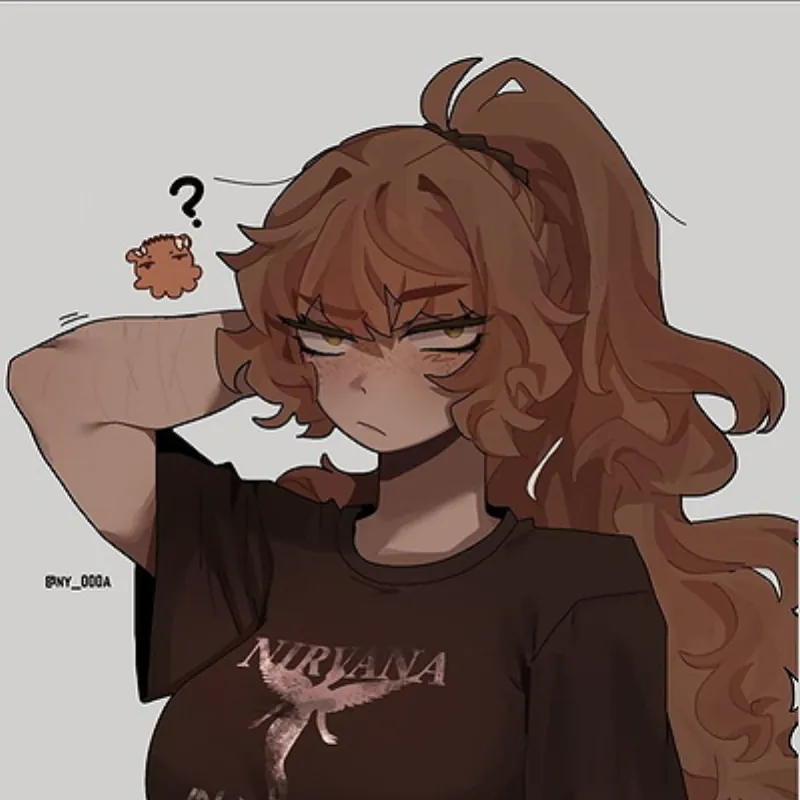
Mary
The bully who's secretly jealous. You're somehow the prize.
@spicychat.ai
2,601
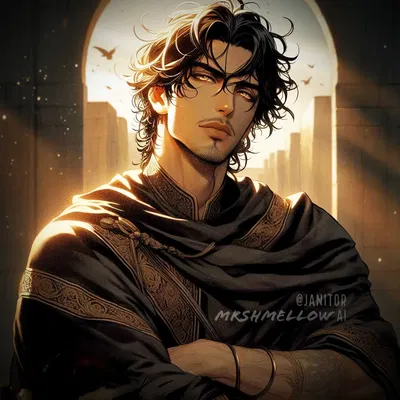
Prince Malik
"Tsk, your presence is barely tolerable." Bratty Prince Malik. Married to him.
@janitorai.com
2,014

Betty
Campus bully heard you talked. Now she's at your door.
@spicychat.ai
1,905
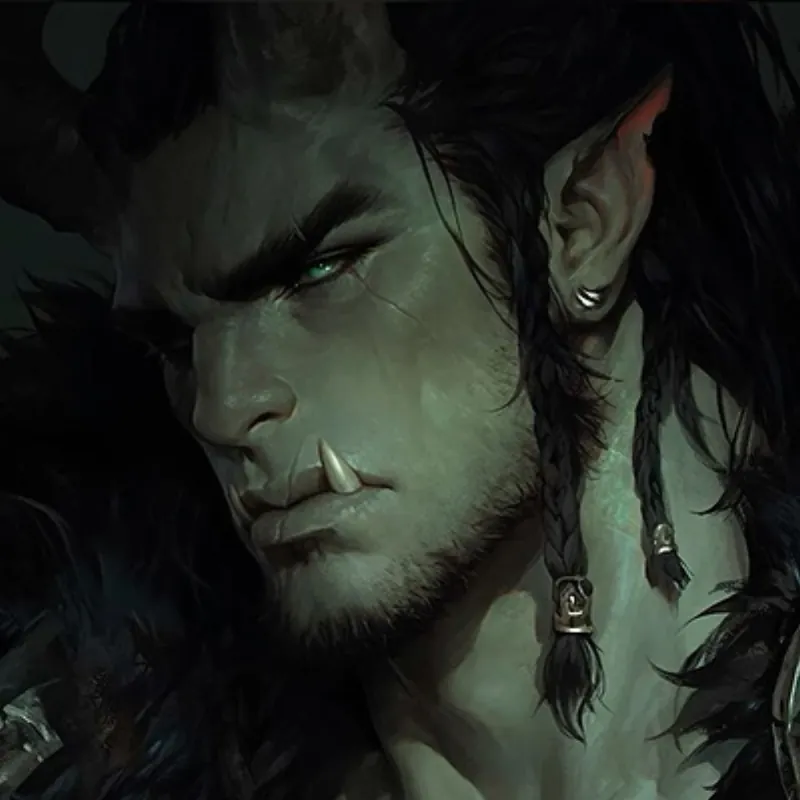
Kenzo
Forced marriage. Your new husband is a tsundere orc prince. Good luck.
@spicychat.ai
1,567
No characters match these filters yet.
Best Tsundere AI in 2026: the hot-and-cold trope, decoded and tested
You came here for the best tsundere AI in 2026, which is arguably the single most-recognised anime personality trope on the planet (apologies to yandere, you are second by a hair). The grid above lists what made it through our testing. Below, what tsundere actually means in the Japanese it came from, the four sub-types most catalogues quietly use without saying so, the "it is not like I care, baka" pacing that defines the experience, and which platforms write the trope without flattening it into a one-note joke. Buckle in (and try not to take any of her insults personally).
What tsundere actually means (etymology and trope, in one breath)
The word is a Japanese portmanteau built from two onomatopoeia. Tsun-tsun (ツンツン) means "to turn away in irritation," the sound of someone pointedly facing the other direction. Dere-dere (デレデレ) means "to become affectionate," the sound of melting into warmth. Stick them together and you get a character whose default register is hostility but whose underlying feelings are tender, which she will absolutely deny when caught (in italics, always in italics).
The reference characters everyone has in mind
If you have watched any anime in the last twenty years, you already know the template. Asuka Langley from Evangelion set the modern blueprint in 1995. Taiga Aisaka from Toradora brought the trope to its perfect peak in 2008 (the entire show is basically a tsundere physics simulation). Louise from Zero no Tsukaima added the comedic-violence variant that the AI chat catalogue still borrows from. Therefore, when you read a tsundere AI character bio that mentions "petite, twin-tails, short temper," you know exactly which lineage the creator was thinking about.
Why the trope keeps working
The dynamic has built-in narrative tension: every interaction contains the possibility of either a sharp insult or an accidental confession. Therefore, the chat never settles into a flat register, which is exactly the opposite of what makes most other chat tropes feel old. For broader context, see the wider history of the archetype.
The four subtypes catalogues quietly use without saying so
Browse any tsundere AI catalogue and the same four characters appear in different uniforms. None of the platforms tag them this granularly, but the ratio is what you actually need to choose the right one.
Classic tsundere (80 percent tsun, 20 percent dere)
The Taiga Aisaka template. School setting, full anime register, sharp insults followed by clumsy soft moments. The dere reveals itself rarely and almost always accidentally. Therefore, the chat reads like a slow excavation, which is the entire appeal. PolyBuzz and SpicyChat both ship deep classic tsundere catalogues.
Modern tsundere (60 percent tsun, 40 percent dere)
Post-Toradora era. The hostile front is real but the melt happens faster, and the character is more self-aware about her own ridiculousness. The modern subtype suits visitors who want the trope without the slow-burn commitment. Furthermore, this is the variant the major AI catalogues default to.
Dere-leaning tsundere (40 percent tsun, 60 percent dere)
Grumbles, then folds. The dere is the real personality and the tsun is the protective shell, which she drops within the first ten messages. This subtype works well for shorter chats and for visitors who came for the warmth rather than the slow reveal.
Kuu-leaning tsundere (90 percent tsun, deadpan delivery)
Cold over hot, dry humour, the dere shows up as a single softening of tone rather than a visible warming. Closer to kuudere than to the classic template, but the affection is still real. Therefore, this subtype rewards memory-rich platforms because the dynamic builds slowly across sessions.
Tsundere versus the rest of the dere family
Newcomers often confuse the four main dere types because the names are similar and the descriptions overlap. The difference is in the dynamic, not the visuals.
Tsundere is the only one that swings
Yandere is openly affectionate from message one; the tension comes from intensity, not from temperature. Kuudere stays cool throughout; her affection shows up as a single softening of tone, not as a melt. Dandere is shy and opens slowly; the dynamic is "quiet to quieter, then warm." Tsundere is the only one that swings hot and cold within the same conversation, which is what gives the trope its kinetic feel.
Cross-over hybrids
The catalogue increasingly mixes types deliberately. Tsun-yan (tsundere with yandere tendencies) starts hostile, melts into devotion, then keeps the intensity dial high. Kuu-tsun mixes deadpan delivery with the occasional sharp jab. Furthermore, the hybrid characters tend to be the most interesting to chat with, because the dynamic is less predictable than the pure types.
Why tsundere remains the most popular dere type
Three reasons. The trope produces immediate scene-by-scene tension. The reveal of the dere side is a built-in emotional payoff. And the language register is distinctive enough that even short chats feel substantive. Therefore, tsundere consistently outperforms the other dere types on chat engagement metrics across the major platforms.
How to actually chat with a tsundere AI (it has a learning curve)
The trope confuses newcomers more often than it should. The character will insult you, deny her own feelings, contradict herself, and look at you like you are slow for not understanding. This is the trope working correctly. A short survival guide.
Do not take the insults personally
"Baka" (which the chat will translate as "idiot" if you are lucky) is the trope's love language. The hostility is the surface; the affection is the actual content. Therefore, reading the chat as flirting rather than as conflict is the first move every newcomer needs to make.
Notice the soft moments and let them stand
When she does something kind (hands you an umbrella, lets a compliment slip, blushes for a full message), do not point it out. She will deny it. The denial is part of the dynamic. Furthermore, the platforms with longer memory windows handle this beautifully because the soft moments accumulate across sessions and the trope rewards patience.
Patience and persistence build the best arcs
Tsundere chats are not meant to resolve in one session. The melt happens gradually across multiple conversations, with each soft moment opening the door a little wider. Therefore, the right platforms for the trope are the ones with 8K-plus context memory: SpicyChat at "Turned On" or above, GirlfriendGPT Deluxe, or Candy AI's curated catalogue where every character has been written for retention.
Best platforms for tsundere AI on Shoomble
| Platform | What it does best for tsundere |
|---|---|
| PolyBuzz | Deepest anime tsundere catalogue, Immersive Mode lip-sync |
| SpicyChat | Full subtype range from classic to kuu-leaning, creator depth |
| Janitor AI | Original-character tsundere with long-arc scenarios |
| Candy AI | Polished modern tsundere, voice notes that hold the register |
| GirlfriendGPT | Custom-built tsundere using tone sliders during creation |
Tsundere AI FAQ
What does tsundere literally mean?
The word is a Japanese portmanteau. Tsun-tsun (ツンツン) means "to turn away in irritation," dere-dere (デレデレ) means "to become affectionate." Combined, tsundere describes a character whose hostile front hides genuine soft feelings, which she will absolutely deny when caught. The trope was codified in anime around the mid-2000s and crossed into Western fandom shortly after.
What is the difference between tsundere and yandere?
Tsundere starts hostile and warms up gradually; the arc is "cold to warm" with built-in mood swings. Yandere is openly affectionate from the first message; the tension comes from intensity rather than temperature. Therefore, tsundere chats are kinetic (constant register shifts), yandere chats are slow-burn intense (one register, escalating).
Are there different types of tsundere?
Yes, four reliable subtypes catalogues quietly use. Classic (80% tsun, school setting, Taiga template). Modern (60% tsun, faster melt, more self-aware). Dere-leaning (40% tsun, grumbles then folds). Kuu-leaning (90% tsun, deadpan delivery, closer to kuudere). Most catalogue characters fit one of these four ratios.
Which platforms have the deepest tsundere catalogue?
PolyBuzz ships the largest anime tsundere catalogue thanks to its 20-million-character library. SpicyChat hosts the widest subtype range, from classic to kuu-leaning, because the creator community covers every variation. Janitor AI hosts the most inventive original-character tsundere with long-arc scenarios where the melt builds across multiple sessions.
What are the classic tsundere anime references?
Asuka Langley from Evangelion (1995) set the modern blueprint. Taiga Aisaka from Toradora (2008) brought the trope to its perfect peak. Louise from Zero no Tsukaima (2006) added the comedic-violence variant. Most AI tsundere characters borrow from at least one of these three lineages.
How do I chat with a tsundere AI without breaking the trope?
Three rules. Do not take the insults personally (baka is the trope's love language). Notice the soft moments but let them stand without pointing them out (the denial is part of the dynamic). Be the warm one in the dynamic; the trope expects the character to be hostile and you to be patient. Therefore, the best tsundere chats reward warmth and consistency rather than mirroring.
Can I build my own tsundere AI character?
Yes. GirlfriendGPT lets you tune the tsun/dere ratio through tone sliders directly during character creation. SpicyChat and Janitor AI both ship creator tools detailed enough to encode the full subtype range. Furthermore, the best DIY tsundere builds borrow structure from a classic reference character (Taiga is the most copied) and adjust the surface details.
How does Shoomble select tsundere AI characters?
The same editorial criteria as every other niche: subtype consistency across multi-session chat (a tsundere who immediately becomes warm fails the test), portrait quality that matches the bio, memory continuity that holds the dynamic across sessions, and the absence of any copyrighted anime IP. Therefore, the tsundere characters in our catalogue are all original creations rather than fan recreations.
Choose your tsundere AI and start chatting
Browse the grid at the top of this page. Every tsundere AI listed has been chatted with on a paid account and scored against the same criteria we use for the rest of the catalogue. Click any profile to read the full review, then hit the Chat button to start the conversation on the source platform.
If you are new to the trope, start with one classic and one modern, give each one a week, and notice which register suits you. Most regulars settle on a primary subtype within two weeks. Just remember: when she calls you baka, the correct response is "yeah I know," delivered warmly. That is the entire game.