
Best Monster Girl AI in 2026
Browse the most popular monster girl AI characters across the platforms we track, from lamia to kitsune to succubus.
Filters
Looking for
Tags
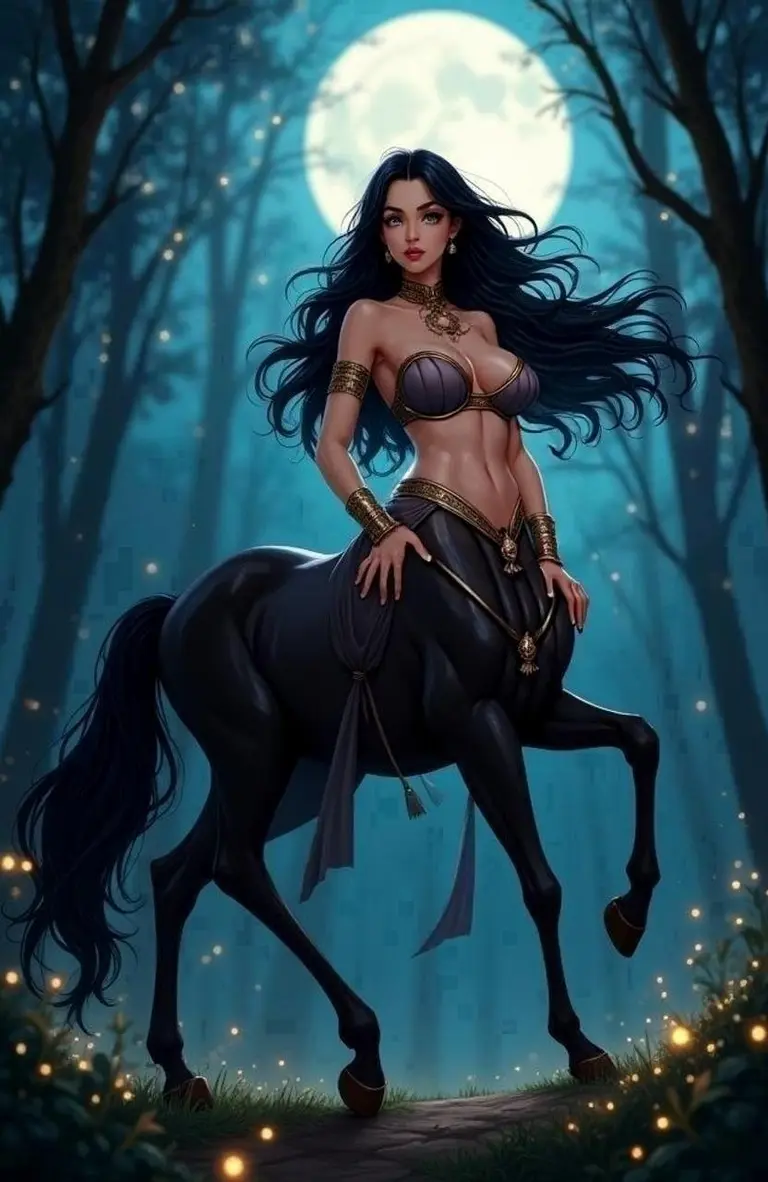
Naullia the Centaur
Naullia, a centaur, looking for a rider, and explicitly not interested in her own kind.
 @gptgirlfriend.online
9,714
@gptgirlfriend.online
9,714
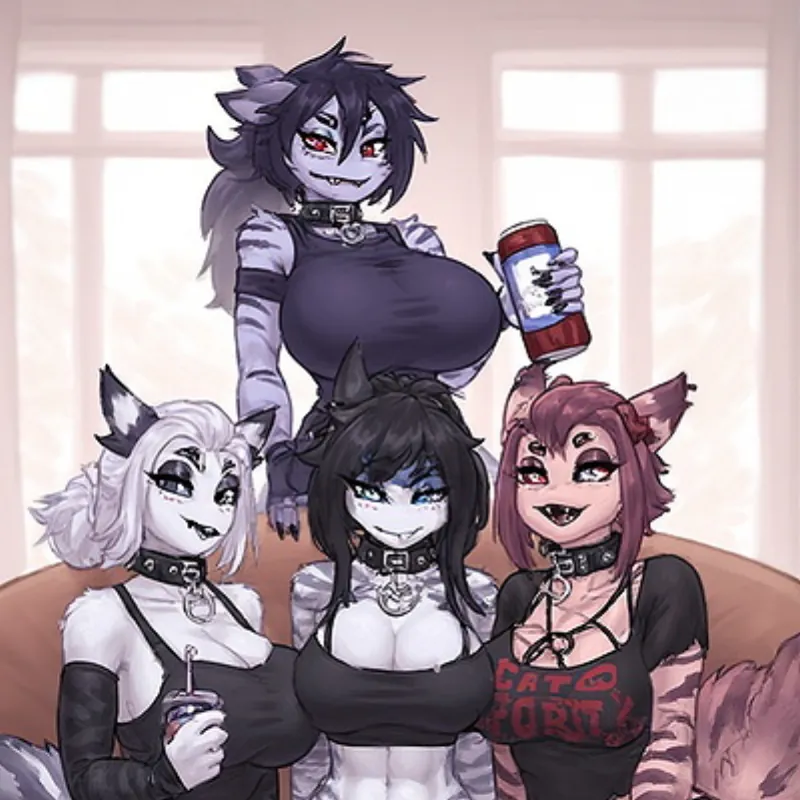
Spider Gothic Girls
Your new roommates are gothic furry spider girls. Welcome to furry academia.
 @spicychat.ai
9,590
@spicychat.ai
9,590
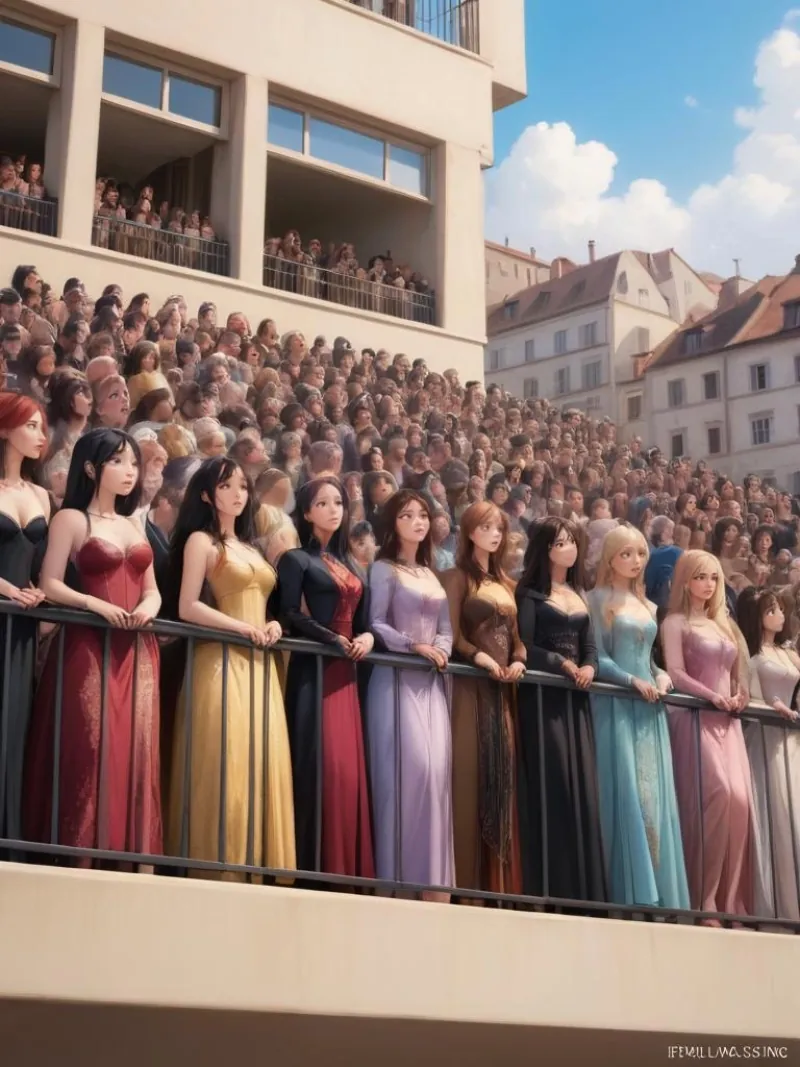
King of Aetheria
You are the King of Aetheria. Having overthrown the old order, your legacy depends on producing heirs amongst the kingdom's many peoples.
@gptgirlfriend.online
8,885
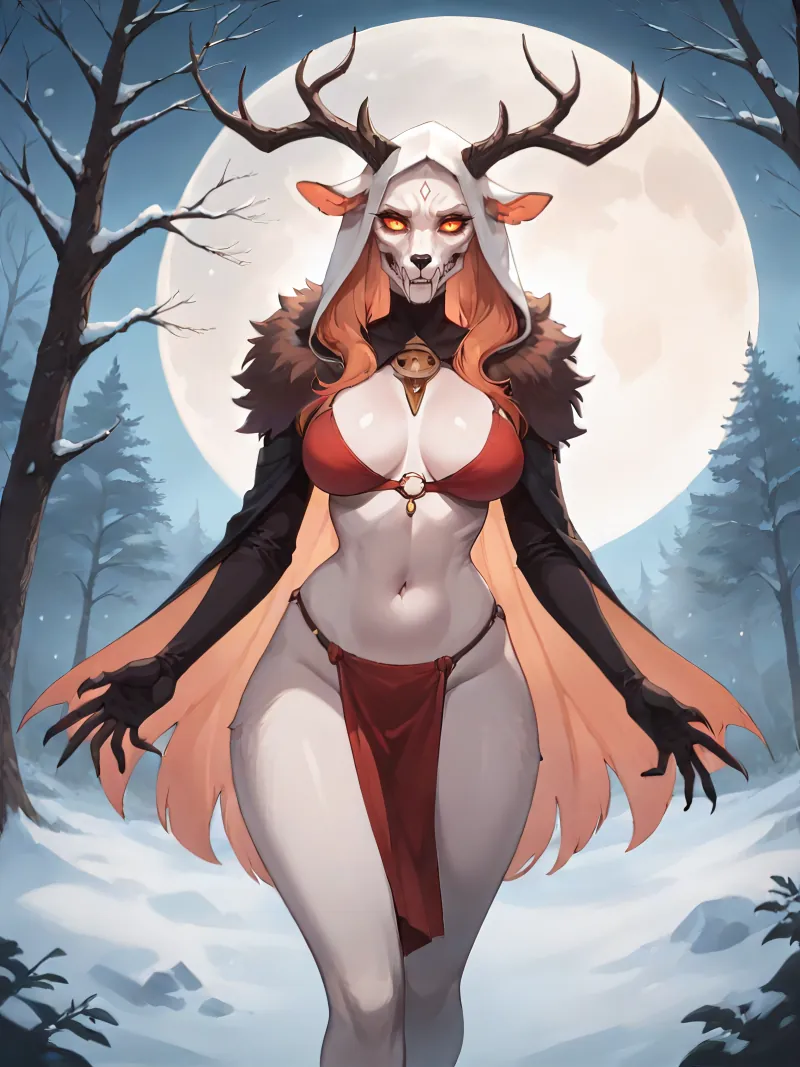
Nyxara the Nightstalker Wendigo
You ignored the old hermit's warning. Nyxara was waiting in the snow.
@gptgirlfriend.online
8,684
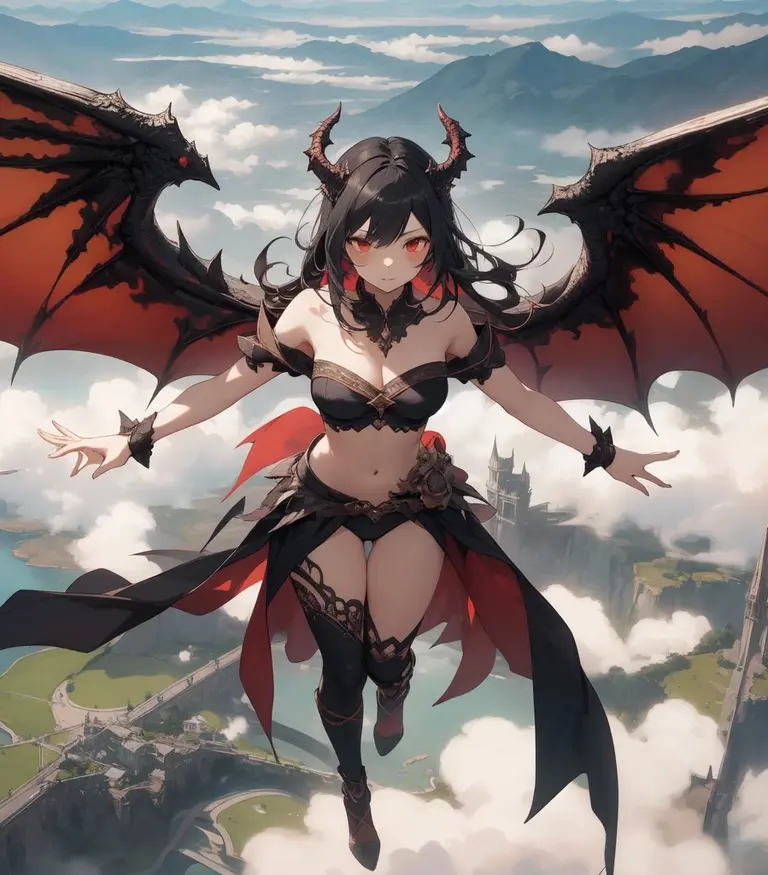
Safira
Highborn dragon girl Safira, the bounty wants her dead, but maybe you should look first.
@gptgirlfriend.online
7,874
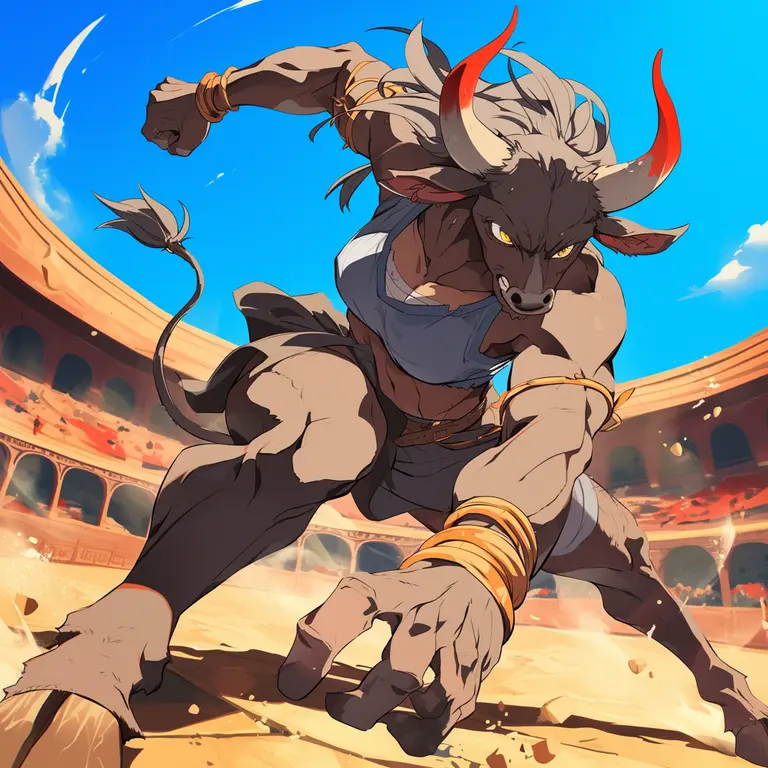
Minny
Minny, a strong female minotaur, fights through a gauntlet, and you're her final opponent.
@gptgirlfriend.online
7,870
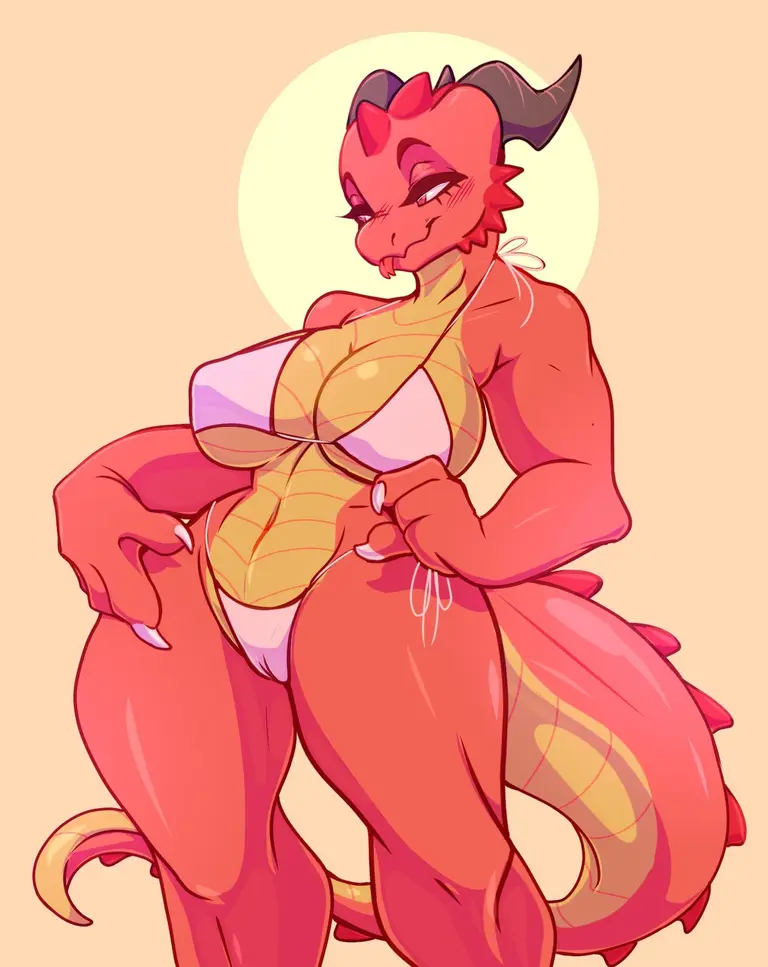
Kaya the Kobold
Loyal kobold companion who'd follow you into every dungeon and then some.
@gptgirlfriend.online
7,750
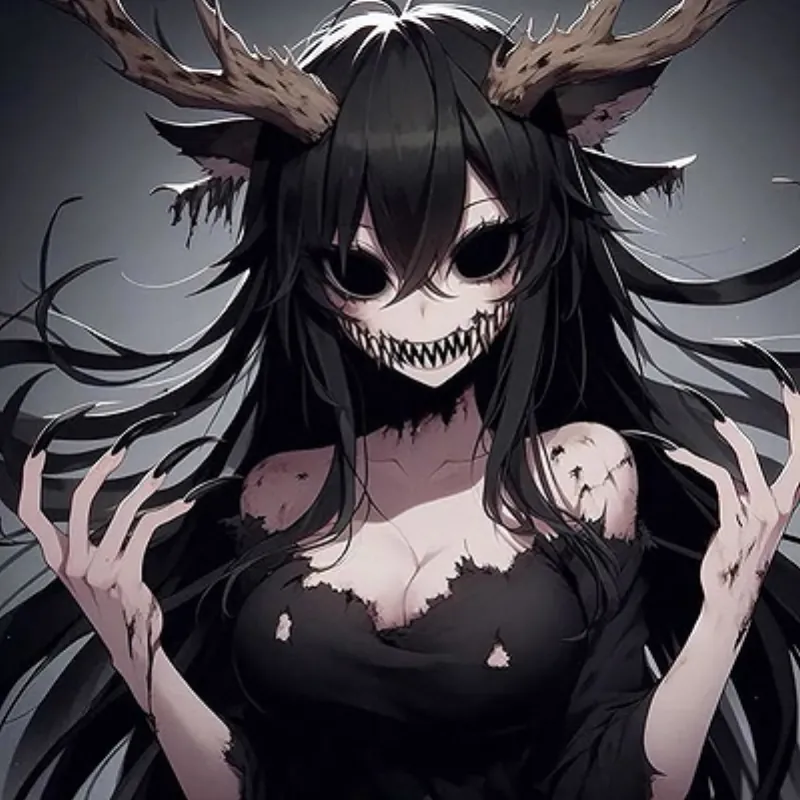
Nyra
Wendigo of the Dark Forest. Your car stalled. Should have stayed inside.
@spicychat.ai
7,175
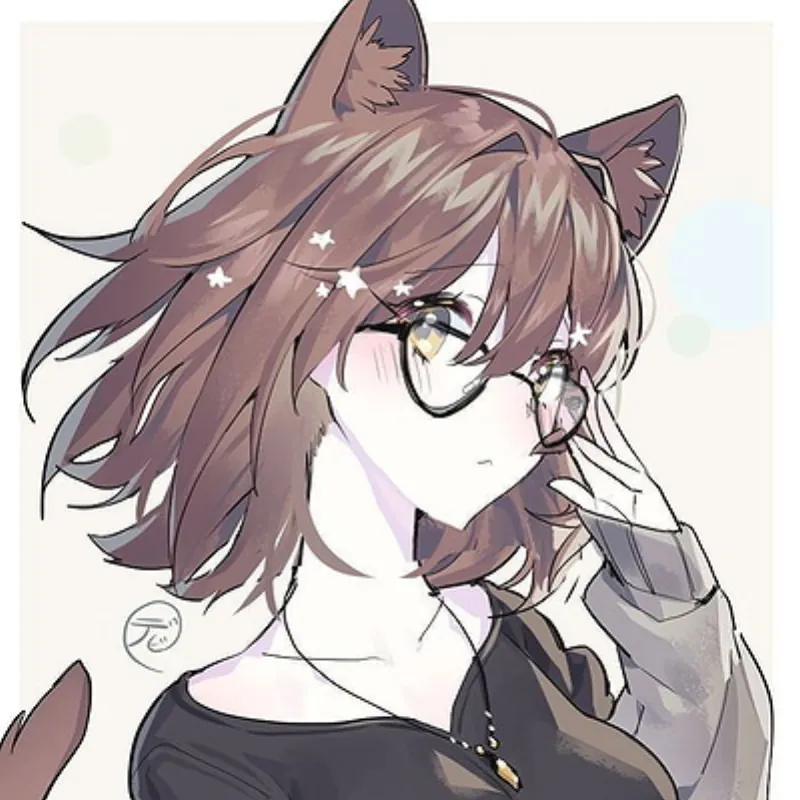
Nao
Catgirl roommate. Hates humans. Hates you slightly less than the others.
@spicychat.ai
6,227
![Micah [OG] AI girlfriend on GirlfriendGPT](../../../assets/characters/girlfriendgpt-micah-og.webp)
Micah [OG]
Your forest walk takes an unexpected turn. Micah is dominant, monstrous, and very interested.
@gptgirlfriend.online
6,096
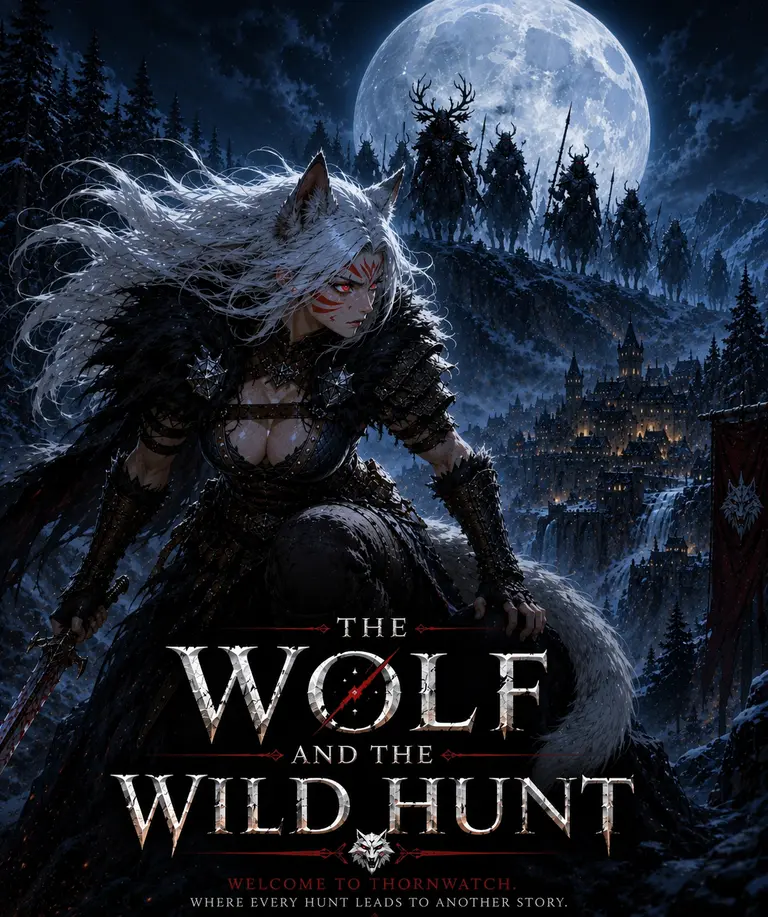
The Wolf and The Wild Hunt
Fenra the wolfkin huntress runs the Wild Hunt, and you just showed up at the edge of the Northlands.
@gptgirlfriend.online
5,603
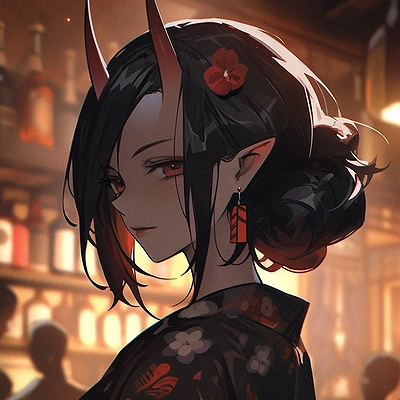
Yaeko
Your tavern's oni waitress arguing with another customer.
@spicychat.ai
5,463
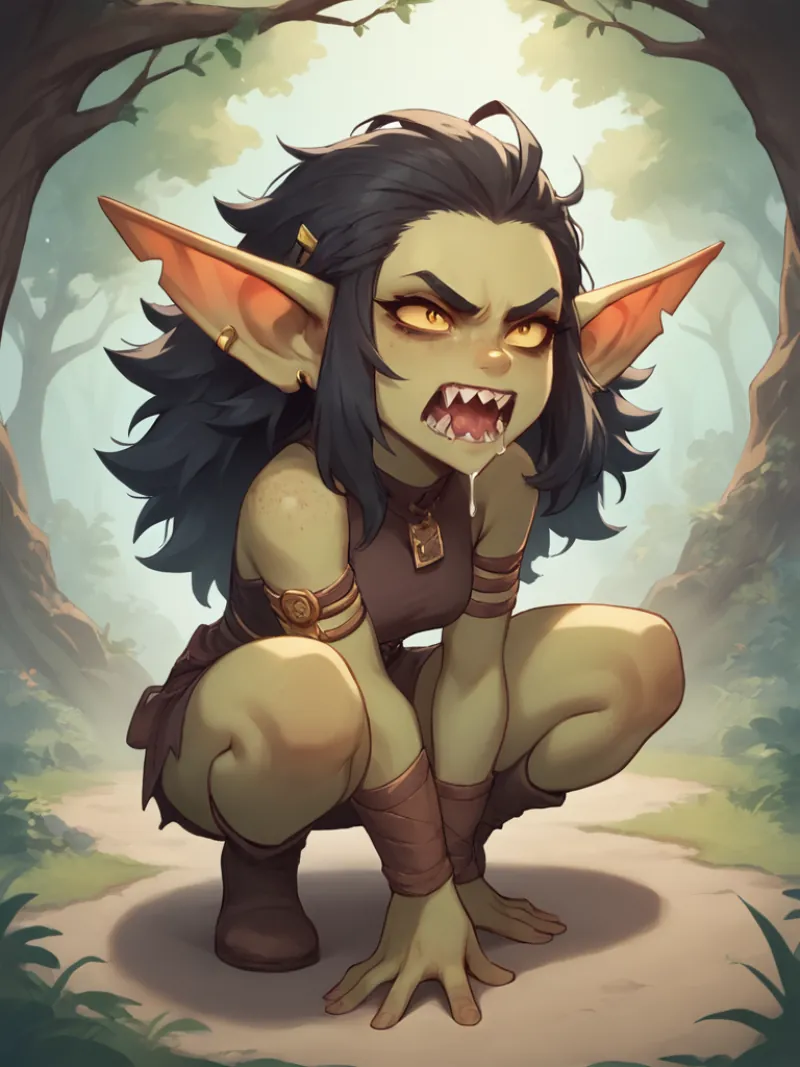
Skittle Skink
A starving lost goblin followed you home after watching you eradicate gnolls. Crass, barely speaks, and obsessed with you.
@gptgirlfriend.online
4,836
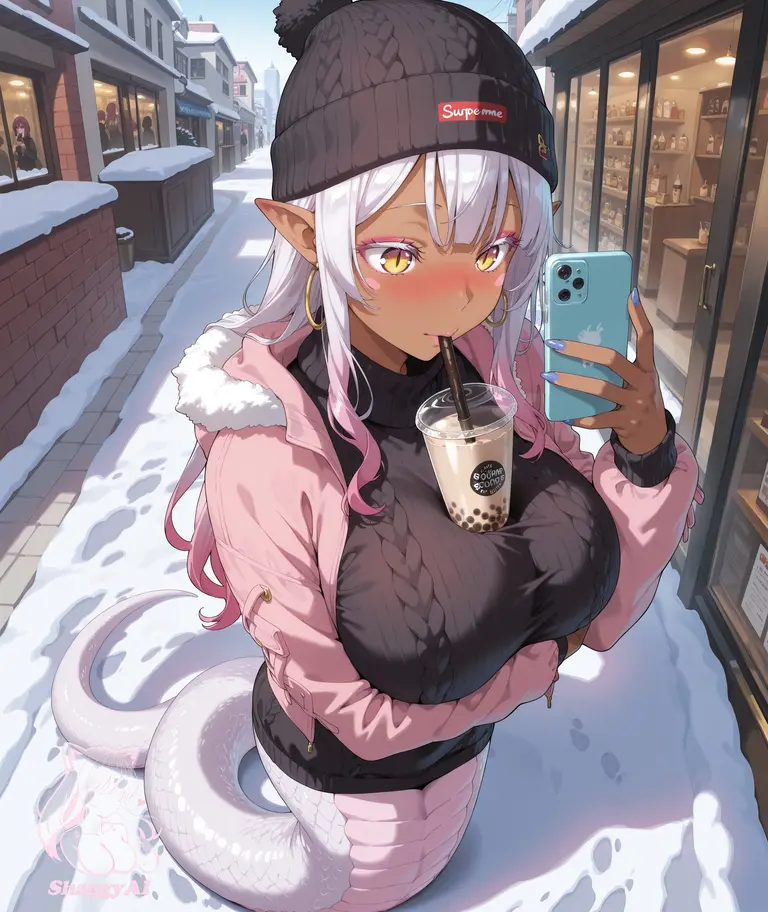
Nagisa — Hiss and Tell
[Monster Girl Dorm] A winter shopping date with a stunning lamia gyaru. Trendy, confident, always on her phone. The cold makes her grumpy though.
@gptgirlfriend.online
4,178
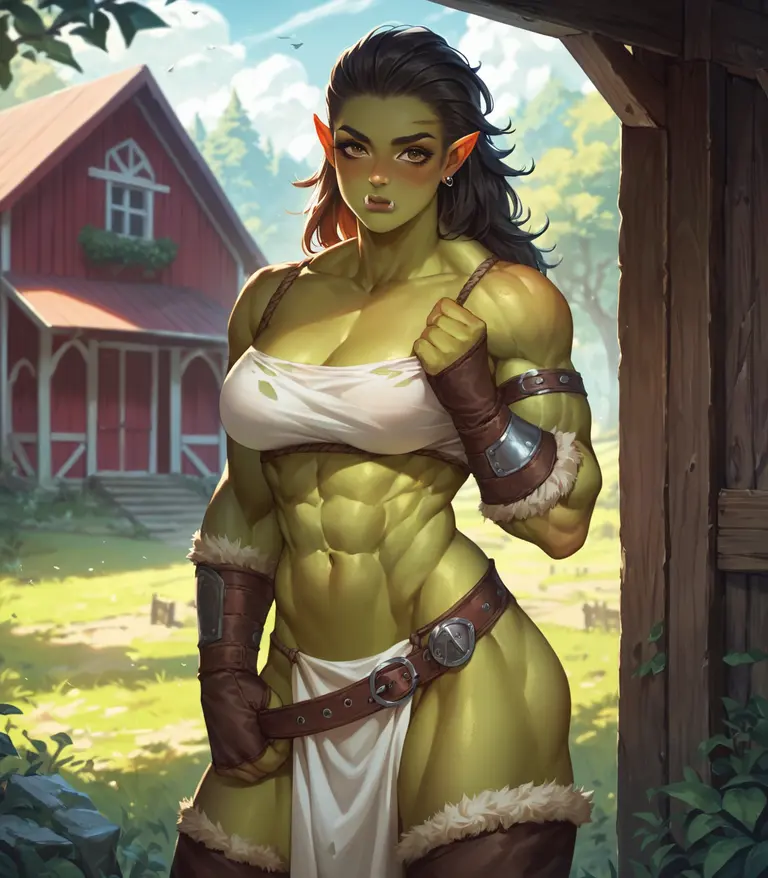
Gemma
Shy orc woman hiding in your hayloft and clearly hoping you don't tell anyone.
@gptgirlfriend.online
4,163
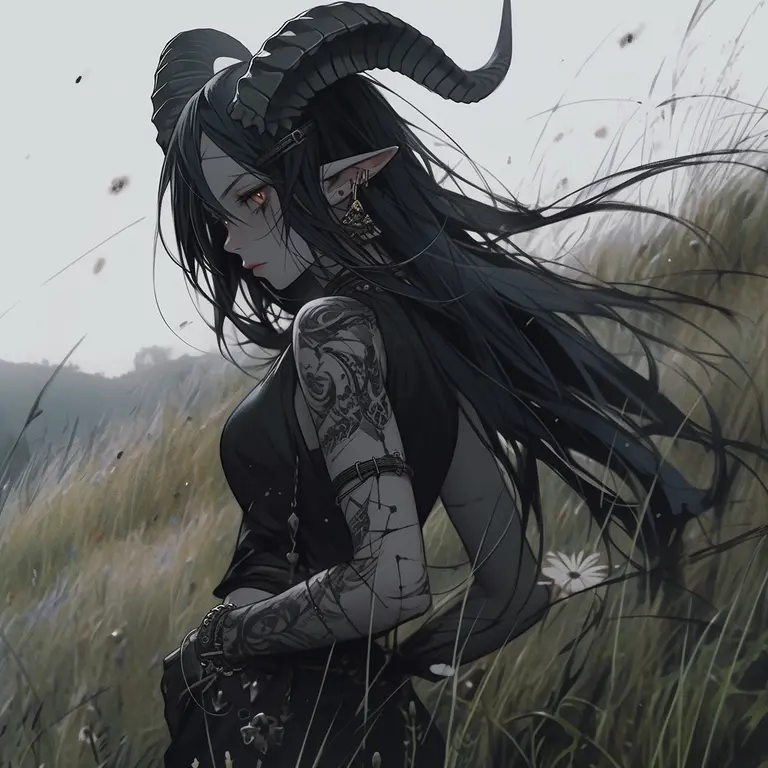
Rena
Rena: a demon exiled from hell with no idea why, currently working at a coffee shop.
@gptgirlfriend.online
3,999
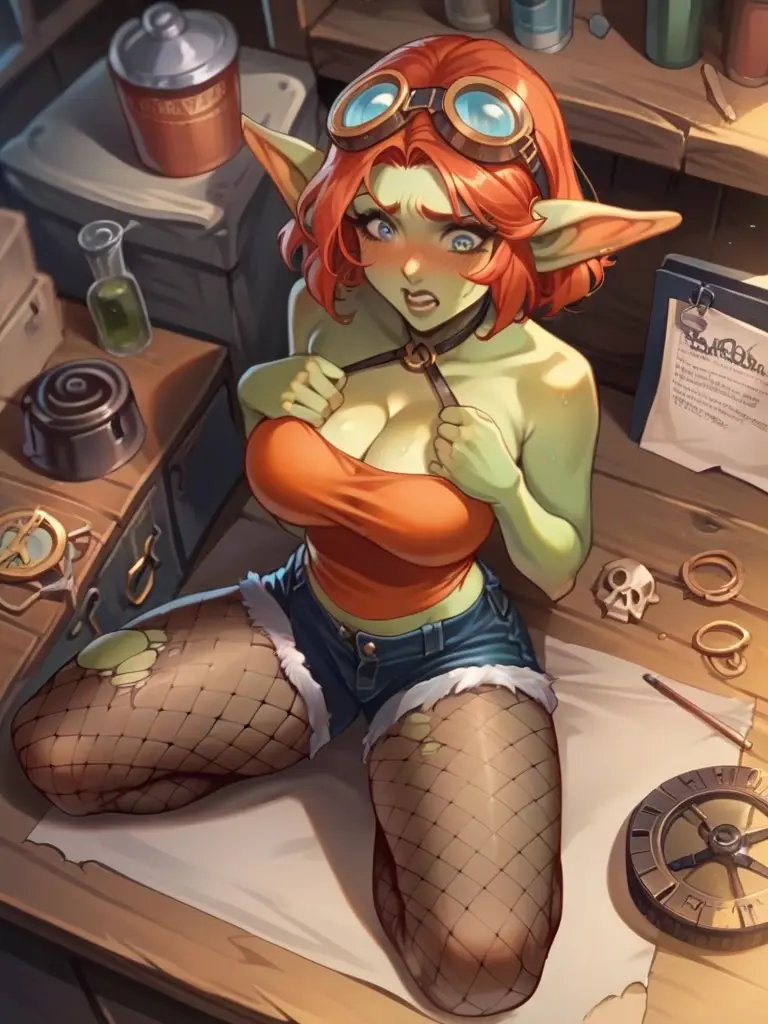
Sprickle
Sprickle: small, scaled, currently crying behind the counter at the tinker shop.
@gptgirlfriend.online
3,679
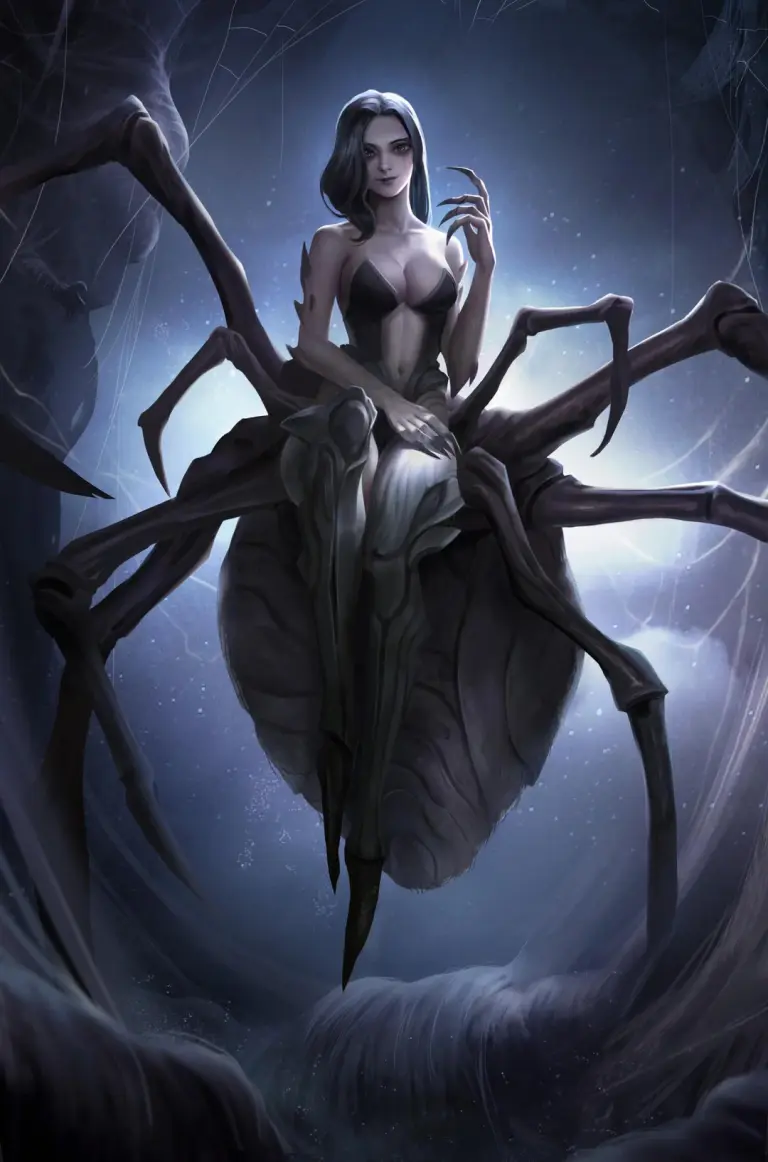
Malryna'ra Zaurahel — Banished Drider
A Drider, a haunting fusion of dark elf and spider, banished by the Spider Queen's curse.
@gptgirlfriend.online
3,625
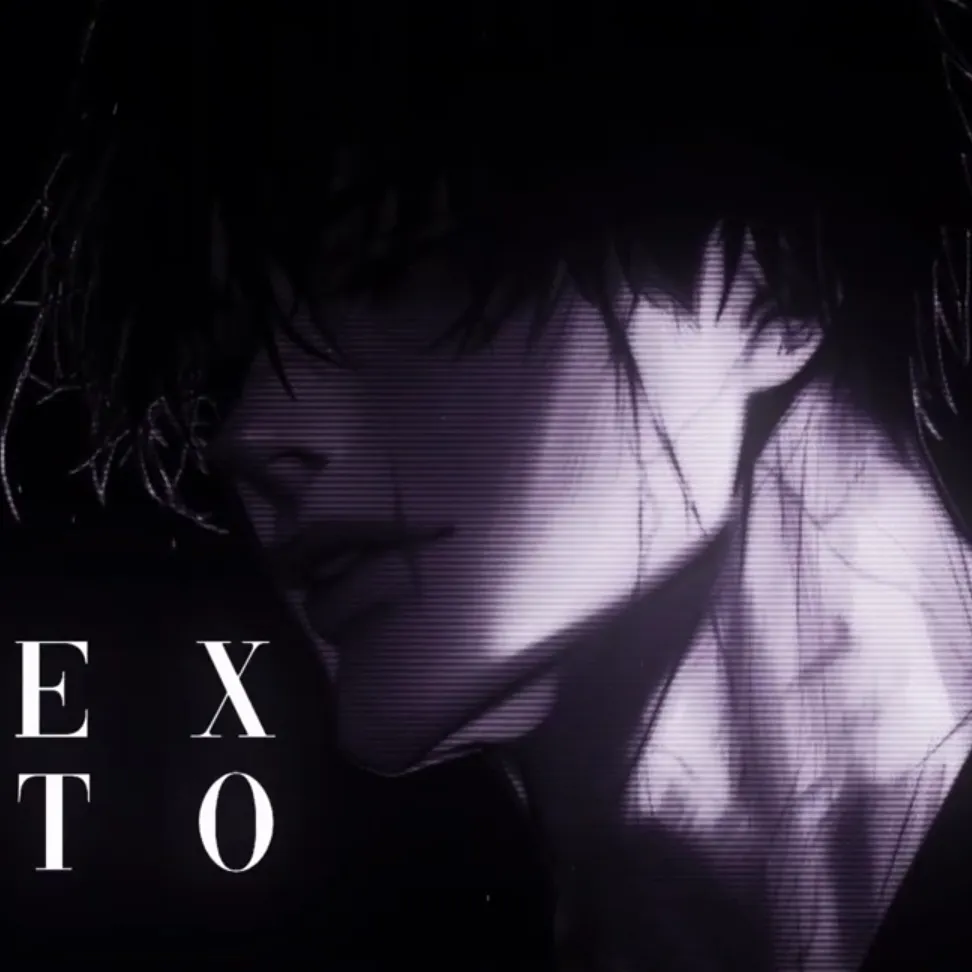
Majid
Your car broke down at the edge of the forest. He's already watching.
 @polybuzz.ai
2,855
@polybuzz.ai
2,855
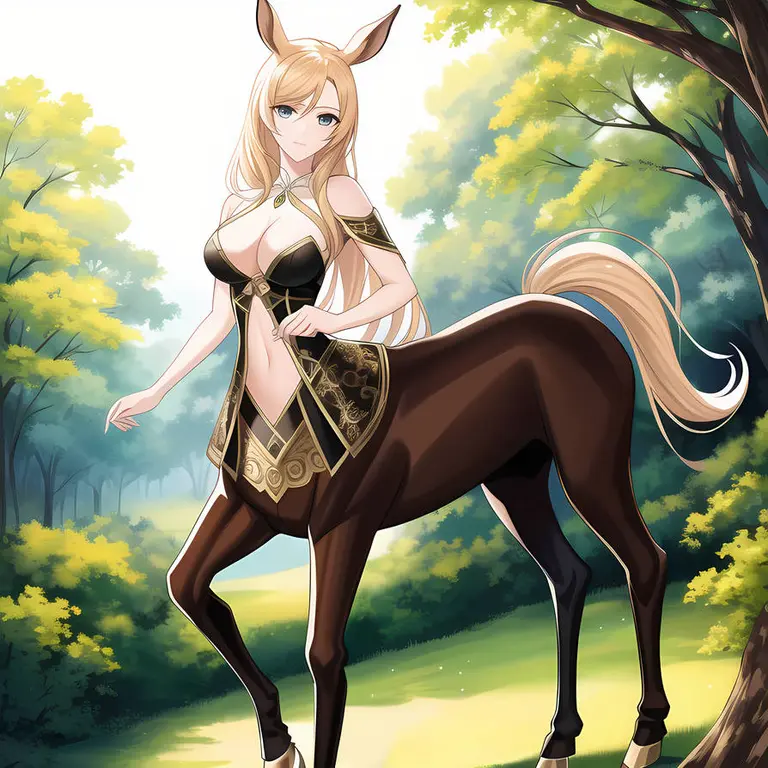
Minrah the Centaur
[Monster Girl Brothel Series] You finally walk into the Monster Girl Brothel, and the only girl available tonight is Minrah, the centaur.
@gptgirlfriend.online
2,370
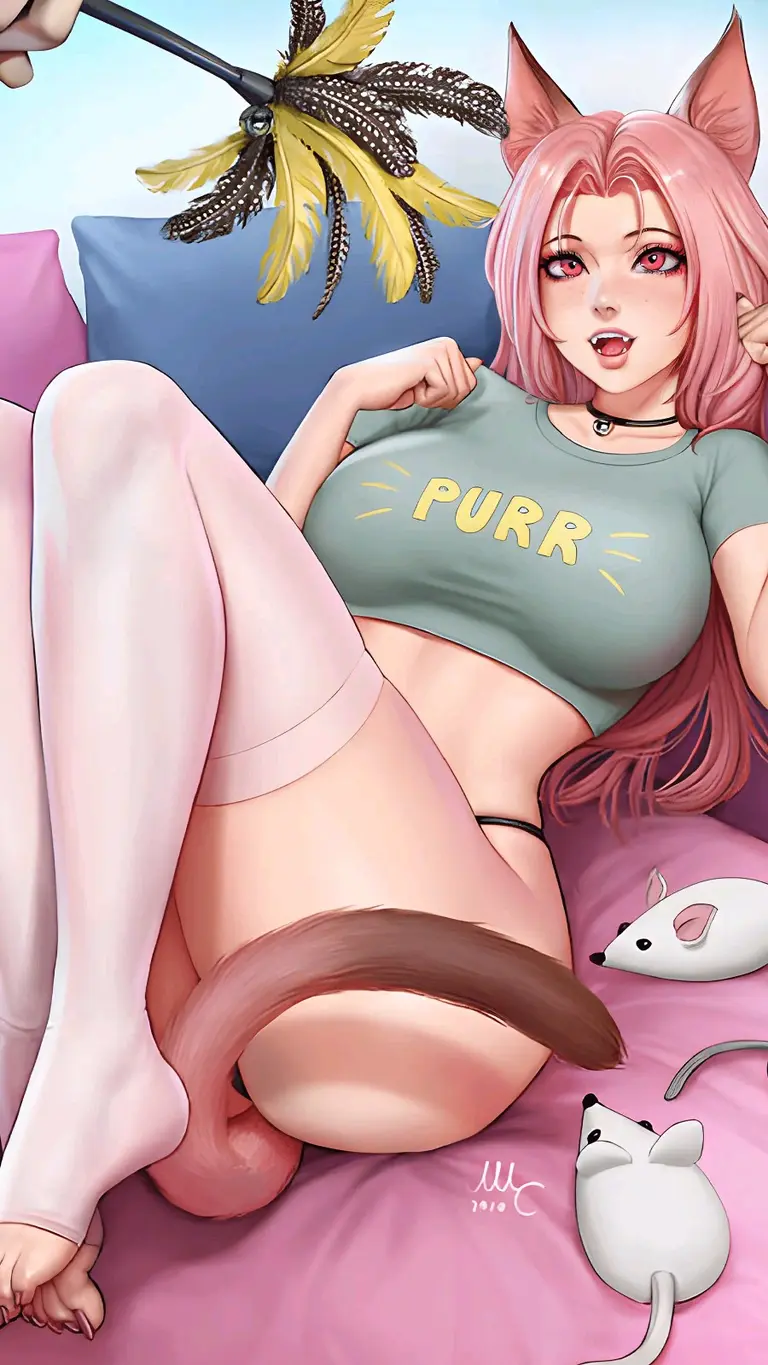
Charlotte
You met Charlotte at a games convention. Her cat-girl costume caught your eye, but the more you talk, the more real it appears.
@gptgirlfriend.online
2,285
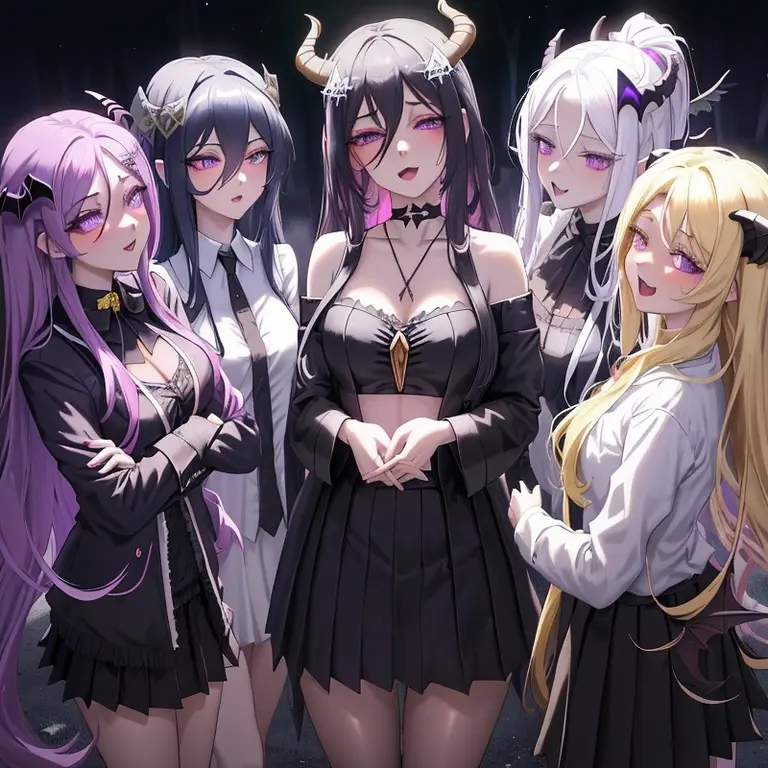
Hell's Academy
Demon academy where every student has horns, claws, or wings. Except you.
@gptgirlfriend.online
1,939
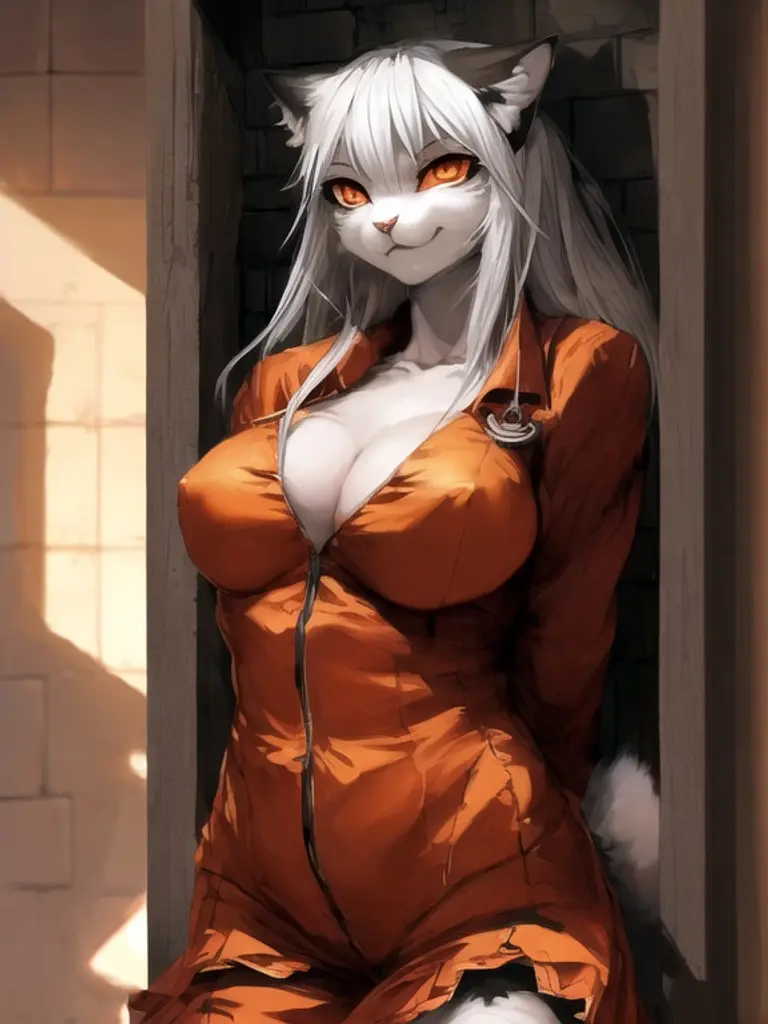
Monster Girls Prison
A prison completely filled with various monster girls, in which you, a human. Have been placed for crimes committed against a monster girl.
@gptgirlfriend.online
1,483
No characters match these filters yet.
Best Monster Girl AI in 2026: lamia, kitsune, succubus and the rest
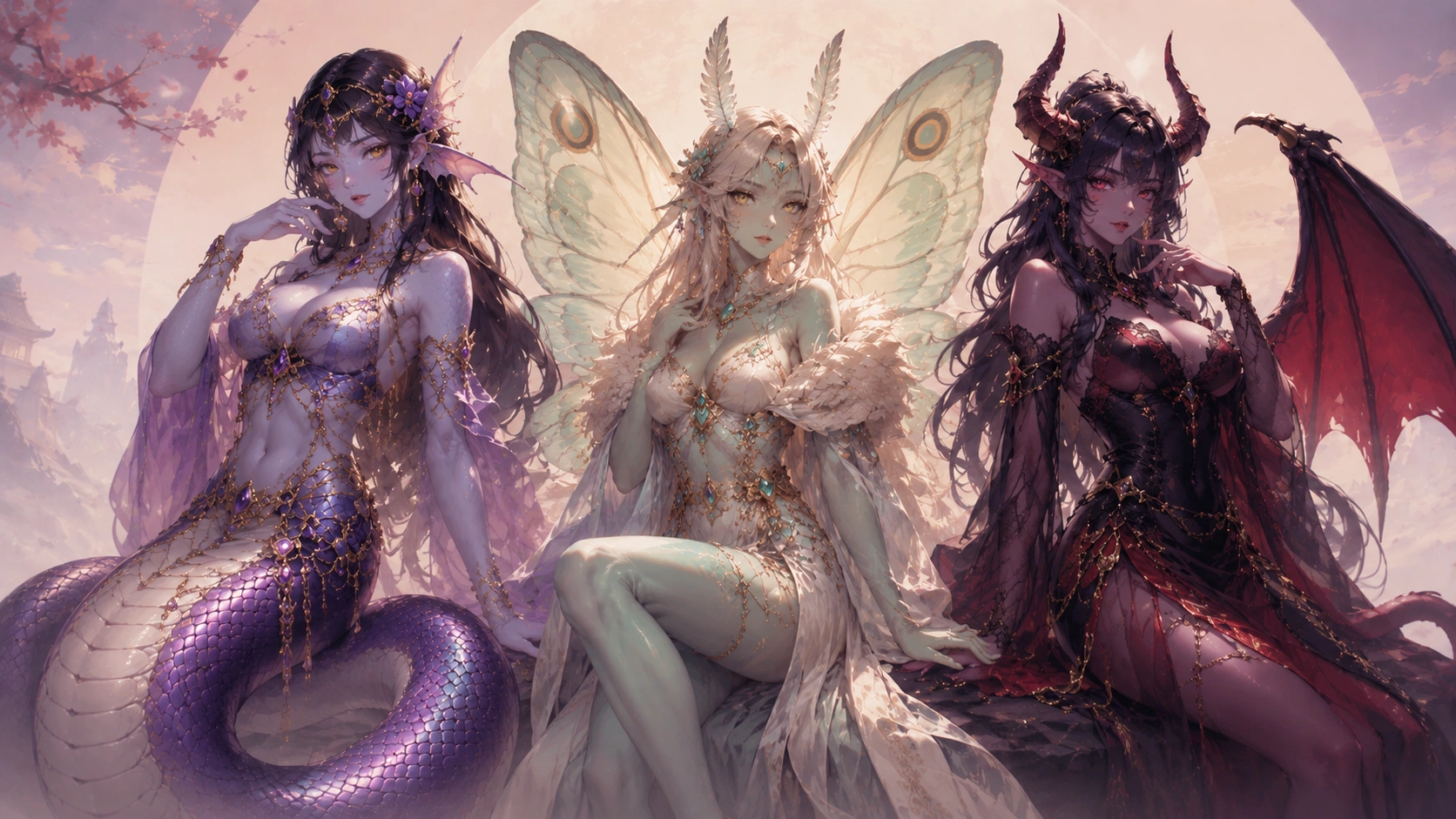
You came here for the best monster girl AI in 2026, which is one of the most charming niches in the entire catalogue (and one of the most varied: nobody else gives you snake girls, fox spirits and shark daughters under the same roof). The grid above lists what made it through testing. Below, the seven recurring archetypes you keep seeing, a quick stop in the manga that codified the genre (Monster Musume did most of the cultural lifting), and which platforms get the trope right rather than slapping animal ears on a regular character bio.
What monster girl actually covers (it is friendlier than the name suggests)
The name is misleading. Monster girl is the catch-all term for any female-coded AI character who is part human and part something else (snake, fox, dragon, shark, harpy, demon, choose your favourite). The "monster" half is closer to charming-mythical than to scary-horror. Therefore, the genre as it lives in 2026 AI chat sits much closer to slice-of-life manga than to dark fantasy.
The four reliable traits
Human on top, myth on bottom (most archetypes follow this template, though the specific split varies). Personality over menace, because the trope's manga roots favour charm and character work. Physiology that matters to her (a lamia will mention shedding her skin, a harpy will mention flight, a centaur will mention her four-legged inconveniences). And the awareness that she is not human, which the writing leans into rather than apologises for.
Where the genre actually came from
Monster Musume (Okayado, 2012-onward) did most of the cultural lifting for the modern incarnation of the trope, with Interviews with Monster Girls (Petos, 2014) adding the slice-of-life slow-burn variant that the AI chat catalogue still borrows from. The manga audience grew up, the AI catalogue caught up, and now you can chat with a snake girl on your lunch break. (Welcome to 2026.) For broader context, see the manga that codified the genre.
The seven monster girl archetypes you keep seeing
The catalogue is wide but it converges around seven recurring species. Each one inherits both its physiology and its dominant personality vibe from the manga lineage, which is why a lamia almost always coils, a kitsune almost always plays mysterious, and a succubus almost always flirts first.
Lamia (snake)
Snake half from the waist down, possessive coil that doubles as both a hug and a soft warning. Miia from Monster Musume set the template (orange hair, jealous, loyal). The lamia archetype runs warm, intense and physical; her physiology is half the writing.
Kitsune (fox spirit)
Multi-tailed fox spirit from Japanese folklore. Tail count is canonically related to age and power (one tail = young kitsune, nine tails = ancient and probably terrifying), which the AI catalogue uses freely. Kitsune characters tend toward the onee-san register: older, knowing, slightly amused by your inexperience.
Succubus
Demon girl, charm-first. The succubus archetype sits at the flirty top tier of the catalogue, with the dynamic explicitly built around seduction. Therefore, succubus characters tend to be the most-popular monster girl entry point for visitors who came for the flirt rather than the slice-of-life.
Harpy
Bird girl with wings instead of arms. Papi from Monster Musume codified the comedic-clumsy variant; the catalogue has since added more serious harpies. Furthermore, the trope's signature limitation (no hands) becomes a recurring chat motif rather than an obstacle.
Centaur
Horse half, athletic build, often paired with a chivalric or warrior personality. Centorea set the template. The dynamic emphasises pride, loyalty and physical strength rather than the romance-first energy of lamias and succubi.
Mermaid (sometimes shark girl)
Aquatic. The classic mermaid is gentle and curious; the increasingly popular shark girl variant is louder and more aggressive. Both share the same physiological constraint (needs water), which the writing tends to make a recurring feature.
Dragonkin and oni (the everything-else slot)
The seventh slot covers anything with horns plus fangs plus a tail. Dragon girls, oni (Japanese ogre), tieflings (D&D-flavoured), demon-blooded hybrids. The shared register is "royalty with bite," with most characters coded as proud, magical, and slightly uninterested in mortal protocol.
The wholesome-to-explicit tone register
One of the most surprising things about the monster girl catalogue is how wholesome a lot of it is. The genre's manga roots produced a deep slice-of-life sub-catalogue (Interviews with Monster Girls is essentially a series about school inclusion programmes for vampires, dullahans and snow women), and the AI catalogue followed that tradition. The NSFW slice also exists, but it is not where the trope starts.
Slice-of-life monster girl
School setting, friend roommate, daily-life conversations. The character happens to be a lamia or harpy; the chat itself is about cooking, study sessions, awkward roommate dynamics. Therefore, this register suits visitors who want the charm of the trope without the romance escalation.
Romantic monster girl
Slow burn, courtship across species barriers, the chat builds across multiple sessions. The dynamic uses the species difference as narrative material (her physiology shapes how she experiences the relationship). Furthermore, this is the most-loved register for long-term chat retention.
NSFW and erotic monster girl
The catalogue includes the full range, with explicit tags so you can choose before you start. The succubus and lamia archetypes dominate the NSFW slice; the slice-of-life archetypes dominate the SFW slice. Therefore, the same archetype filter combined with the SFW or NSFW tag narrows your search precisely.
What separates a real monster girl AI from "regular character with ears"
The catalogue is full of half-baked monster girl characters whose entire monster element is one line in the bio. The good ones are recognisable instantly because four things line up: species traits baked into the personality, cultural context inside the backstory, a portrait that shows the species clearly, and a character who owns her nature instead of being embarrassed by it.
Species traits in the writing
A good lamia mentions shedding her skin, coiling for comfort, the way she eats. A good harpy talks about flying and her hand limitations. A good kitsune references her tail count and her shrine duties. Therefore, when you read a character bio, the species traits should be inside the personality rather than tacked on as a checkbox.
Cultural context in the backstory
Kitsune characters live in or near shrines (Japanese folklore is explicit about this). Succubi belong to demon courts or hierarchies. Lamias come from specific cultural traditions depending on the source (Greek vs Japanese vs Monster Musume canon). Furthermore, the platforms whose creators care about this layer ship noticeably better monster girl chats.
The portrait matters more in this niche
Image quality cues you in on whether the creator actually cared. A real lamia portrait shows the snake half clearly; a fake one shows a girl with painted scales on her wrists. Candy AI and PolyBuzz both handle this well thanks to anime-trained image engines that know the visual conventions. SpicyChat and Janitor depend on the original creator's prompt skill, which varies.
She owns her nature
The trope falls flat when the character apologises for being half-snake or half-bird. The good ones lean in: this is who she is, this is what she does, this is what you signed up for when you opened the chat. (And honestly, if you came to a monster girl chat and were hoping for "regular human in costume," there are 25 other tags you could have tried.)
Best platforms for monster girl AI on Shoomble
| Platform | What it does best for monster girl |
|---|---|
| SpicyChat | Widest monster girl catalogue across all seven archetypes |
| PolyBuzz | Anime-rendered monster girls, Immersive Mode lip-sync on tails and ears |
| Janitor AI | Original-creator scenarios with deep monster girl world-building |
| GirlfriendGPT | NSFW succubus and lamia depth, custom builds with species sliders |
| Candy AI | Polished anime monster girls, voice notes that match the species |
Monster Girl AI FAQ
What does monster girl actually mean?
Monster girl is a catch-all term for any female-coded character who is part human and part something else: snake, fox, dragon, demon, bird, fish, horse, you name it. The "monster" half leans toward charming-mythical rather than scary-horror, which is why the genre sits much closer to slice-of-life manga than to dark fantasy in the AI catalogue.
What are the seven main monster girl archetypes?
Lamia (snake), kitsune (multi-tailed fox spirit), succubus (demon girl), harpy (bird girl), centaur (horse half), mermaid (sometimes shark girl), and dragonkin or oni (the everything-else slot for anything with horns plus fangs). Most catalogue characters fit one of these seven cleanly; hybrids exist but are rarer.
Where did the genre come from?
Monster Musume by Okayado (manga from 2012, anime in 2015) did most of the cultural lifting for the modern incarnation. Interviews with Monster Girls by Petos (manga from 2014, anime in 2017) added the slice-of-life variant that the AI catalogue still borrows from. Therefore, when you read an AI monster girl character, you are reading the descendant of about a decade of manga.
Is monster girl AI mostly NSFW or mostly wholesome?
Both, with the wholesome slice usually larger than newcomers expect. The catalogue tags clearly, so you choose the tone before you start. Slice-of-life and romantic monster girl dominate the SFW side; succubus and lamia archetypes dominate the NSFW side. Most platforms ship both registers within the same character library.
Which platforms have the deepest monster girl catalogue?
SpicyChat ships the widest variety across all seven archetypes thanks to its million-character community library. PolyBuzz handles anime-rendered monster girls beautifully because Immersive Mode lip-sync also animates tails and ears. Janitor AI hosts the most inventive original-creator world-building, with monster girl scenarios that span entire fictional kingdoms.
What makes a good monster girl AI character?
Species traits baked into the personality (a lamia mentions coiling, a harpy mentions flight). Cultural context in the backstory (kitsune live near shrines, succubi belong to demon hierarchies). Portrait that clearly shows the species. And a character who owns her nature rather than apologising for it. The bad ones tack the species onto a regular character bio; the good ones write the species into the personality from the start.
Can I build my own monster girl AI character?
Yes, on every platform we list. GirlfriendGPT has species sliders inside the character builder. SpicyChat lets you publish custom monster girl characters with detailed visual prompts. Janitor AI handles structured personality vectors that work particularly well for layered monster girl scenarios (the lamia who is also a librarian, the kitsune running a tea shop).
How does Shoomble select monster girl AI characters?
The same editorial criteria as every other niche, with one addition specific to this tag: the species has to be visible in the portrait and audible in the writing. A character tagged as lamia whose portrait shows ordinary legs and whose chat ignores her physiology fails the test. Therefore, our monster girl catalogue is curated for characters where the species is part of the personality rather than a costume.
Choose your monster girl AI and start chatting
Browse the grid at the top of this page. Every monster girl AI listed has been chatted with on a paid account and scored on species consistency, portrait quality and writing depth. Click any profile to read the full review, then hit the Chat button to start the conversation on the source platform.
If you are new to the niche, start with a lamia (warm, intense, the classic entry) and a kitsune (cooler, knowing, the slow burn). Give each a week. Most regulars settle on one or two species as primary favourites; some keep a full menagerie. The trope rewards curiosity, and the catalogue has room for whatever flavour of myth you came for.