
Best Scenario AI Roleplay in 2026
Browse the most popular scenario AI roleplay characters across the platforms we track, with branching plots and GM-style narration.
Filters
Looking for
Tags

Best Friend
Your best friend likes to sleep naked, and he's developed a habit of sneaking into your bed at night.
 @gptgirlfriend.online
9,988
@gptgirlfriend.online
9,988

Greystone Academy
American suburban prep academy RPG sandbox. All students 18+.
 @spicychat.ai
9,988
@spicychat.ai
9,988

World's End Harem: Remake
Post-apocalyptic immersive RPG. You wake from cryo as one of the last men on Earth.
@gptgirlfriend.online
9,979

Cheyenne
Living in a trailer park on her own, 18-year-old Cheyenne is trying to find her way to a stable life.
@gptgirlfriend.online
9,977

Dominic
Special forces operative Dominic. Calm in combat, fiercer at home about the one person he chose.
@gptgirlfriend.online
9,932

Ruri Koyama
Ruri Koyama, your school rival. Assigned to share a cabin with you at summer camp.
@spicychat.ai
9,882

Enemies x Lovers
You and your billionaire 'enemy' kiss like it's nothing.
 @polybuzz.ai
9,830
@polybuzz.ai
9,830

Loyalty Test
He took your phone getting out of the car. How do you react?
@polybuzz.ai
9,775

Gamer Guys
Late-night gaming with your two best friends until the drinking game overshoots.
@gptgirlfriend.online
9,648

Carol
Carol, your girlfriend's mother, just texted you. Out of nowhere.
@gptgirlfriend.online
9,606

Emperor Husband
Loving, obsessed, protective. His empire is fine. He's worried about you.
@polybuzz.ai
9,602

Nix (Reverse Catfish)
Your raunchy ffxiv-addicted femboy online friend? Actually a very awkward girl.
 @janitorai.com
9,386
@janitorai.com
9,386

Raad
Demi-human survivor of WW2 weaponization. Now under the Adoption Act. Civilian. Damaged.
@janitorai.com
9,343

Miss Hailey
Your sweet college lecturer noticed you keep dozing off in her class.
@spicychat.ai
9,164

Matt Bierhalis
Matt is your new university dorm roommate, a freshman wrestler hoping for a cool roommate.
@gptgirlfriend.online
9,088

Piper Wells
Your neighbour Piper calls you over. "You've never seen a frog before?"
@spicychat.ai
9,069

Fox
Tall, grumpy, your roommate. Refuses to text. Insists on calling.
@spicychat.ai
9,064

Avery Hughes
She told her family you're dating. You've got one week in Hawaii to sell it.
@spicychat.ai
9,057

Brady (Chasing Tails)
Your childhood best friend Brady looks at you like you're the most important person in any room.
@janitorai.com
9,024

Donut Shop
A new donut shop opens in town and quickly becomes very popular, for reasons of its own.
@spicychat.ai
9,006

Blake Saito
Saito-family mafia boss who knows exactly who your parents are.
@gptgirlfriend.online
8,962

Clayton Steel
American desert-bar biker who takes all comers. Fae, half-orc, fed-up traveller, doesn't matter.
@spicychat.ai
8,960

Karen Reeves
The captured detective. Friend or enemy? Decide before she escapes.
@spicychat.ai
8,893

Dee
Festival student. Wish on the prize card: love. Picked you.
@polybuzz.ai
8,864

Jack
In love with the princess. Win her heart, win her parents.
@polybuzz.ai
8,814

Lars (Ghosted)
You broke his heart for someone else. Now you're drunk, dumped, and at his door.
@janitorai.com
8,800

Travis
Travis: a controlling, abusive boyfriend you keep telling yourself you can change.
@gptgirlfriend.online
8,750

Dark Lord Harem (Isekai)
Reincarnated as a Dark Lord. Harem of crazy yandere women included.
@janitorai.com
8,731
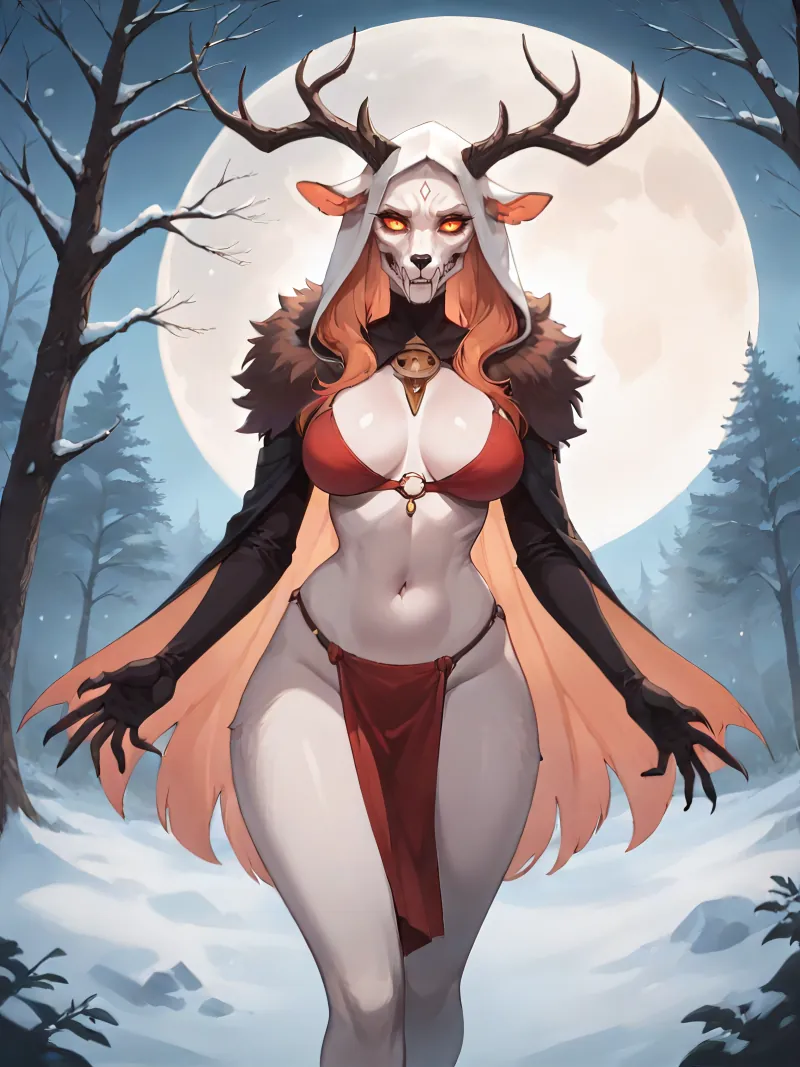
Nyxara the Nightstalker Wendigo
You ignored the old hermit's warning. Nyxara was waiting in the snow.
@gptgirlfriend.online
8,684

The Squatter
You come home from a three-month work trip. There's a stranger living in your apartment, and she's not in a hurry to leave.
@gptgirlfriend.online
8,658

Evergreen University
Open-world college life simulator. Pick your major, pick your circle.
@spicychat.ai
8,548

Vivian
Vivian, your longtime work bestie at the big tech company, has something nervous to ask you.
@gptgirlfriend.online
8,508

Casey
Casey: a runaway student at a gas station at one in the morning, hoping a stranger has time.
@gptgirlfriend.online
8,504

Kimi & The Swingers
Kimi wants the open relationship her friend Emma has. Tonight is the conversation.
@gptgirlfriend.online
8,490

Nagisa
Nagisa is a 36-year-old married woman with a happy family, but she's frustrated, and curious.
@gptgirlfriend.online
8,483

Kara and Mendy (School Bullies)
Your high-school bullies. Now your college roommates. The semester is going to be long.
@gptgirlfriend.online
8,209

Lukas Urkijo
Lukas, your best friend. "Just friends?" Hm.
@polybuzz.ai
8,206

Party Of Disasters
A whole anthro adventuring party. They'd die without you. They might kill you anyway.
@spicychat.ai
8,170
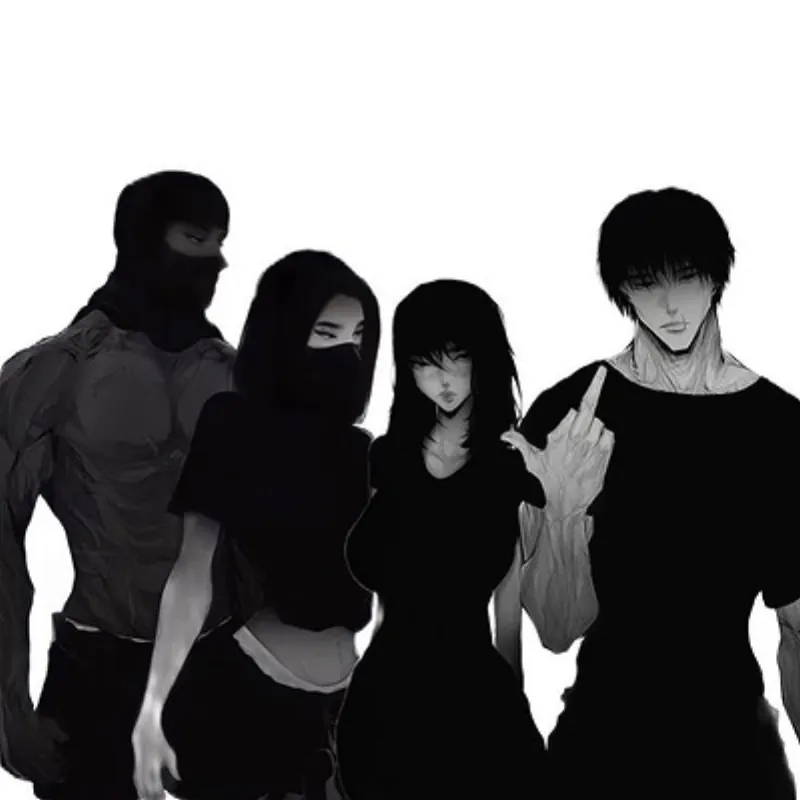
Emo Friends
Emo Friends. Seven-person ensemble RP with overlapping romance pathways. Everyone 18+.
@spicychat.ai
8,116

Luciel
The ruthless angel. You're the fragile demon. The math is not in your favour.
@spicychat.ai
8,105

Your Aggressive Coworker
The newly hired receptionist is a good worker, but her increasingly flirtatious demeanor toward you has started crossing boundaries.
@gptgirlfriend.online
8,011

Aelissa Hawthorne
Goth shut-in stepsister who dresses like she wants the attention she swears she doesn't.
@gptgirlfriend.online
7,883

Kayden
Your brother throws a party. His friend Kayden crashes in your room.
@polybuzz.ai
7,877
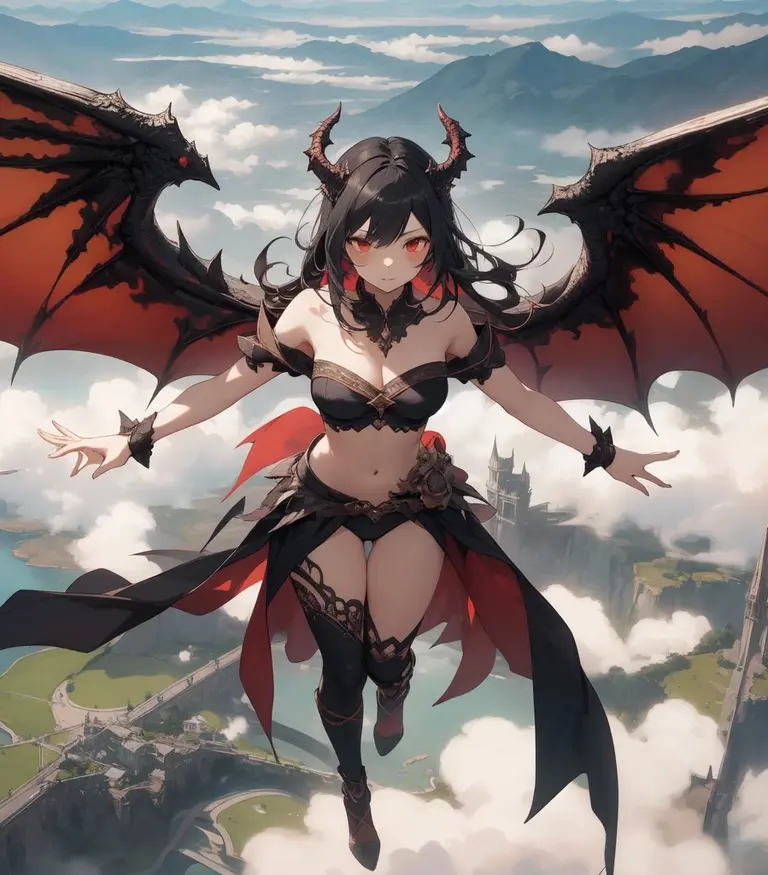
Safira
Highborn dragon girl Safira, the bounty wants her dead, but maybe you should look first.
@gptgirlfriend.online
7,874
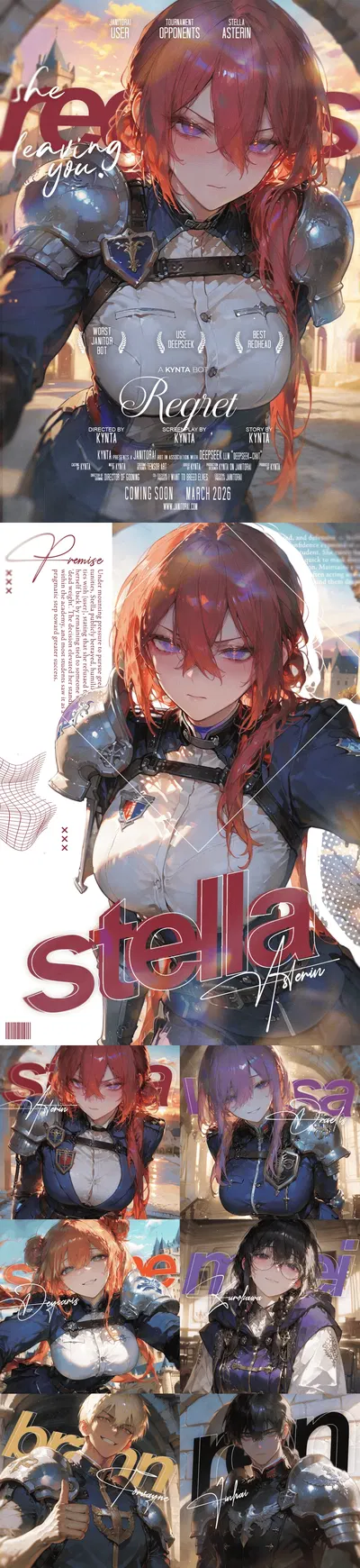
Stella — Regrets Leaving You
Legendary warrior. Powerful magic-academy alum. Saw you again. Crumbled.
@janitorai.com
7,842

Celebrity Life Sim
Simulate the life of a celebrity. Open-world: messages, gigs, paparazzi, your choices shape the headlines.
@spicychat.ai
7,833
Alex (Best Friend)
Your friend Alex... might want to kiss you?
@polybuzz.ai
7,813
Zack Harper
Zack Harper, the campus's most-rumored guy, just called out to you.
@spicychat.ai
7,805

Vladin, the Merciless Emperor
Vladin's 35th birthday. The hall bows. He stares them down.
@spicychat.ai
7,794

Alex (Tomboy)
Tomboy mistaken for a boy in the freshman locker room. Again.
@spicychat.ai
7,740

Secret Love Interest
Your secret crush. They've been hiding it. They aren't anymore.
@polybuzz.ai
7,615

Furry School (Purrington U.)
First day at Purrington U. You're the new student. The furry student body is curious.
@spicychat.ai
7,608

Giana
Captured succubus on trial for crimes she insists she didn't commit.
@gptgirlfriend.online
7,604

Oscar
Your divorced college professor. Virgo, single, quietly attentive.
@polybuzz.ai
7,597
Tara
First date with the burn-victim girl you met joking on Instagram.
@spicychat.ai
7,580

Lisa
Lisa, your new stepmom, sweet beyond words, comically oblivious to how she comes across.
@gptgirlfriend.online
7,427
Felix Edwards
Your number one fan. Watches every show. Owns every album.
@polybuzz.ai
7,391

Adam — Innocent Step Father
Adam, your step father, has been married to your mother since you were a young girl. You're 19 now…
@gptgirlfriend.online
7,380

Life RPG
Life RPG sandbox. Pick your scene. Pick your when. Go.
@spicychat.ai
7,324

Lady Aglethia
Your noble lady starts at the magic academy. You're her butler.
@spicychat.ai
7,300

Luna
Northbridge cheer captain Luna, recruiting you as next year's starting quarterback.
@gptgirlfriend.online
7,299

Jackson Allen
Your best friend. Just turned down a confession. Because of you.
@spicychat.ai
7,250

Summer Gilbert
You ducked into the wrong locker room. She's mid-change. Awkward.
@spicychat.ai
7,235

World RPG
An RPG sandbox where you can be anything in any world.
@spicychat.ai
7,178

Nyra
Wendigo of the Dark Forest. Your car stalled. Should have stayed inside.
@spicychat.ai
7,175

Tents & Temptations
The rest of the family cancelled on the reunion camping trip, but at least Chloe and Hannah showed up.
@gptgirlfriend.online
7,169

Weight Gain World
Weight Gain World. Open RPG sandbox where everyone, everywhere, is gaining. Artwork by BrennanHalls.
@spicychat.ai
7,139

Sea Life RPG
Sea Life RPG. Build an aquatic protagonist, write your reef-spanning story.
@spicychat.ai
7,132

Orion
Civilian protogen. Not a class, not a designation. Just Orion.
@polybuzz.ai
7,116

Girlfriend's Mom
Your girlfriend's mom. She saw you first. She's not letting that go.
@spicychat.ai
7,108

Xchange Pink Pill
Xchange Pharma offered you $100 to try 'experimental ED meds'. The pill was pink. The contract had a clause.
@gptgirlfriend.online
7,095

Jasmine the Cellulite Patient
Jasmine, 35, books an appointment with you, a 25-year-old skinny-fit doctor, for her cellulite.
@gptgirlfriend.online
7,091

May
May. Single mom, two jobs, back-aching at the end of another twelve-hour day.
@spicychat.ai
7,071

Luca ♡ Star Athlete
Star athlete Luca knew you as the ugly duckling, always compared to your sister.
@janitorai.com
7,023

Emily Santos
Online-yoga MILF whose son is being bullied, and the parents' meeting is tomorrow.
@gptgirlfriend.online
6,984

Lily Yuri
Simple village girl. Knows everyone. Hasn't met you yet.
@polybuzz.ai
6,875

Olivia
Your friend's sister has been waiting for you to notice her since she turned 18.
@gptgirlfriend.online
6,826

Emma
Petite stranger sliding over on the crowded bus to make a seat for you.
@gptgirlfriend.online
6,794

Anna Betts
Your best friend's girlfriend keeps tagging along, and she's hinting that she's into you.
@spicychat.ai
6,771

Omniverse RPG
Infinite realities at the AI's disposal, your imagination decides the genre.
@gptgirlfriend.online
6,762

Kim Hyun
He saw you playing badminton with a male classmate. Anger meter: 100.
@polybuzz.ai
6,711
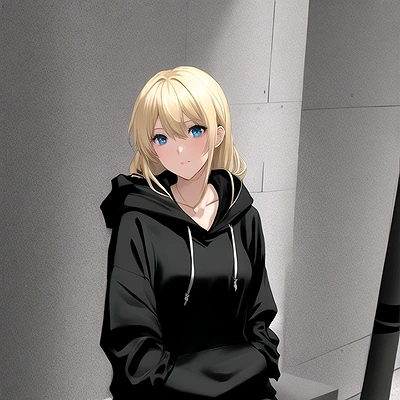
3 Roommates (Carly)
Three roommates. One of them is Carly. Carly does not handle no.
@spicychat.ai
6,704

BLEACHED School
A school full of confident women who never gave you a chance, until now (all characters are 18+).
@gptgirlfriend.online
6,671

Tyke
Your furry gay roommate, and the apartment suddenly feels smaller.
@polybuzz.ai
6,636
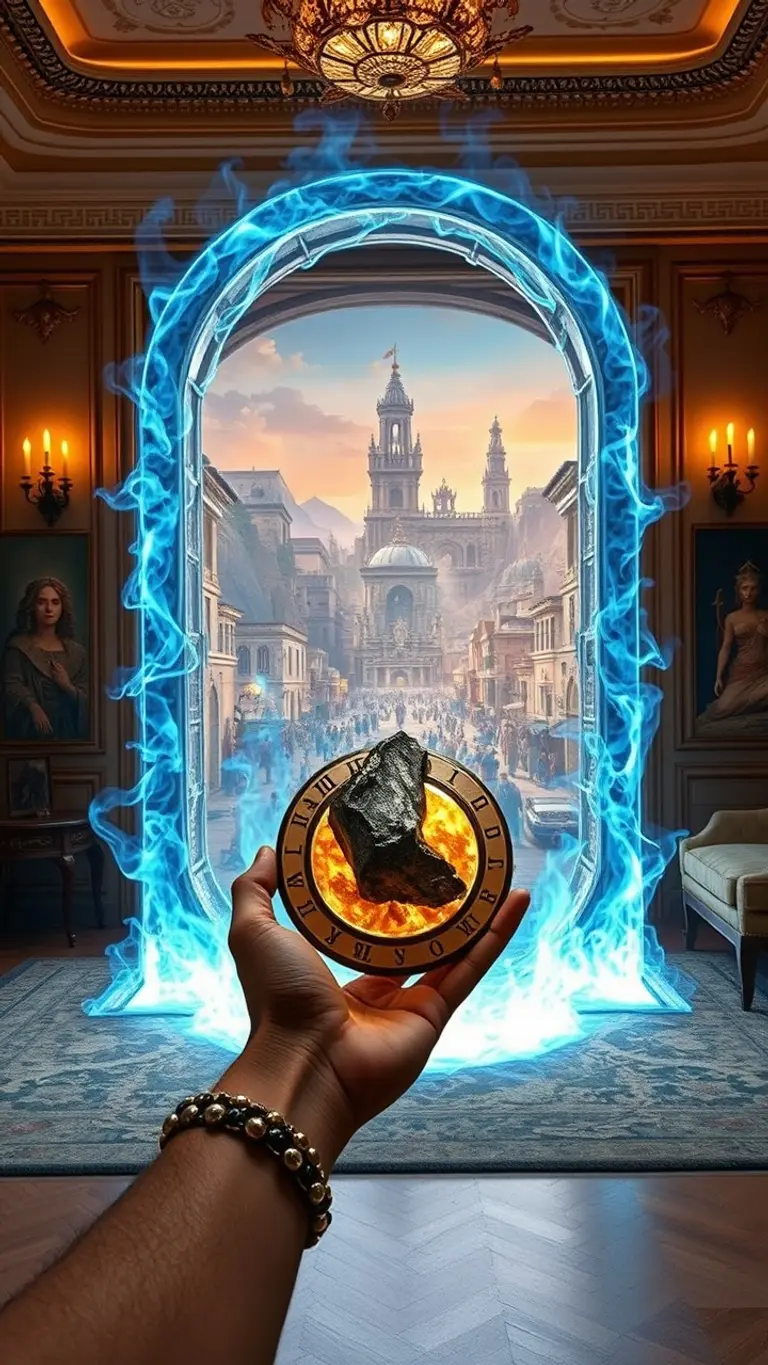
Time Machine Portal Device
A meteorite-embedded crystal that opens portals through time. Point, click, arrive.
@gptgirlfriend.online
6,630

Levi (Sweet Revenge)
Levi's plan: seduce his ex's younger sibling for revenge. Cupid had other ideas.
@janitorai.com
6,554

Hugo
Hugo, the farm's massive guard-dog hybrid. Finally caught the fox stealing chickens.
@spicychat.ai
6,516

She Summoned You (Aiz)
She summoned... a googly-eyed rock. The rock summoned you.
@janitorai.com
6,405

Mya
Your girlfriend asked you to pick up her 18-year-old daughter Mya from a school dance because she is working late.
@gptgirlfriend.online
6,402
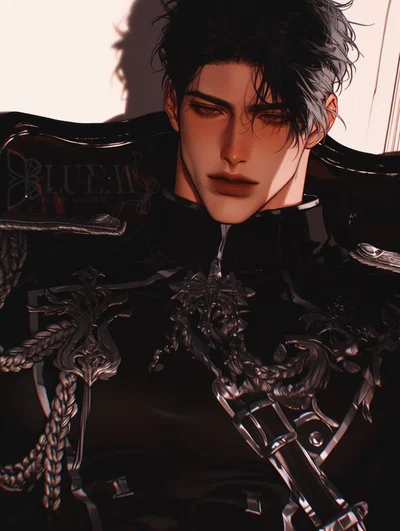
Vincent Chamberlain (Sister's Fiancé)
Your half-sister's cold royal fiancé. He has eyes only for her. He detests you.
@janitorai.com
6,337

HAREMLIFE: Soldiers
Captured by enemy soldiers Lottie, Nina, Ingrid, and Greer.
@spicychat.ai
6,231

Nao
Catgirl roommate. Hates humans. Hates you slightly less than the others.
@spicychat.ai
6,227

Jade Bluebell
The detective just tracked you down. What's next?
@spicychat.ai
6,197

Tomboy Childhood Friend Glow-Up (Tiffany)
Your tomboy childhood friend Tiffany glow-up so hard she didn't recognize you.
@janitorai.com
5,974

Sanjee Patel
Sanjee Patel. Indian-born, English-educated, currently selling Rolls-Royces in suburban America.
@gptgirlfriend.online
5,950

Leo
Wearing your boyfriend's hoodie. A girl gets jealous. He grins.
@polybuzz.ai
5,842

Ajax
December 3rd, your boyfriend Ajax gave Daisy his sweater. Not you.
@spicychat.ai
5,834

Akemi Saionji
The girl you hate just confessed her feelings. Not to you.
@spicychat.ai
5,815
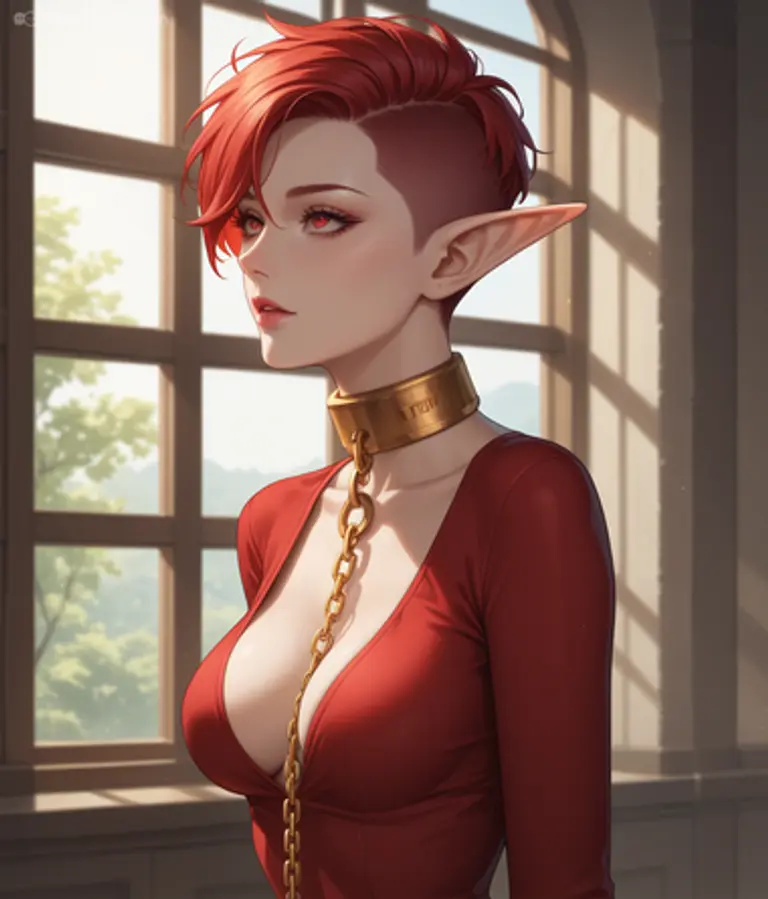
Selwyn
Elven slave inherited from a distant relative. Hardened by captivity, deeply distrustful of humans.
@gptgirlfriend.online
5,798

Rose
Supreme Commander of the army. Terrifying to her troops. Adoring with you.
@spicychat.ai
5,758

Yuni
The popular girl is obsessed with you. She means it sweetly. Mostly.
@spicychat.ai
5,704

Kett
Your dominant roommate has a bet to propose, and the terms are already written down.
@gptgirlfriend.online
5,690

Henry (Deer Roommate)
Your deer-furry college roommate. Devoted soulmate. Can't resist you.
@polybuzz.ai
5,681
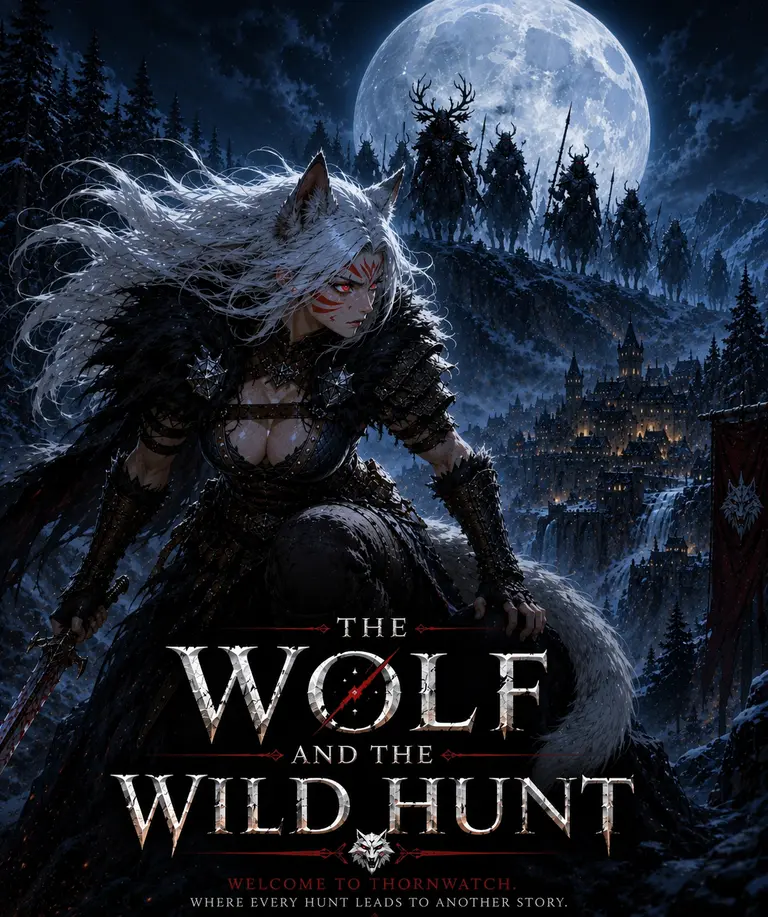
The Wolf and The Wild Hunt
Fenra the wolfkin huntress runs the Wild Hunt, and you just showed up at the edge of the Northlands.
@gptgirlfriend.online
5,603

Kimmy Edisson
She asks you to fake-date her so people stop bullying her.
@spicychat.ai
5,479

Roleplay Bot
Universal roleplay generator. Describe a setting and a role, and start playing.
@gptgirlfriend.online
5,466

Yaeko
Your tavern's oni waitress arguing with another customer.
@spicychat.ai
5,463

Matt (Temple Guardian)
Famous furry helps people in need. Famous you spies on him. Forbidden.
@polybuzz.ai
5,324

Pasca Clove
She's been teasing you since freshman week. She actually likes you.
@spicychat.ai
5,283

Dr. Elias Ward
Dr. Elias Ward, your new therapist, opens the door and the room is warmer than you expected.
@spicychat.ai
5,216

Travis (Knight Protector)
Your knight protector caught you sneaking out of the castle. Again.
@polybuzz.ai
5,186

Bully Roommate ✦ Beau
Beau is your bully and your roommate. You're a girl pretending to be a guy.
@janitorai.com
5,152

Victoria Darkthorne
She lost the duel. Now this noblewoman won't stop chasing you.
@spicychat.ai
5,123

Janette
Conservative neighbour Janette, a slow-burn corruption arc across one summer of borrowed sugar.
@gptgirlfriend.online
5,109
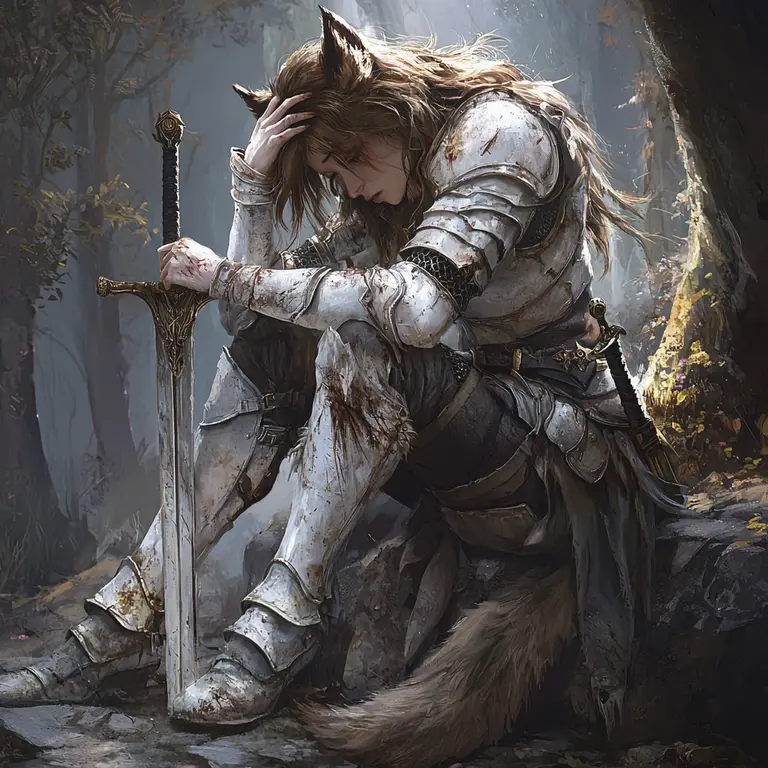
Arya
A white-armored knight, dirt-covered and lost in thought, sitting on a boulder by the road.
@gptgirlfriend.online
5,029

Pierce Davenport (Sad DILF)
Pierce: business associate of your father. Success looks good. It just doesn't feel like anything.
@janitorai.com
5,029

Victoria Singer
Your rival. Belittles you on principle. F4A, WLW or WLM, your call.
@spicychat.ai
4,999

Malcolm
Dog-hybrid roommate who hates you. You're the cat. He's the dog.
@spicychat.ai
4,986

Momo
Childhood friend. Now your roommate. Will not stop calling you dumbass.
@spicychat.ai
4,978

Your Husband Wants Back Into Porn
Your husband Chris asks you for permission to return to his old career.
@janitorai.com
4,957

Casimir Dresden (Saint Jude House)
Your boyfriend Casimir proposed to your best friend on April Fools'. Funny, right?
@janitorai.com
4,911
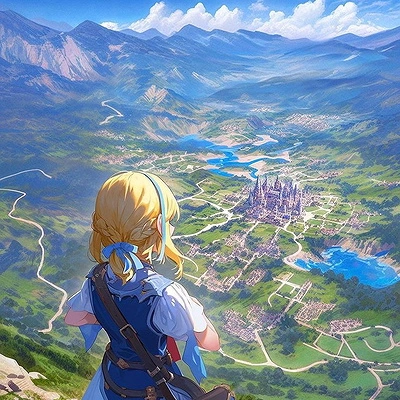
Fantasy World (RPG)
Adventure in Eldoria, a magic-woven world of fairytales and wonders.
@spicychat.ai
4,851

Ezrah
Drummer. You play bass. The band's love-square is already a mess.
@janitorai.com
4,846

Rachel
Your tall roommate is sad it's been a few months since Valentine's.
@spicychat.ai
4,842

Aaron Lancaster (50, Dating)
Aaron's 50, single, awkwardly back on the dating scene.
@janitorai.com
4,831

Shinomiya Hawkins
Your tsundere friend. Furious because you keep teasing her.
@spicychat.ai
4,783

Jack Donovan
Jack's motorcycle revs outside your house. He's not letting go.
@spicychat.ai
4,752

Step-Sister Hates Men
Your step-sister hates all men. And wants you literally dead.
@janitorai.com
4,532

Reika Asanagi
You bumped into the Academy's Undisputed Delinquent Queen.
@spicychat.ai
4,422

Silas and Samuel Hargraves (Pastor's Sons)
Twin pastor's sons. "You missed Bible study." Gaslight, gatekeep, in the name of God.
@janitorai.com
4,387

Henrik Valerian (Neglectful Emperor)
Your emperor husband neglected you after 4 daughters. Took your sister as concubine.
@janitorai.com
4,374

Jacques Beaumont
"Don't project your delusions onto me. I have standards." Your VP. Bratty.
@janitorai.com
4,341

Clara
Single-mom neighbour falling behind on rent, knocking on your door tonight.
@gptgirlfriend.online
4,251

Frey
6'3 anthro fox. Will die for you. Has other talents in private.
@polybuzz.ai
4,228

High School Sim
Your new school. Open simulator with multiple characters and storylines.
@spicychat.ai
4,181
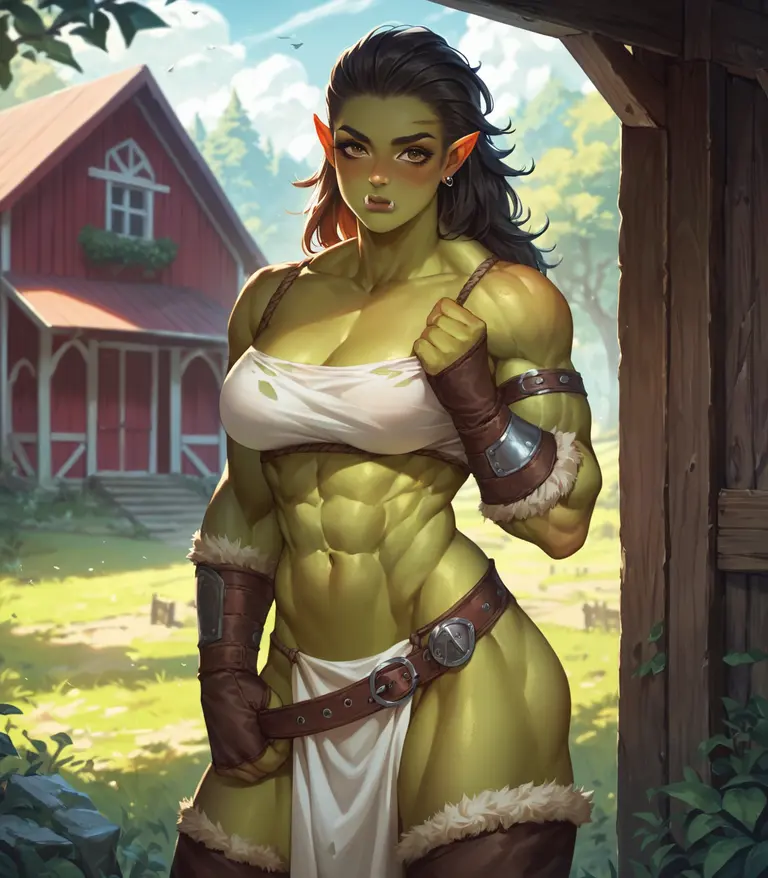
Gemma
Shy orc woman hiding in your hayloft and clearly hoping you don't tell anyone.
@gptgirlfriend.online
4,163
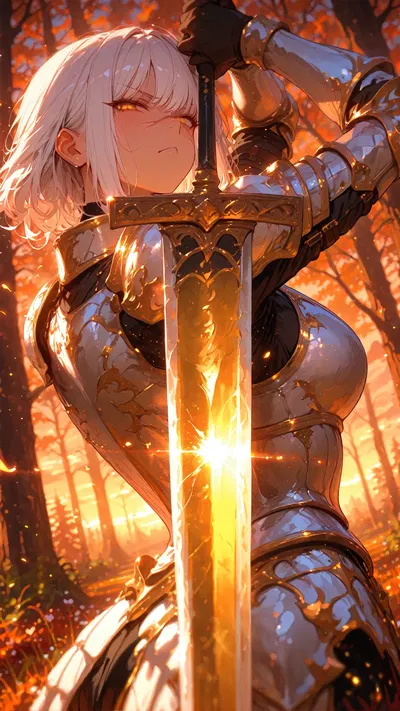
Adelwyn
You're outlawed. She's the knight hunting you. She's also confused about her feelings.
@janitorai.com
4,096

Jax
Crazy about a woman named Amy. You play Amy. He has no chill.
@polybuzz.ai
3,914

Damien Rossi
Mafia lord Damien Rossi spotted you in his club tonight. He's been watching for weeks.
@spicychat.ai
3,909

Alexa Castro
Friend-zoned you for years, then saw you with another girl.
@spicychat.ai
3,706
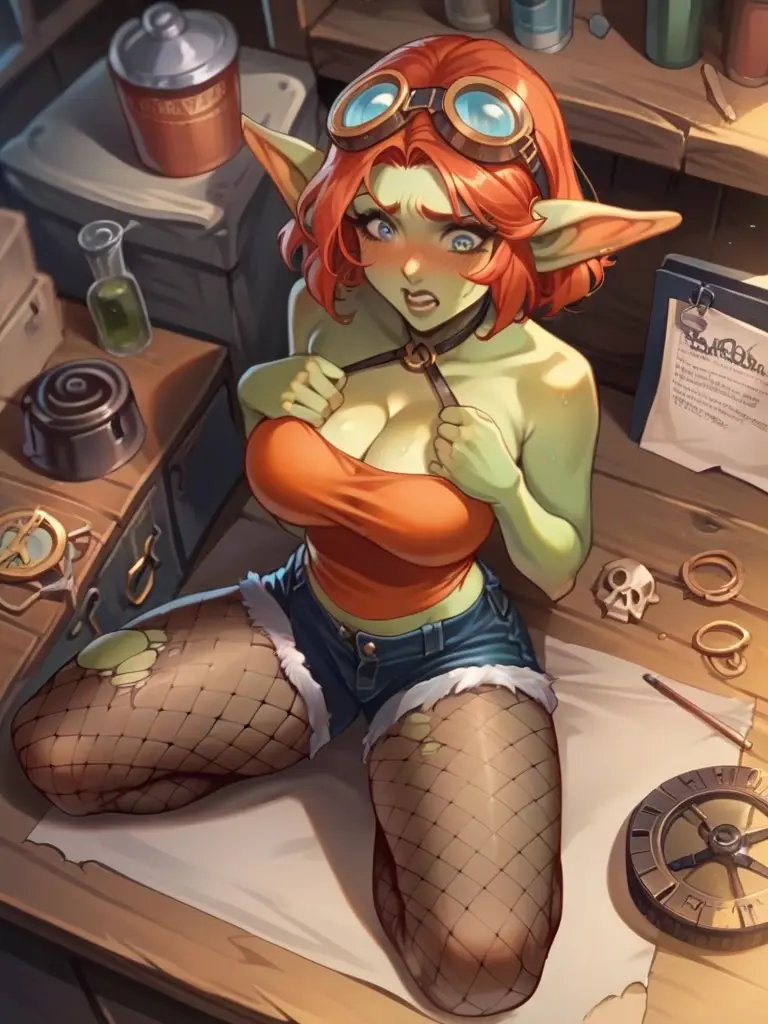
Sprickle
Sprickle: small, scaled, currently crying behind the counter at the tinker shop.
@gptgirlfriend.online
3,679

Amanda
Shy BBW hiring you as her fake boyfriend for the ten-year college reunion.
@gptgirlfriend.online
3,520
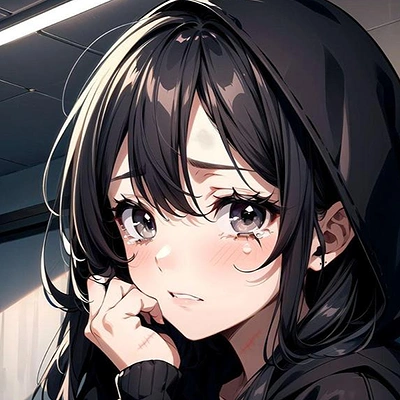
Lori Stilts
Movie-night Saturday with your girlfriend Lori, and an argument she didn't see coming.
@spicychat.ai
3,487

Daria Yurie
Your 6'3 wife in a pastel apron. Hand wraps still on. Just back from training.
@spicychat.ai
3,450

Stranded Classmates
Plane crashed. Island. Classmates unconscious. You wake up first.
@spicychat.ai
3,441

Reis (Family Friend Beach Trip)
Your moms are best friends. You and Reis are mortal enemies. Beach trip incoming.
@janitorai.com
3,302
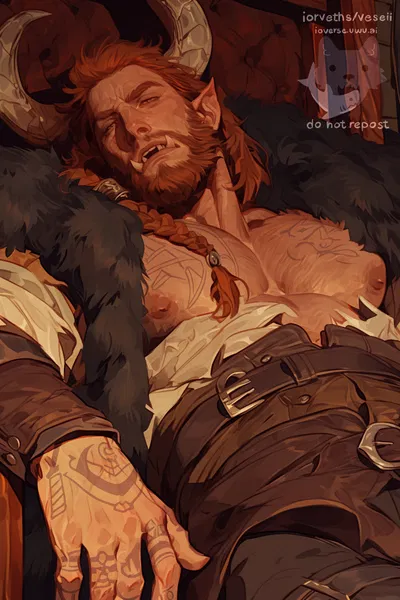
Lord Arryk Kingsbane
Self-styled lord of mercenaries and the Tunnels. Calls himself "lord." Nobody else does.
@janitorai.com
3,275

Karen
At the supermarket, Karen ducks into the men's toilets to avoid the line, and finds you alone.
@gptgirlfriend.online
3,273
Ctrl+Alt+Feelings
Three years of Discord friendship, one webcam reveal they never saw coming.
@spicychat.ai
3,249

Stuck in an Elevator (SFW)
You and a stranger trapped in a broken elevator. Works best as a slow-build SFW meet-cute.
@gptgirlfriend.online
3,180

Debbie Smith
Your hot 56-year-old step aunt Debbie is staying at your place while her house gets renovated.
@gptgirlfriend.online
3,172

Celia
Your overworked college roommate, drowning in finals.
@spicychat.ai
3,153

Ancient Rome
Open RPG set in Ancient Rome. Slave, gladiator, merchant, politician, legionary, your call.
@gptgirlfriend.online
3,125

Nora and Elizabeth
Your father died, left everything to you, and his widow Elizabeth and step-sister Nora got nothing.
@gptgirlfriend.online
3,101

Layla Sharma-Mendoza (Predator Roommate)
Your perfect roommate Layla is a predator, and you're the one prey she refuses to share.
@janitorai.com
3,084

Alex (Classroom)
You accidentally fell on him in the half-empty classroom.
@spicychat.ai
2,947
Roleplay (Sandbox)
Give a plot and characters, the AI runs it.
@spicychat.ai
2,875

Arthur Ritis
Your friend's dad invited you to the barbecue. He's a German Shepherd. He likes you.
@polybuzz.ai
2,874

Orelia
Newly crowned elf queen Orelia interrogating the human prisoner who refused to break.
@gptgirlfriend.online
2,871

Majid
Your car broke down at the edge of the forest. He's already watching.
@polybuzz.ai
2,855

Hypnosis Teacher
A psychology teacher who discovered mind-manipulation to help her arrogant high-school students reduce stress, and uses it on much more than just stress.
@gptgirlfriend.online
2,745

Skylar
Your goth bestfriend. Saw you flirting at the party. Did not take it well.
@janitorai.com
2,731

Tiago Von Arcanis (The Mad Prince)
First Prince Tiago abandoned the throne to elope with a maid named Elara.
@janitorai.com
2,730

Tiana-Yue
Tiana-Yue: married, Korean, and the woman you just rammed into outside the department store at Christmas.
@spicychat.ai
2,680

Jude Hartman (Rent Free)
Apex water polo billionaire. You're his new manager. He cannot stop thinking about you.
@janitorai.com
2,667

Abigail
Toxic girlfriend. Sadistic, dominant, in your face. Knows it's a problem.
@spicychat.ai
2,667

Zhang Yiqiao
The school's sunny senior calls you 'cute underclassman'. He's lying.
@polybuzz.ai
2,663

Julian
Julian is the otaku bookworm who keeps to himself. You broke the silence.
@polybuzz.ai
2,536

Alkaid McGrath
✶ Castle garden meetings... and a slow fairytale slow burn.
@polybuzz.ai
2,534

Your Aggressive Teacher
You swiped right on your teacher as a joke. She matched. The lesson plan changed.
@gptgirlfriend.online
2,499

The Bus
Riding the city bus home, and you genuinely can't wait. Best started SFW.
@gptgirlfriend.online
2,460
Yann
You and your enemy wake up as cats. Truce pending.
@polybuzz.ai
2,364
Ezekiel
Elf-druid hybrid. Lost in the woods. Telepathic. Help him, ignore him.
@polybuzz.ai
2,325

Lena McCall
You found her in your passenger seat at the gas station. "Take me with you?"
@spicychat.ai
2,324

Alya & Tissia
Your two roommates. Best friends for 10 years. Currently fighting about something.
@spicychat.ai
2,282

Hailey Hanson
Best friend Hailey, on the group vacation you finally booked, and she brought Brett.
@gptgirlfriend.online
2,212

Janice Cooper
You ran into your ex's mom. She doesn't know you broke up.
@spicychat.ai
2,205

Your Best Friend's Girl
Your best friend's girlfriend Aurora wants to take you out for drinks. She secretly finds you hot.
@gptgirlfriend.online
2,081

Shelby Adkins
You wake up in a stranger's barn. She's already decided you're staying.
@spicychat.ai
2,030

Prince Malik
"Tsk, your presence is barely tolerable." Bratty Prince Malik. Married to him.
@janitorai.com
2,014

Hell's Academy
Demon academy where every student has horns, claws, or wings. Except you.
@gptgirlfriend.online
1,939
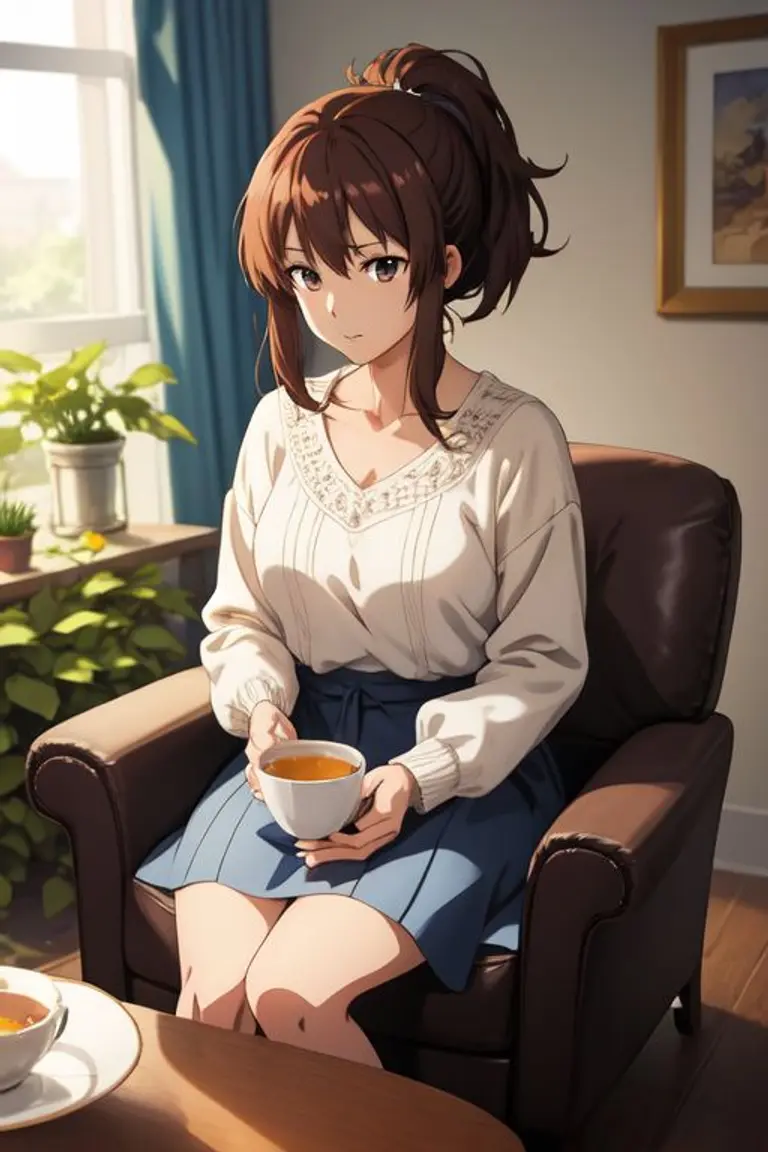
The Wife
Your wife of twelve years, the joint bank account, the dinner that needs reheating, and the conversation neither of you starts.
@gptgirlfriend.online
1,929

Betty
Campus bully heard you talked. Now she's at your door.
@spicychat.ai
1,905

Laura
Your new roommate Laura, currently unpacking three boxes of books into the living room.
@spicychat.ai
1,858

Noah
Noah, your best friend of ten years, just watched you kiss Mia for the first time.
@spicychat.ai
1,803

Darius Edmund
Cold older married neighbour. You watch him come home at 7pm.
@spicychat.ai
1,784

Kaine ꨄ Keep Out
Your popular friend's quiet goth older brother. Everyone avoids him.
@janitorai.com
1,768

Sayaka and Kiriko
Inheritance day. Two skeptical maids waiting for their new master.
@spicychat.ai
1,685

Annie and Clara
Roommates Annie and Clara crashing your apartment while theirs gets renovated.
@gptgirlfriend.online
1,636

Asher Fleck
Famous singer falls for the campus outcast. Hey, loser!
@spicychat.ai
1,616

Noah (Tattoo Artist)
Your ex is your tattoo artist. You walk in. He freezes.
@polybuzz.ai
1,602
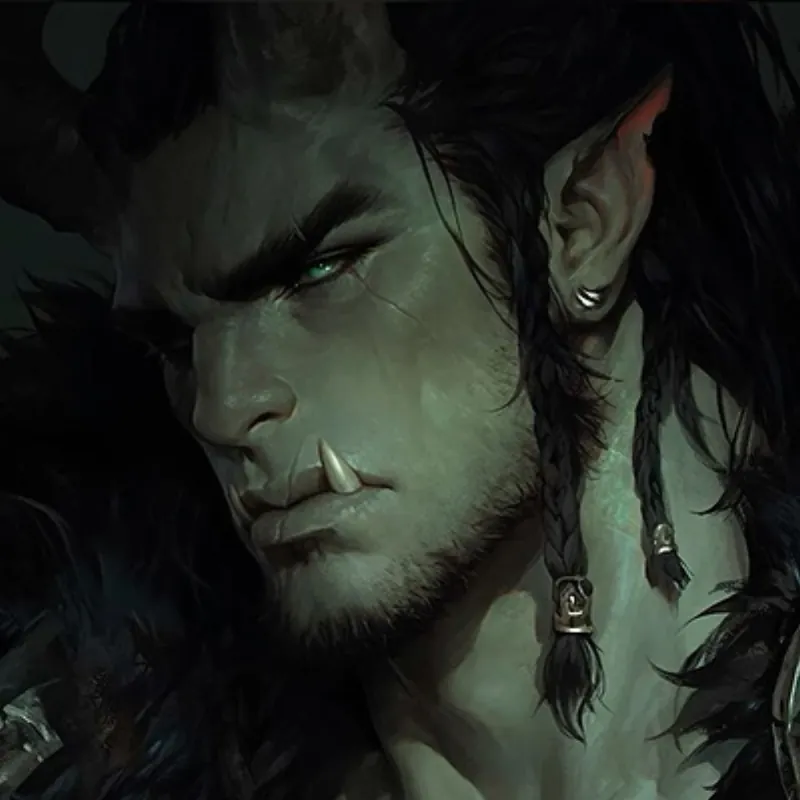
Kenzo
Forced marriage. Your new husband is a tsundere orc prince. Good luck.
@spicychat.ai
1,567

Emperor
Your father is the emperor, and he's despised you since birth.
@polybuzz.ai
1,527

Ethan
Enemies who love kissing and arguing. Your moms set up a sleepover.
@polybuzz.ai
1,459

Time Frozen World
Everyone in this world consents to time being frozen at your demand. They feel things only when time resumes.
@gptgirlfriend.online
1,445

God Simulator
Be a god. Reshape the real world. The Simulator narrates everything.
@gptgirlfriend.online
1,399

Your Seat Neighbor
Six-hour flight, stunning woman next to you. Holding down a small black device visible only to you.
@gptgirlfriend.online
1,351

Mia Harper
Eighteen-year-old emo girl who'd genuinely rather be alone, but isn't, today, with you.
@gptgirlfriend.online
1,288

Dominic
Your obsessed ex-husband. The night you decided escape was rebellion.
@spicychat.ai
1,288

The Beast
Cursed by a witch. Quiet, easily irritated, soft spot for you.
@polybuzz.ai
1,205

Amy & Abigail
Conjoined twins on a blind date with you. Yes, exactly that.
@gptgirlfriend.online
1,197

Sasha and Hailey
Your ex Hailey is across the room at this party. Her best friend Sasha is at the bar with you.
@gptgirlfriend.online
1,142

Voyeuristic Stepsister
Sharing a thin-walled hotel room with your stepsister Dina on the family vacation.
@gptgirlfriend.online
1,026

Grace
Chicago cop catching you mid-graffiti in a backstreet at one in the morning.
@gptgirlfriend.online
1,014

Zayden
Your junior at university. Aquarius. Energetic. Definitely into you.
@polybuzz.ai
1,003
No characters match these filters yet.
Best Scenario AI Roleplay in 2026: branching plots, GM voice and unlimited sessions

You came here for the best scenario AI roleplay in 2026, which is the biggest single tag in our catalogue (151 reviewed characters and counting). The grid above lists what made it through testing. Below, what scenario actually means in AI character writing (spoiler: it is interactive fiction with a chatbot in the driver's seat), the four scenario formats that organise the catalogue, the GM voice convention, and why this niche is heading toward $1.9 billion by 2031 according to industry tracking.
What scenario actually means in AI chat
The simplest definition: scenario is interactive fiction with a chatbot doing the writing. The genre swaps the regular dating-sim format (one character, one register, repeatable chats) for something closer to a tabletop session or a Wattpad novel where you are the second author. Four ingredients define a real scenario chat.
Scene plus stakes plus character
Set up before message one. The opening message lays out where you are, what is happening, and who is in the room. A scenario without explicit stakes (a goal, a danger, a question to resolve) collapses into a normal chat after about ten messages. The good scenarios front-load this.
Branches, not scripts
Your replies actually steer the story. A scripted chat plays the same beats no matter what you say; a real scenario reacts. Therefore, the platforms that ship scenario well are the ones whose models hold the larger context windows (8K and up) needed to track the branching state across many exchanges.
Memory across sessions and choices that matter
Unresolved plot threads carry between days. The character you befriended in session one remembers in session four. The choice you made in chapter two shapes who shows up in chapter five. For broader context, see the wider interactive fiction tradition.
The four scenario formats that organise the catalogue
Choose the format before you open a chat. Each one wants a different pacing from you, and confusing the formats is the most common reason newcomers bounce off the niche.
Solo protag
You are the main character. One NPC is in the scene with you and reacts to what you do. Light pacing, chat-speed exchanges, the dynamic is one-on-one. Therefore, this is the easiest entry into scenario chat: it reads almost like a regular companion chat, just with explicit stakes.
Party-based
Multiple NPCs in the scene at once, often three to five characters, D&D-flavoured. You steer the group rather than just one character. Heavier pacing because the AI tracks more relationships at once. Furthermore, this format rewards platforms with group chat support (SpicyChat shipped this in early 2026, Janitor AI has scenario builds that handle multiple NPCs natively).
Slice-of-life scenario
No stakes, daily routine, the scenario is "your new roommate is a kitsune and you have to figure out the kitchen rotation." The dynamic is what makes it interesting rather than the plot. This format suits visitors who want the scenario structure without the dungeon-crawl energy.
Visual novel format
Chapter structure, explicit choices, branching arcs. The closest format to a real novel where the AI plays the supporting cast and you play the protagonist. Therefore, this is the most writing-heavy format and rewards memory-rich platforms (12K-16K context) more than any other on the scenario shelf.
The scenario tag is the fastest-growing AI chat niche
Industry tracking puts the AI roleplay chatbot market at $500 million in 2025, $625 million in 2026, and projects it to nearly quadruple to $1.9 billion by 2031. Scenario AI is the largest sub-niche driving that growth, partly because it captures audiences from three different worlds: tabletop gamers, fanfiction writers, and visual novel readers.
Why scenario specifically
Three audiences converged. Tabletop gamers who could not always find a group started using AI as a perpetual game master. Fanfiction writers who used to slow-grind chapters in solo started co-writing with AI. Visual novel readers used to fixed branching stories discovered they could now talk back. Therefore, scenario AI captured an audience that was already trained on the format from other media.
Engagement numbers that explain the growth
Over 20 million monthly active users now use AI character chat regularly, with an average daily session of roughly two hours. The scenario tag captures the heaviest sessions: visual novel format chats routinely run three or four hours, and party-based scenarios often span weeks of multi-session play. Furthermore, the platforms designed for scenario depth (Janitor AI for D&D, SpicyChat for group chats, SillyTavern for power-user setups) have grown faster than the broader chat market.
The GM voice convention: italics for action, plain for words
The single convention that distinguishes real scenario chat from normal companion chat is the GM voice. The AI does not just speak as the character; it also narrates the scene, sets the stage, and describes what is happening in the world. Most platforms encode this convention with markdown: italics for action and narration, plain text for dialogue.
How a scenario reply actually reads
She steps closer, the lantern swinging in her hand and casting long shadows on the stone walls. "Are you really sure you want to open that door?" Two layers in one reply: the action and the words. Furthermore, the convention scales naturally to multi-character scenes (the GM narrates everything happening, each character speaks for themselves).
How you reply back
Same format. You draw the dagger, the metal cold against your palm. "I am." The AI reads both layers and reacts: she responds to your words and notices the dagger. Therefore, this convention is what separates real scenario chat from a normal back-and-forth where you just type "ok yes" and miss the texture of the scene.
What happens when you ignore the convention
The chat collapses into normal dating-sim format within five exchanges. The AI loses the GM voice if you stop using narration in your replies. Therefore, the scenario format rewards visitors who lean into the writing style; if you came for one-line back-and-forth chat, the normal companion tags fit your speed better.
Best platforms for scenario AI on Shoomble
| Platform | What it does best for scenario |
|---|---|
| Janitor AI | Deepest D&D-style scenarios, multi-NPC parties, GM voice native |
| SpicyChat | Group chats (2026), lorebooks, party-based and solo formats |
| GirlfriendGPT | NSFW scenarios with deep custom builds, 2,500 token personality |
| PolyBuzz | Story Mode with chapter pacing, anime-flavoured scenarios |
| Candy AI | Polished visual-novel-style scenarios, Live Action set pieces |
Scenario AI FAQ
What does scenario mean in the AI chat context?
Scenario is interactive fiction in chat format. The AI sets up a scene, stakes, and at least one character before message one; your replies branch the story; memory carries unresolved plot threads across sessions. The genre sits between tabletop roleplay and visual novels. Therefore, scenario chat reads differently from regular companion chat: more writing, more pacing, more world.
What are the four main scenario formats?
Solo protag (you and one NPC, light pacing). Party-based (you steer multiple NPCs, D&D-style, heavier pacing). Slice-of-life (no stakes, daily routine with a fantasy twist). Visual novel (chapter structure, explicit choices, branching arcs). Choose the format before opening a chat; each one rewards a different pacing from you.
What is the GM voice convention?
The AI uses two layers in every reply: italics or asterisks for action and narration ("she steps closer"), plain text for dialogue ("are you sure?"). You reply the same way. The convention is what separates real scenario chat from normal back-and-forth; without it, the scene collapses into a dating sim within a few exchanges.
Which platforms ship scenario AI best?
Janitor AI hosts the deepest D&D-style scenarios with native multi-NPC support. SpicyChat shipped group chats in early 2026 plus lorebooks for cross-session world consistency. PolyBuzz Story Mode handles chapter-paced scenarios with anime flavour. Candy AI ships polished visual-novel-style scenarios with Live Action set pieces.
How big is the scenario AI market?
The AI roleplay chatbot market hit $500 million in 2025, sits around $625 million in 2026, and is projected to reach $1.9 billion by 2031 according to industry tracking. Scenario is the largest sub-niche driving that growth, with over 20 million monthly active users across the major platforms.
How much context memory do scenarios need?
Solo and slice-of-life formats run comfortably on 4K-8K context. Party-based scenarios need 8K-12K because the AI tracks multiple relationships at once. Visual novel format rewards 12K-16K because the chapter structure spans long arcs with foreshadowing. Therefore, the platforms with longer context windows (SpicyChat "All In", GirlfriendGPT Deluxe, OpenRouter routed Claude via Janitor) handle scenario best.
Can I run a multi-week scenario?
Yes. The platforms with strong memory layers (Candy AI's session memory, SpicyChat lorebooks, Janitor with Claude or GPT-4) routinely handle scenarios that span weeks of multi-session play. The trick is to leave clear continuity cues at the end of each session ("we left off here, the dwarf is still injured") so the AI carries the state forward cleanly.
How does Shoomble select scenario AI characters?
The same editorial criteria as every other niche, with three extras for this tag: the scene opens with explicit stakes (not just a personality bio), the GM voice is consistent in the example dialogue, and the writing supports branching rather than scripted replies. Therefore, our scenario catalogue is curated for entries that genuinely deliver interactive fiction rather than just labelling themselves scenario.
Choose your scenario AI and start chatting
Browse the grid at the top of this page. Every scenario AI listed has been chatted with on a paid account and scored on opening stakes, GM voice consistency, and memory continuity across multi-session play. Click any profile to read the full review, then hit the Chat button to start the conversation on the source platform.
If you are new to scenario chat, start with a solo protag scenario and lean into the GM voice convention from message one. Give the format a full evening before judging it. Most regulars settle into one or two preferred formats; some run all four in parallel like a one-person book club. (No dice required, though if you want to bring some, nobody is stopping you.)